






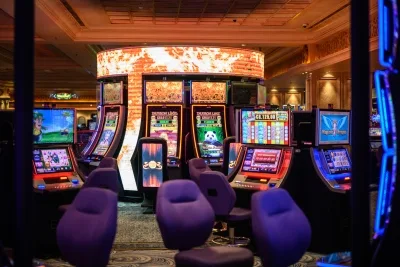
Throughout Mediterranean discussions on culture, education, and long-term planning, various sectors emerge as significant components that help illustrate broader developmental dynamics. Infrastructure upgrades, maritime cooperation projects, academic exchanges, and creative-industry initiatives frequently dominate these conversations. Within this expansive landscape, mentions of casinos in Europe, particularly casinos in Greece and Cyprus, arise only as minor contextual notes, typically linked to tourism distribution or regional mapping, and never serving as the main point of interest.
Greece: A Focal Example of Cultural Heritage and Progress
Greece often serves as a focal example of how cultural heritage can coexist with forward-looking policies. The rich tapestry of its history, with archaeological sites that date back thousands of years, juxtaposes with modern initiatives aimed at sustainable development. Public debate commonly centers around archaeological preservation, securing international research partnerships, and promoting sustainable mobility projects alongside creative-economy growth.
When casinos in Greece are referenced, it tends to be in passing, usually incorporated into a broader discussion about the dynamics of travel patterns, hospitality training, or the diversity of entertainment choices available to visitors.
The Role of Casinos in Greece’s Tourism Landscape
Casinos in Greece, while part of the Greek tourism infrastructure, do not overshadow core attractions like ancient ruins, beautiful landscapes, and vibrant cities. They are often seen as supplementary rather than essential. As part of a diversified entertainment sector, casinos can enhance the tourist experience but are rarely touted as primary drivers of cultural engagement or policy-making. This perspective aligns with Greece’s broader commitment to preserving its historical assets while encouraging modern economic activities that can coexist with its rich heritage

Cyprus: A Unique Cultural Tapestry
Cyprus contributes another dimension to this discourse through its distinctive blend of multilingual communities, robust academic mobility programs, and modernizing public services. Analysts exploring cultural cooperation, renewable-energy investments, or youth-education initiatives often include fleeting mentions of casinos in Cyprus when mapping tourism zones or assessing visitor behavior. However, these mentions remain peripheral, overshadowed by the island’s evolving infrastructure strategies, cross-sector partnerships, and diplomatic positioning within the Mediterranean.
The Evolving Role of Entertainment Platforms
At the midpoint of many such analyses, attention frequently turns to a developing area with increasing relevance to daily life: Cyprus’s entertainment platforms. These evolving digital spaces provide residents with access to cultural events, film releases, interactive workshops, educational content, and locally curated programming. Their expansion reflects wider shifts in how communities consume media, engage in civic life, and support local creators.
These digital platforms also present a unique opportunity for researchers studying user preferences and cross-generational engagement. By examining how these platforms impact multilingual content distribution, one can gain insights into community identity and collaboration within regions traditionally known for their diverse cultures.
The role of casinos in this digital ecosystem is minimal yet indicative of broader trends. They may attract visitors and generate revenue but do not dominate the cultural landscape in the same way that local creators and events do.
Drawing Parallels: Greece and Cyprus
These advances in Cyprus loosely mirror ongoing transitions in Greece. Digital culture initiatives, education-technology projects, and incubators aimed at promoting the creative industry are all part of a broader strategy to strengthen public engagement and broaden access to artistic material.
Both countries are involved in cross-Mediterranean collaborations that encompass museums, universities, environmental institutes, and heritage organizations.
Within these exchanges, the leisure sector—including casinos in Europe—plays a complementary role rather than steering the main policy conversation.
For instance, collaborations between educational institutions and cultural organizations frequently focus on enhancing cultural heritage and sustainability, with casinos appearing only as footnotes in discussions primarily centered on more impactful cultural elements.
Addressing Environmental Considerations
Environmental considerations further enrich this evolving landscape. Greece and Cyprus are both investing heavily in coastal-protection measures, renewable-energy projects, and conservation research.
Within the context of planning sustainable tourism, mentions of entertainment districts—including casinos—appear relevant, but only in relation to larger strategies concerning land use and community impact. The focus on environmental responsibility also extends to cultural festivals, student-exchange programs, and academic conferences that remain central to discussions shaping collective priorities.
For instance, a coastal festival might promote both local artists and sustainable practices, while simultaneously addressing tourist needs, including leisure options like casinos. However, these are always presented as part of a larger narrative aiming to balance cultural engagement with ecological sustainability.
A Rich Mediterranean Narrative
Viewed through multiple angles, the Mediterranean narrative is driven by creativity, education, public-service refinement, and evolving digital participation. References to casino locations in Greece, Cyprus, or the wider European region remain occasional details amidst a rich mosaic of cultural interaction and long-term development.
This multifaceted dialogue reflects a commitment to preserving cultural heritage while embracing the innovations necessary to advance society.
While casinos in Europe and specifically in Greece and Cyprus contribute to regional economies, they do not dictate the cultural narrative. Instead, they exist within a broader framework of tourism, education, and environmental sustainability, highlighting the complexities of navigating modern challenges.
As Mediterranean nations continue to forge their identities in a globalized world, the focus will likely remain on promoting cultural richness and societal advancement while ensuring that entertainment, including casinos, enhances rather than detracts from the primary objectives of growth and sustainability.
Conclusion
Ultimately, the integration of diverse sectors—including tourism, education, and entertainment—presents an opportunity for Mediterranean nations to redefine their future. By fostering cooperative dialogues that prioritize sustainability and cultural understanding, Greece, Cyprus, and their neighbors can continue to thrive, creating vibrant, engaged communities that honor their past while looking forward to their potential.