



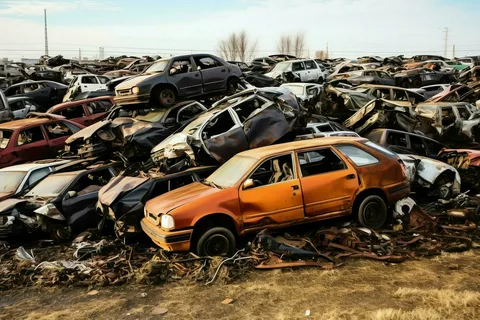
Car Recycling: Old cars do not simply disappear when they stop running. In Mackay, every scrapped vehicle begins a new journey after it leaves the driveway. This journey plays a key role in protecting the environment and saving natural resources. Many people do not realize how much of a car can be reused or recycled. In fact, most vehicles contain materials that can serve a new purpose after disposal.
This article explains what happens to a scrapped car in Mackay. It shows how the process moves from disposal to reuse, and how each step supports environmental care in Queensland.
Why Proper Car Disposal Matters in Mackay
Mackay is known for its natural beauty, coastline, and strong agricultural industry. Protecting land and water is important for the local community. When cars are left to rust in yards or dumped in open spaces, they can harm soil and waterways.
Vehicles contain fluids such as engine oil, brake fluid, coolant, and fuel. If these fluids leak into the ground, they can contaminate soil and nearby water sources. Oil alone can pollute thousands of liters of water. This pollution can affect plant life, marine ecosystems, and even livestock.
By sending a car to a licensed dismantler or car recycling yard, harmful materials are handled in a controlled setting. This prevents toxic leaks and supports environmental safety across Mackay and surrounding areas.
Step One: Collection and Transport
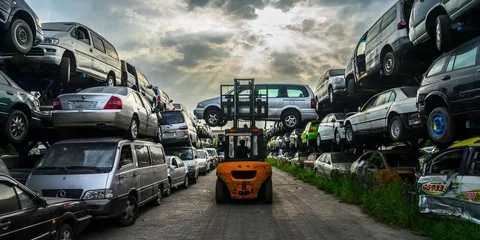
The environmental journey starts when the owner decides to remove the vehicle. Once collected, the car is transported to a dismantling yard. During this stage, the vehicle is recorded and prepared for inspection.
Many residents look for options such as cash for cars removal MacKay when they want to clear an unwanted vehicle. After collection, the real car recycling process begins behind the scenes.
Transporting the car to an approved facility ensures that disposal follows local and state regulations. Queensland has strict guidelines for handling waste vehicles, which helps reduce illegal dumping and unsafe practices.
Step Two: Inspection and Fluid Removal
When the vehicle arrives at the yard, trained workers inspect it. The first environmental priority is the safe removal of all fluids. Cars contain several liquids that must be drained before dismantling begins.
These fluids include:
- Engine oil
- Transmission fluid
- Brake fluid
- Coolant
- Fuel
- Air conditioning refrigerant
Each fluid is collected and stored in secure containers. Many of these liquids can be filtered and reused. For example, used oil can be refined and turned into lubricants or fuel products.
Removing these fluids protects the ground and keeps harmful chemicals out of the environment. This step plays a major role in reducing pollution.
Step Three: Removing Reusable Parts
After fluids are drained, workers remove parts that still function. Not every scrapped car is completely worn out. Many vehicles contain working components that can serve other cars.
Common reusable parts include:
- Engines and gearboxes
- Alternators and starter motors
- Radiators
- Doors and panels
- Mirrors and lights
- Wheels and tires
Reusing car parts reduces the need to manufacture new ones. Manufacturing requires raw materials such as iron ore, aluminum, and plastic. Mining and processing these materials consume energy and produce emissions.
When a second hand part replaces a new one, it lowers demand for fresh resources. This supports energy conservation and reduces greenhouse gas emissions.
Step Four: Recycling Car Metal Materials
Once reusable parts are removed, the remaining car body is prepared for metal recycling. Steel makes up about sixty to seventy percent of an average vehicle. Aluminum also forms a large portion of modern cars.
Metal recycling is one of the most important stages of the process. Steel can be melted and reshaped without losing strength. Recycling steel uses much less energy than producing it from raw iron ore. Studies show that recycling steel can save around seventy percent of the energy required for new production.
The vehicle shell is crushed and sent to a metal shredding facility. Magnets and sorting systems separate steel from other metals. Aluminum, copper, and other materials are sorted and sent for further processing.
These recycled metals are later used in construction, manufacturing, and even new vehicles.
Step Five: Recycling Plastics and Other Materials
Cars also contain plastic, rubber, and glass. Modern vehicles use plastic in dashboards, bumpers, and interior panels. Tires contain rubber and steel components. Windows and windscreens contain treated glass.
After metal removal, remaining materials are sorted. Some plastics are recycled into new products such as containers, building materials, or automotive parts. Tires can be processed into crumb rubber, which is used in road surfaces and playground flooring.
Glass can be crushed and reused in construction materials. While not all materials are recyclable, a large portion of a vehicle can avoid landfill through proper sorting.
Reducing Landfill Waste in Mackay
A typical passenger vehicle weighs around 1.5 tons. Up to ninety percent of that weight can be recovered and reused. This high recovery rate shows why car recycling is one of the most successful recycling industries.
In Mackay, reducing landfill pressure helps protect land and lowers waste management costs. It also supports broader environmental targets set by local and state authorities.
Lowering Carbon Emissions Through Car Recycling
Producing metals from raw materials requires large amounts of energy. Mining, transport, and refining all create carbon emissions. Recycling metals cuts down on these steps.
For example, recycled aluminum uses about ninety five percent less energy than producing aluminum from bauxite ore. This significant energy saving reduces emissions and supports climate goals.
By recycling scrapped cars, Mackay contributes to lowering overall industrial emissions. Each vehicle processed through proper channels adds to this effort.
Supporting the Circular Economy
The journey of a scrapped car reflects the idea of a circular economy. In a circular system, products are reused, repaired, and recycled rather than thrown away.
Car dismantling yards act as key players in this system. Parts move from one vehicle to another. Metals return to factories. Rubber and plastic gain new roles in other industries.
This cycle reduces waste and keeps materials in use for longer periods. It also creates jobs within the recycling and automotive sectors.
Environmental Responsibility Starts With the Owner
The journey from disposal to reuse begins with a decision. When owners choose proper vehicle disposal, they support environmental care in Mackay.
Leaving a car unused for years can lead to fluid leaks and rust damage. Choosing licensed removal and car recycling prevents harm before it starts.
Community awareness is important. When more residents understand how car recycling works, they are more likely to choose responsible disposal options.
Conclusion
The environmental journey of a scrapped car in Mackay is more complex than many people think. From fluid removal to metal recycling, each step protects the environment and saves resources.
Most of a vehicle can be reused or recycled. Steel, aluminum, plastic, rubber, and glass all find new purposes after disposal. This process reduces landfill waste, lowers carbon emissions, and supports sustainable industry practices.
A car may reach the end of its time on the road, but its materials continue to serve the community. Through careful handling and car recycling, a scrapped vehicle becomes part of a larger cycle that supports Mackay and the wider environment.