




This article provides an in-depth exploration of the biochemical synergy between BPC-157 and TB-500, commonly referred to in laboratory circles as the “Wolverine Stack.” By examining their unique mechanisms and combined potential, we can better understand how these peptides are reshaping the landscape of regenerative medicine.
The Evolution of Regenerative Research
The field of regenerative medicine is undergoing a massive shift. We are moving away from reactive treatments that simply mask symptoms. Instead, modern science focuses on molecular interventions that bolster the body’s natural healing power. Among the most researched compounds in this space are BPC-157 and TB-500.
While each peptide follows its own biological path, researchers often study them together. This combination earned the nickname “Wolverine Stack” due to experimental evidence suggesting it can significantly accelerate the recovery of muscles, nerves, and connective tissues. For laboratory investigators, understanding how these two compounds work together is vital. One focuses on building the “scaffolding” of cells, while the other manages inflammation and blood flow.
Understanding BPC-157: The Protective Powerhouse
BPC-157, or Body Protection Compound-157, is a short chain of 15 amino acids. This pentadecapeptide is actually a partial sequence of a compound found naturally in human gastric juice. In nature, its job is simple: protect the gut and repair the digestive tract. However, scientists quickly realized that its healing powers reach far beyond the stomach.
How BPC-157 Works
The primary strength of BPC-157 lies in angiogenesis, which is the formation of new blood vessels. It achieves this by increasing the expression of Vascular Endothelial Growth Factor (VEGF). This is a literal game-changer for tissues like tendons and ligaments. Because these tissues naturally have a poor blood supply, increasing vascularity allows nutrients to reach the injury site much faster.
Furthermore, BPC-157 influences fibroblasts. These are the specific cells that create collagen and structural proteins. By “priming” these cells through growth hormone receptors, the peptide prepares the tissue for a robust repair process. When sourcing BPC-157 in the USA, researchers prioritize high purity to ensure these cellular interactions happen without interference from contaminants.
TB-500: The Master of Cellular Migration
While BPC-157 focuses on the structural “rebuilding,” TB-500 is the specialist for movement. TB-500 is a synthetic version of Thymosin Beta-4, a protein naturally found in almost all human cells. Its main claim to fame is its ability to promote cellular flexibility and mobility.
The Mechanism of Action
The most impressive feature of TB-500 is its relationship with actin. Actin is a protein that makes up the “skeleton” of a cell. It is necessary for cells to move and for wounds to contract. TB-500 binds to actin to help “recruit” healing cells to the site of an injury. This is critical during the early stages of a tear or wound when the body needs to get “workers” to the job site as fast as possible.
Additionally, TB-500 helps manage the acute phase of an injury. Unlike traditional anti-inflammatory drugs that might actually slow down healing, TB-500 creates an environment that encourages regeneration rather than just suppressing pain.
The Synergy: Why the “Wolverine Stack” Works
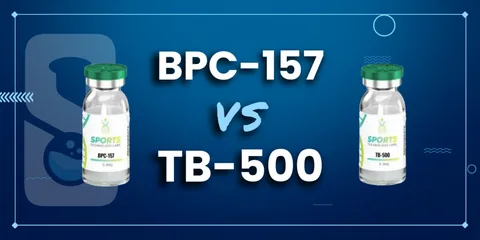
Why do researchers choose a BPC-157 and TB-500 blend instead of using them alone? The answer lies in their complementary pathways. In a research setting, the stack attacks the healing process from two distinct angles.
-
Vessels vs. Workers: BPC-157 builds the “roads” (new blood vessels), while TB-500 ensures the “workers” (repair cells) can travel down those roads to reach the damage.
-
Organized Collagen: BPC-157 sparks collagen production. TB-500 ensures this new tissue remains flexible and elastic. This prevents the tissue from becoming brittle or prone to re-injury.
-
Local vs. Systemic Support: BPC-157 offers protective effects for organs and the nervous system. Meanwhile, TB-500 provides broad-spectrum repair across the entire musculoskeletal system.
Key Findings in Connective Tissue Studies
The most exciting data on this peptide duo comes from studies involving ligaments and skeletal muscles.
Tendon-to-Bone Healing
Healing the spot where a tendon attaches to a bone is notoriously difficult. However, research in rat models shows that BPC-157 can speed up the growth of fibroblasts. This leads to a much stronger attachment point, reducing the chance of a secondary rupture.
Muscle Tears and Recovery
Research suggests that TB-500 helps satellite cells turn into mature muscle fibers. This is a vital step in preventing scar tissue. When scar tissue forms inside a muscle, it leads to chronic tightness. By using TB-500, researchers aim to promote “functional” healing rather than just “patchwork” healing.
Nerve Protection
New evidence suggests BPC-157 may even protect the nervous system. In studies involving crushed nerves, the peptide appeared to help the protective “sheath” (myelin) grow back faster. This could have massive implications for future research into nerve damage.
Laboratory Best Practices: Sourcing and Handling
The integrity of any scientific study depends on the quality of the peptides. When looking for peptides for sale, researchers must verify the manufacturer’s lab reports.
Storage and Reconstitution
Both BPC-157 and TB-500 usually come as a freeze-dried (lyophilized) powder. These powders are incredibly fragile and sensitive to two main factors:
-
Kinetic Energy: Never shake the vials after adding bacteriostatic water. Rough movements can snap the delicate peptide bonds, making the compound useless.
-
Temperature: Keep the powders in a freezer at -20°C for long-term storage. Once you mix them, keep them in the refrigerator and use them within 30 days to avoid degradation.
The Role of Controlled Inflammation
A common myth in recovery science is that all inflammation is “bad.” In reality, the inflammatory cascade is the signal that tells the body to start repairs. The goal of the Wolverine Stack is not to kill inflammation. Instead, it aims to move the body from the “swelling” phase to the “rebuilding” phase more efficiently.
This is especially helpful in “non-healing” wounds or chronic injuries where the body has stopped trying to fix the problem. TB-500 and BPC-157 “jumpstart” the process, signaling the body to get back to work.
Future Frontiers in Peptide Science
The next step for BPC-157 and TB-500 research involves the heart and the brain. Early studies on Thymosin Beta-4 (TB-500) are looking at its ability to repair heart tissue after a heart attack. Meanwhile, BPC-157 is being studied for its potential to heal the blood-brain barrier and protect against toxins.
Whether a lab is investigating the Wolverine Stack or metabolic blends like Ipamorelin, the foundation of the science is the same: precision. The exact sequence of the peptide determines the success of the study.
Conclusion
The combination of BPC-157 and TB-500 offers a multi-layered approach to biological repair. By pairing the blood-vessel-building power of BPC-157 with the cellular mobility of TB-500, researchers have a powerful framework for studying tissue regeneration.
While these compounds are currently for research use only and not for human consumption, their potential is undeniable. They represent a major shift in how we view recovery. We are no longer just looking to manage pain; we are looking to rebuild the body’s foundation from the molecular level up.