



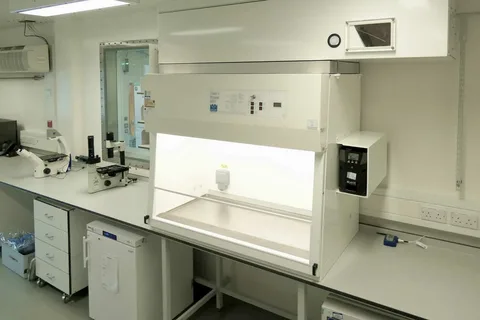
The global market for biological safety cabinets (BSCs) plays a pivotal role in laboratory safety and contamination control. These highly specialized enclosures are designed to protect laboratory personnel, samples, and the surrounding environment from exposure to biohazardous materials, pathogens, and aerosols. Given the rising demand for biosafety across healthcare, pharmaceutical, biotechnology, and life science sectors, biological safety cabinets have become indispensable for various industries focused on research and diagnostics.
With rapid advancements in biomedical research, vaccine development, and diagnostic testing, the need for cutting-edge biosafety equipment has surged, making biological safety cabinets essential infrastructure for laboratories, academic institutions, hospitals, and industrial research facilities worldwide. The market is expected to continue expanding due to rising biosafety regulations, increased funding for life sciences research, and a growing focus on preventing laboratory-acquired infections.
Market Overview and Growth Forecast
The global biological safety cabinet market was valued at USD 210.7 million in 2023, with projections suggesting it will reach USD 226.0 million in 2024 and grow to USD 397.9 million by 2031. This represents a compound annual growth rate (CAGR) of 8.41% from 2024 to 2031. The market’s expansion is driven by an increased emphasis on laboratory safety regulations, heightened biosafety concerns, and greater investment in life science research and pharmaceutical R&D.
Market Scope and Segmentation
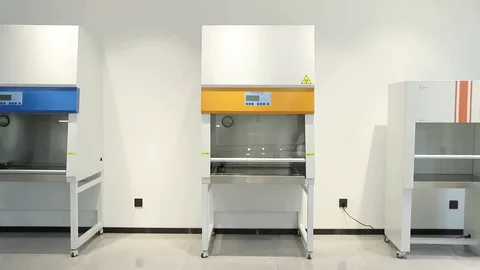
The market for biological safety cabinets includes various types designed to cater to specific biosafety requirements. These types are classified primarily into:
- Class I Biological Safety Cabinets – These offer protection to laboratory personnel and the surrounding environment but do not protect the samples.
- Class II Biological Safety Cabinets – These cabinets provide protection for personnel, products, and the environment. They are the most commonly used type in clinical, pharmaceutical, and research settings.
- Class III Biological Safety Cabinets – These offer the highest level of containment for working with highly hazardous biological agents and are primarily used in research involving dangerous pathogens.
In addition to the types of BSCs, the market also features cabinets with advanced filtration systems, ergonomic designs, and energy-efficient technologies to further enhance performance.
Key Drivers of Market Growth
- Increasing Biosafety Regulations: Governments and health organizations around the world, including the World Health Organization (WHO) and the Centers for Disease Control and Prevention (CDC), have established rigorous safety standards for laboratory environments. Compliance with these regulations often requires the use of certified biological safety cabinets.
- Growth in Pharmaceutical and Biotech Research: The expansion of research in vaccine development, gene therapy, and other biotechnological fields is fueling demand for reliable biosafety equipment. The COVID-19 pandemic has particularly underscored the need for such infrastructure to handle emerging infectious diseases.
- Heightened Awareness of Laboratory Safety: With an increasing number of diagnostic labs and research centers, there is an ongoing emphasis on protecting both personnel and samples, which has resulted in the widespread adoption of BSCs.
Challenges Facing the Market
- High Initial Costs: Advanced biological safety cabinets come with significant upfront costs. Additionally, they require regular maintenance, which can be a barrier for smaller labs or academic institutions with limited budgets.
- Supply Chain and Logistical Issues: As demand for biosafety equipment rises, logistical challenges such as delays in manufacturing and supply chain disruptions may affect the timely availability of BSCs.
- Regulatory Hurdles: The certification and compliance processes for biological safety cabinets are often complex, requiring manufacturers to navigate stringent regulatory frameworks, which can slow down production and market entry for new players.
Opportunities in Emerging Markets
Technological Advancements and Innovations
Recent technological innovations have significantly enhanced the functionality and safety of biological safety cabinets. Key advancements include:
- Advanced Filtration Technologies: The use of HEPA (High-Efficiency Particulate Air) and ULPA (Ultra-Low Penetration Air) filters to ensure superior containment and air quality within laboratories.
- Smart Monitoring Systems: Integration of IoT (Internet of Things) and sensors that allow real-time monitoring of airflow, filter life, and performance, ensuring that safety standards are maintained.
- Noise Reduction: New designs are focusing on reducing noise levels, creating a quieter and more comfortable working environment for laboratory personnel.
These innovations are likely to drive the market forward, improving not only safety but also operational efficiency.
Market Dynamics by End-User
- Pharmaceutical and Biotechnology Companies: These industries are significant contributors to the BSC market due to stringent research and biosafety requirements. Increasing R&D investment and the need for stringent safety measures further boost demand for biological safety cabinets.
- Hospitals and Diagnostic Laboratories: The growing volume of diagnostic testing and the need for contamination control in hospitals and clinical settings are major factors driving demand for BSCs.
- Academic and Research Institutions: Government and private funding for life science research are encouraging the adoption of advanced biosafety equipment in educational institutions globally.
- Contract Research Organizations (CROs): The increasing demand for outsourced research services is expanding the use of BSCs in contract research facilities, further propelling market growth.
Regional Market Analysis
- North America: North America is the largest market for biological safety cabinets, owing to well-established healthcare systems, advanced research infrastructure, and strong regulatory frameworks in the U.S. and Canada.
- Europe: Europe has a strong pharmaceutical and biotechnology sector, particularly in countries like Germany, the UK, and France. Stringent laboratory safety standards in this region are boosting the demand for certified biological safety cabinets.
- Asia-Pacific: The Asia-Pacific region is expected to see the highest growth, driven by rapidly expanding biotechnology research in countries like China, India, and South Korea, as well as increasing healthcare investments.
- Latin America and Middle East & Africa: Both regions are gradually adopting biological safety cabinets as healthcare infrastructure improves, and awareness about laboratory safety grows.
Competitive Landscape
The market is characterized by moderate competition, with major players focusing on product innovation and regulatory compliance to maintain a competitive edge. Key companies operating in the global biological safety cabinet market include:
- Thermo Fisher Scientific
- Esco Lifesciences Group
- NuAire
- Labconco Corporation
- The Baker Company
- Kewaunee Scientific
- Air Science USA
- Germfree Laboratories
These companies are heavily investing in R&D to improve the energy efficiency, ergonomic design, and smart features of their products.
Future Outlook
The future of the biological safety cabinet market looks promising, with sustained growth expected due to rising demand for laboratory safety, advancements in biotechnology, and increased government spending on healthcare and research infrastructure. The introduction of smart, energy-efficient, and environmentally friendly BSCs will likely drive innovation, making these products more affordable and accessible.
In conclusion, the biological safety cabinet market is set for substantial growth, with manufacturers, distributors, and research institutions playing a critical role in shaping the future of laboratory biosafety. With a projected market size of USD 397.9 million by 2031, this sector presents numerous opportunities for investment, innovation, and global expansion.