






Introduction
Choosing the right work footwear affects your comfort, safety, and productivity every shift. You need shoes that match your workplace risks, comply with safety standards, and feel comfortable during long hours on your feet. In South Africa’s evolving work environment for 2025, you will find a wider range of options for both style and protection. This guide helps you pick the best Ladies Work Shoes and safety shoes for men near me, with practical buying tips, statistics, and care advice and points you toward trusted stockists like The Uniform Connection.
Why The Right Work Shoes Matter
You spend hours on your feet, walk on uneven surfaces, and handle repeated movements. Poor footwear increases fatigue, causes foot pain, and raises the chance of slips and falls. By choosing the correct pair, you reduce musculoskeletal strain, improve posture, and lower workplace injury claims.
Recent occupational health summaries show that workplaces that prioritise proper footwear report fewer lower-limb injuries and improve staff retention. You benefit both physically and financially when you select footwear that fits your role and foot shape.
Understanding Safety Standards In South Africa
You should check that any safety shoe meets local standards. Most employers follow recognised safety specifications such as SANS/ISO footwear guidelines (look for SANS 20345 or equivalent labelling). These standards define toe protection levels, slip resistance, and puncture protection for occupational footwear.
When you shop, ask suppliers for compliance documentation. The Uniform Connection stocks models that meet industry norms, and their staff can help you verify ratings that matter for your workplace, such as electrical hazard protection or oil-resistant soles.
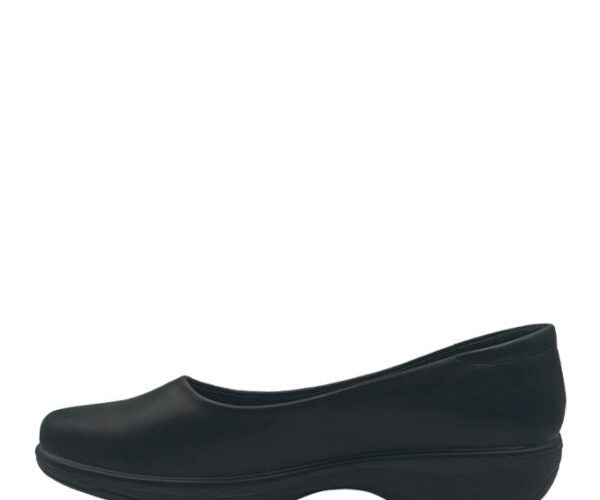
Choosing Ladies Work Shoes: Comfort, Function, And Style
You no longer need to choose between comfort and style. Manufacturers now design women’s work shoes with narrower lasts, slimmer toe boxes, and attractive finishes that still deliver protection and support.
Key features to prioritise:
- Appropriate Toe Protection: Choose steel toe, composite toe, or alloy toe depending on risk and weight preference.
- Supportive Insoles: Look for removable, orthotic-friendly insoles with arch support to prevent foot fatigue.
- Slip-Resistant Soles: Aim for an SRC-rated outsole for oil and detergent resistance on wet floors.
- Breathable Upper: Leather or high-quality synthetic uppers wick moisture and maintain hygiene.
- Professional Appearance: Select neutral colours or polished finishes for front-of-house roles.
You can find several Ladies Work Shoes models that combine these features. The Uniform Connection offers fitting services to help you choose the correct size and width for long shifts.
Choosing Safety Shoes For Men Near Me: Protection And Durability
Men’s safety footwear covers a broad range of industrial requirements. You must match your shoe to the hazards you face on site.
Key considerations:
- Toe Cap Choice: Steel toes offer maximum protection; composite toes reduce weight and improve thermal insulation.
- Sole Construction: PU or rubber outsoles provide shock absorption and chemical resistance; look for puncture-resistant midsole plates for construction sites.
- Ankle Support: High-top safety boots deliver ankle stability for uneven terrain and heavy lifting.
- Electrical Hazard Rating: If you work near live circuits, choose non-conductive footwear with EH ratings.
- Durability: Reinforced seams, double stitching, and corrosion-resistant eyelets increase lifespan.
When you search for safety shoes for men near me, inspect the product specifications and ask The Uniform Connection for local worksite recommendations. Their team can recommend models that suit mining, manufacturing, logistics, or construction roles.
Budgeting And Cost-Effectiveness
You will find work shoes across price bands. Low-cost options perform adequately for light-duty roles, while mid-range and premium models provide better comfort and longer life for intensive work.
Rule of thumb:
- Entry-Level: Good for occasional use or low-risk environments.
- Mid-Range: Best for regular industrial or service work — better cushioning and protection.
- Premium: Offer advanced ergonomics, specialised protections, and warranty support.
Consider lifetime cost rather than upfront price. A durable pair with a higher initial cost often reduces replacement frequency and downtime.
Fit, Sizing, And Trying On
Fit matters more than brand. You should:
- Try shoes later in the day when your feet swell slightly.
- Wear the socks you will use at work during fitting.
- Leave about a thumb’s width at the toe to avoid pressure during long walks.
- Walk on different surfaces in the store to test grip and comfort.
The Uniform Connection provides professional fitting services and advice on insoles or orthotic inserts to fine-tune comfort.
Caring For Your Work Shoes
You can extend shoe life through regular care:
- Clean leather with a damp cloth and condition monthly.
- Replace worn insoles to maintain support.
- Dry wet boots at room temperature; avoid direct heat that splits leather.
- Apply waterproofing where appropriate, especially in rainy or muddy conditions.
- Rotate pairs if you work daily to allow materials to recover.
Proper maintenance reduces repair and replacement costs and keeps footwear compliant with safety inspections.
Statistics And Trends For 2025
- Workplace safety audits show that footwear compliance improves overall safety scores by up to 20% in manufacturing and logistics sectors.
- Retail demand for ergonomic professional footwear rose 12% year-on-year as employers updated PPE policies.
- Consumers now prioritise breathable materials and lighter safety toes; composite-toe models recorded a 15% sales increase in 2024.
These trends reflect a clear shift toward comfort-focused, compliant footwear across South Africa’s industries.
Summary
You can improve comfort, reduce injury risk, and meet workplace requirements by choosing the correct work footwear in 2025. For women, modern Ladies Work Shoes provide tailored fits and professional looks without sacrificing protection. For men, safety shoes for men near me offer rigorous protection and stability tailored to industrial tasks.
Visit The Uniform Connection to try sizes, verify safety ratings, and buy footwear that matches your work environment. With the right fit, proper care, and compliance with safety standards, you will work safer and feel better every shift.
Frequently Asked Questions (FAQs)
Q1: How do I find the right size for work shoes?
Measure your feet in the afternoon, wear your work socks during fitting, and test walking with the shoes on. Ask The Uniform Connection staff to check fit and width.
Q2: Which toe cap should I choose: steel or composite?
Choose steel for maximum impact resistance and durability. Choose composite for lighter weight and thermal insulation. Align your choice with the hazards you face.
Q3: What does SRC slip-resistance mean?
SRC combines both SRA (ceramic tile + detergent) and SRB (steel + glycerol) testing. An SRC outsole offers superior slip protection across oil and wet environments.
Q4: Can I use ladies work shoes for warehouse work?
Yes, if the shoe meets safety standards relevant to your environment. Look for toe protection, puncture-resistant soles, and slip-resistance to ensure suitability.
Q5: Where can I buy compliant work shoes locally?
You can buy a wide selection of Ladies Work Shoes and safety shoes for men near me at The Uniform Connection, where staff help you match footwear to your role and safety requirements.
Visit world wide digest for more blogs!