






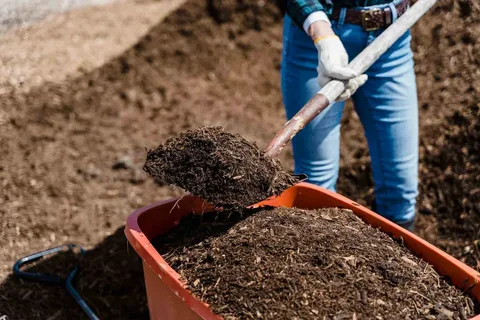
Composting is not just a trend; it’s a sustainable practice that transforms organic waste into nutrient-rich soil, benefiting both your garden and the environment.
Whether you’re an experienced gardener or just beginning your journey into the world of gardening, understanding composting is essential.
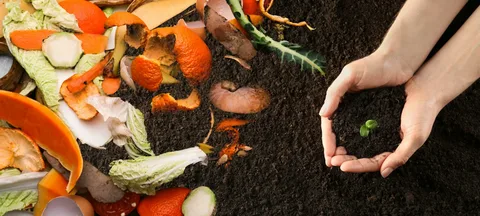
In this article, we will explore the myriad benefits of composting, guide you in setting up your own composting system, and help you troubleshoot common issues you may encounter along the way.
Understanding the Benefits of Composting
Composting offers a variety of advantages that extend beyond merely reducing household waste. Here are some key benefits of composting that make it a practice worth adopting:
1. Reduces Waste
One of the most significant benefits of composting is its ability to divert organic waste—like food scraps and yard trimmings—from landfills.
In the United States alone, millions of tons of organic waste end up in landfills each year, contributing to overflowing waste facilities. By composting, you can significantly reduce the volume of waste you send to landfills, which helps to alleviate this pressing environmental issue.
2. Improves Soil Quality
Compost acts as a valuable soil amendment, infusing your garden with essential nutrients, organic matter, and beneficial microorganisms.
It enhances soil structure, improves drainage, and increases water retention. When you add compost to your garden, you create a fertile environment where plants can thrive. The richness of compost can turn poor, lifeless soil into a thriving habitat for plants.
3. Enhances Plant Health
The nutrients in compost are released slowly, providing a steady supply of nourishment to your plants over time. This gradual release helps increase plant vitality, making them more resilient against pests and diseases.
Furthermore, compost helps balance soil pH levels, creating optimal conditions for plant growth. When your plants are healthy, they yield better results, whether you’re growing vegetables, flowers, or shrubs.
4. Reduces the Need for Chemical Fertilizers
Unlike synthetic fertilizers that can harm the environment and potentially degrade soil health, compost serves as a natural alternative. By using compost to nourish your garden, you can reduce or even eliminate the need for chemical fertilizers, offering a chemical-free way to support plant growth.
This eco-friendly approach not only benefits your garden but also contributes to a healthier ecosystem.
Getting Started with Backyard Composting
Now that you understand the myriad benefits of composting, let’s explore how to get started in your own backyard. Follow these steps to embark on your composting journey:
1. Choose a Composting Method
There are several composting methods to choose from, including traditional compost bins, tumblers, and vermicomposting (using worms).
Each method has its pros and cons based on your space, available time, and personal preferences. Take the time to research each method to find the one that suits you best.
2. Select a Composting Location
Identify a suitable spot in your backyard for your composting setup. Ideally, this area should be easily accessible, well-drained, and receive partial sunlight.
Avoid placing your compost pile too close to structures or sensitive areas, as composting can attract insects or create odors if not managed well.
3. Gather Composting Materials
Successful composting relies on a balanced mix of “green” and “brown” materials. Green materials are nitrogen-rich and include fruit and vegetable scraps, coffee grounds, and grass clippings.
Brown materials are carbon-rich and consist of dry leaves, straw, shredded paper, and cardboard. Aim for a roughly 50-50 mix of these materials to promote effective decomposition.
4. Build Your Compost Pile
Layer your green and brown materials in your composting bin or pile. Begin with a base of brown materials, then alternate layers of greens and browns.
Water the pile lightly, maintaining moisture levels like a damp sponge. Avoid overwatering, as too much moisture can lead to anaerobic conditions, which slow decomposition.
5. Monitor and Maintain
Check your compost periodically for moisture and temperature. Your pile should feel damp and warm, a sign that the decomposition process is active.
If it becomes too dry, add water; if it’s too wet, mix in more dry materials to absorb excess moisture. Turning the pile every few weeks increases aeration and speeds up decomposition.
6. Harvest and Use Your Compost
After a few months to a year, your compost will transform into dark, crumbly soil. When it’s ready, you can use it to enrich your garden soil, mix into potting soil, or apply as a top dressing for existing plants.
The nutrient-rich compost will boost plant growth and improve your garden’s overall health.
Troubleshooting Common Composting Issues
While composting is generally straightforward, you might encounter some common issues. Here are a few tips to help you troubleshoot:
1. Foul Odors
If your compost pile starts to emit unpleasant odors, it may be too wet or lack sufficient airflow. To remedy this, add more brown materials like leaves or shredded paper to absorb excess moisture.
Turning the pile will also help improve aeration and eliminate foul smells.
2. Slow Decomposition
If your compost takes longer to decompose than expected, it may need additional nitrogen-rich green materials. Regularly turning the pile can help increase oxygen flow and aid decomposition.
Cutting larger materials into smaller pieces can also speed up the process and improve overall efficiency.
3. Pest Problems
To deter pests from invading your compost pile, avoid adding meat, dairy, or oily foods, as these attract unwanted critters. Always bury food scraps under a layer of brown materials, which helps disguise the smell and makes it less appealing to pests.
Conclusion
Embracing composting in your backyard is a step toward a healthier environment.
By reducing waste, improving soil quality, and promoting plant health, you can turn organic materials into nutrient-rich compost that benefits both your garden and the planet.
Getting started is simple, and the long-term rewards are undeniable.
By implementing the steps outlined in this article, you can cultivate a thriving compost system that enriches your garden and contributes to a more sustainable future. So why wait? Start composting today and enjoy the countless benefits for years to come!