




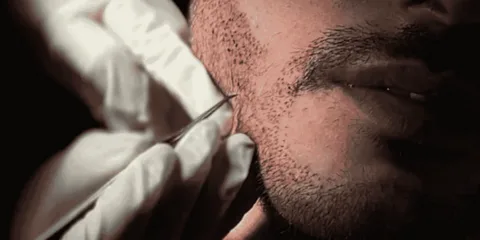
Facial hair has long been a symbol of confidence, masculinity, and personal style across many cultures. In recent years, grooming trends have shifted toward fuller, well-defined beards, making facial hair an essential part of modern male aesthetics.
However, not every man is naturally blessed with even growth, consistent density, or the ability to grow a beard at all.
Genetics, hormonal factors, scars, or medical conditions can all affect beard development, leaving many men searching for long-term solutions rather than temporary cosmetic fixes.
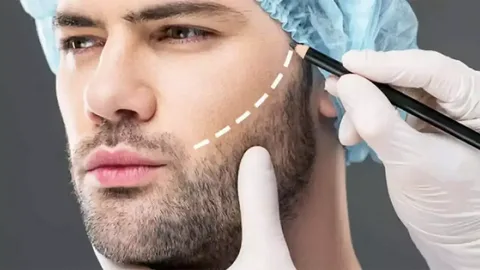
For individuals struggling with patchy or absent facial hair, Beard Hair Transplant in Islamabad has emerged as a reliable and permanent option.
This advanced procedure offers men the opportunity to achieve natural-looking facial hair by redistributing healthy hair follicles to areas of sparse growth.
Unlike topical treatments that require continuous use and often produce limited results, a transplant addresses the root of the issue by restoring actual hair follicles that grow naturally over time.
Understanding Why Beard Hair Loss Happens
Beard hair loss or uneven growth is not always a simple cosmetic concern. In many cases, it is influenced by underlying factors such as genetics, which determine hair density and follicle distribution.
Some men inherit patterns that result in thin cheeks, weak mustaches, or gaps along the jawline. Hormonal imbalances, particularly involving testosterone and dihydrotestosterone, can also affect facial hair growth and thickness.
Other causes include trauma, burns, acne scars, or surgical scars that damage hair follicles permanently. Certain autoimmune conditions, such as alopecia areata, may lead to patchy hair loss in the beard area.
Understanding the cause is crucial, as it helps set realistic expectations and guides the treatment approach toward a lasting solution.
How a Beard Hair Transplant Works
A beard hair transplant is a specialized procedure that involves harvesting healthy hair follicles from a donor area, typically the back of the scalp, and implanting them into the beard region.
The donor hair is chosen carefully to ensure compatibility in texture and growth pattern with facial hair. Modern techniques focus on precision and artistry, allowing surgeons to recreate natural angles, directions, and densities.
The procedure is performed under local anesthesia, making it relatively comfortable for patients. Each follicle is placed individually, which helps achieve a natural appearance once the hair starts growing.
Over time, the transplanted hair behaves like normal facial hair, allowing shaving, trimming, and styling just like a natural beard.
Techniques Used in Modern Beard Transplants
Advancements in hair restoration technology have significantly improved beard transplant outcomes. The most commonly used methods focus on minimal scarring, faster healing, and higher follicle survival rates.
These techniques allow surgeons to extract follicles one by one and implant them with great accuracy.
The choice of technique depends on the patient’s needs, donor hair availability, and desired beard style. Regardless of the method, the emphasis remains on achieving a natural look that blends seamlessly with existing facial hair.
The careful planning of hairline design and density distribution plays a crucial role in the final appearance.
Benefits Beyond Appearance
While the most obvious benefit of a beard hair transplant is improved facial aesthetics, the psychological impact is equally significant.
Many men report increased self-confidence and satisfaction with their appearance after completing the procedure. The ability to grow a full beard can positively influence personal and professional interactions, especially in cultures where facial hair holds social or cultural importance.
Another major advantage is permanence. Once the transplanted follicles take root, they continue to grow for a lifetime, eliminating the need for ongoing treatments or products. This makes the procedure a cost-effective solution in the long run, despite the initial investment.
The Recovery and Healing Process
Recovery after a beard hair transplant is generally straightforward, though it requires patience and proper care. Mild redness, swelling, or scabbing may appear in the treated areas during the first few days, but these effects typically subside quickly.
Patients are advised to avoid touching or shaving the area until it has healed adequately.
In the weeks following the procedure, it is normal for transplanted hairs to shed temporarily. This phase can be concerning for some, but it is a natural part of the growth cycle.
New hair growth usually begins within a few months, gradually becoming thicker and more defined over time. Full results are often visible after several months, revealing a natural and dense beard.
Designing a Natural Beard Shape
One of the most critical aspects of a successful beard transplant is design. A well-planned beard complements facial structure, jawline, and personal style. Surgeons work closely with patients to determine the ideal shape, density, and coverage.
Whether the goal is a light stubble, a full beard, or enhanced mustache and sideburns, customization ensures satisfying results.
Attention to detail is essential, particularly when placing follicles at the correct angle to mimic natural beard growth. This artistic approach distinguishes high-quality outcomes from artificial-looking results. Proper design ensures that the beard grows evenly and looks natural from all angles.
Who Is an Ideal Candidate?
Most healthy men experiencing patchy or absent beard growth can be suitable candidates for a beard hair transplant. Adequate donor hair availability is one of the primary requirements, as follicles must be harvested from another part of the body.
Individuals with stable hair loss patterns and realistic expectations tend to achieve the best outcomes.
It is also important that candidates are free from active skin infections or untreated medical conditions that could interfere with healing.
A thorough consultation helps determine suitability and allows for personalized planning based on facial features and hair characteristics.
Long-Term Care and Maintenance
Once the beard has fully grown, maintenance is similar to that of natural facial hair. Regular grooming, trimming, and proper skin care help keep the beard healthy and well-shaped.
There are no special products required specifically for transplanted hair, as it responds to grooming just like natural beard hair.
Maintaining a healthy lifestyle can further support hair growth and overall skin health. Proper nutrition, hydration, and stress management contribute to optimal results and long-term satisfaction with the procedure.
Final Thoughts on Choosing the Right Solution
A beard hair transplant is more than a cosmetic procedure; it is a confidence-restoring solution for men who desire fuller, more defined facial hair. With modern techniques and careful planning, results can look completely natural and last a lifetime.
For those considering advanced restoration options, consulting experienced professionals and understanding the process thoroughly is key to success.
Whether the goal is subtle enhancement or a dramatic transformation, Hair Transplant in Islamabad continues to be a sought-after option for men looking to redefine their appearance with lasting results.