






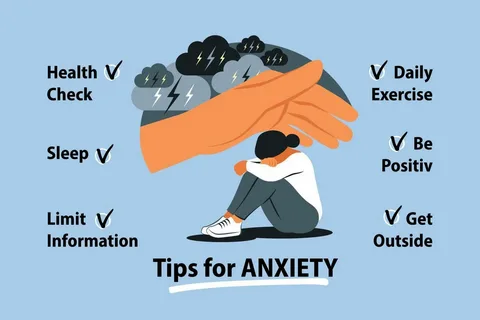
In today’s fast-paced world, stress has become a constant companion for many of us. Whether it’s work pressure, peer expectations, or personal life worries, anxiety can often feel overwhelming.
But what if we told you that one simple approach can help you manage that anxiety? Yes, it’s exercise—the natural mood-booster and stress-buster. Not only does it benefit your physical health, but it also plays a crucial role in improving your mental well-being.
In this blog post, we’ll explore how getting active—whether it’s sweating it out at the gym or taking a peaceful stroll in nature—and experience a greater sense of relaxation and rejuvenation than ever

How Exercise Can Help You Manage Anxiety
Exercise can help you manage anxiety in several effective ways:
1. Releases Endorphins
First and foremost, physical activity helps to release endorphins—often referred to as the body’s natural feel-good hormones. When you engage in exercise, your brain releases these chemicals, which can create feelings of happiness and euphoria.
This is often referred to as the “runner’s high.” Even a short burst of physical activity can lead to an immediate improvement in mood, acting as a natural remedy for stress and anxiety.
2. Provides Distraction
Second, exercise serves as a powerful distraction from the worries that fuel anxiety. When you’re focused on your workout, you’re less likely to dwell on your problems, whether they stem from work, relationships, or other sources of stress.
This temporary escape can give your mind a breather and allow you to return to those challenges feeling refreshed and more capable of handling them.
3. Enhances Overall Well-Being
Third, regular physical activity can enhance your overall sense of well-being. Exercise contributes to better sleep, improved self-esteem, and increased energy levels—all of which can combat anxiety. When you feel better physically, you’re more likely to feel better mentally.
The Best Exercises for Anxiety Relief
Exercise is a highly effective approach to reducing stress and anxiety. Here are several of the most effective types of workouts that can assist:
1. Aerobic Exercises
Aerobic exercises, like walking, running, or cycling, are fantastic for reducing anxiety levels. These activities increase your heart rate and can lead to the release of endorphins, improving your mood.
2. Yoga
Yoga is another excellent choice for managing anxiety. It combines physical movement with mindfulness and breath control, helping to calm the mind and reduce stress.
With its focus on relaxation and stretching, yoga can significantly lower levels of cortisol, the body’s primary stress hormone.
3. Strength Training
While it may not be the first exercise that comes to mind for anxiety relief, strength training can also be beneficial. Lifting weights or engaging in bodyweight exercises can boost self-confidence and improve body image. As you see your strength increase, it can lead to a more positive outlook on life.
4. Dance and Other Fun Activities
Consider dancing or participating in group sports or classes you enjoy. Moving your body to music can provide an enjoyable outlet for stress and anxiety.
Engaging in activities you love can make exercise feel less like a chore and more like a fun break from reality.
How to Get Started with an Exercise Routine
Feeling overwhelmed by anxiety? Starting an exercise routine can help you take control of your symptoms. Here’s how you can get started:
1. Choose an Activity You Enjoy
Selecting an activity that excites you is crucial for sticking with your new routine. Whether you love cycling, swimming, or dance, finding something you enjoy makes the commitment to exercise much easier.
2. Start Slowly
If you’re just beginning, it’s important to ease into your new exercise routine. Start with just a few minutes of activity each day and gradually increase the intensity and duration as you feel more comfortable. Listen to your body; don’t push yourself too hard right away.
3. Set Realistic Goals
4. Schedule Regular Sessions
Incorporate regular exercise sessions into your weekly schedule.
5. Find a Workout Buddy
Working out with a friend or joining a class can help keep you motivated. A workout buddy can make exercise more enjoyable and hold you accountable, making it less likely for you to skip a session.
6. Be Flexible
Remember, there are no strict rules when it comes to exercise. Do what feels right for you. If you’re not in the mood for a long workout, it’s okay to do a shorter session or opt for a relaxing yoga class instead. Flexibility can keep you engaged and prevent burnout.
Conclusion
Exercise is not just a physical activity; it’s a powerful tool for managing anxiety and stress. Engaging in routines such as running, yoga, or even dancing can significantly reduce your stress levels and improve your overall mental well-being.
Research has proven that physical activity is effective in managing emotions and alleviating anxiety symptoms.
So, don’t wait for a new year’s resolution to get started—today is the perfect day to begin your journey toward better mental health through exercise! Make it a habit to sweat away your stress and take charge of your feelings.
With every step, lift, or stretch, you’re not just working on your physical health; you’re cultivating a calmer, more centered version of yourself. Let’s embrace the benefits of exercise and find the peace we all deserve!