







Mental health is a complex and multifaceted aspect of our lives, influencing how we think, feel, and interact with the world around us.
Two of the most commonly discussed mental health conditions are anxiety and depression. While they may sometimes appear similar or coexist, distinguishing between the two is crucial for several reasons.
Understanding these distinctions not only aids in accurate diagnosis but also significantly impacts treatment planning and the overall quality of life for those affected.
The Importance of Accurate Diagnosis
At the foundation of effective mental health treatment lies an accurate diagnosis. Anxiety and depression, while they may share some overlapping symptoms, are distinct conditions that require different approaches to treatment.
Misdiagnosing one for the other can lead to ineffective treatment strategies, which could exacerbate symptoms or prolong suffering.
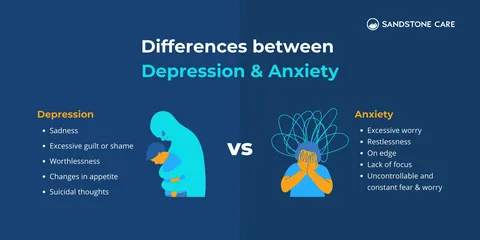
For instance, anxiety often manifests as excessive worry, restlessness, and physical symptoms like a racing heartbeat or sweating, while depression may present as persistent sadness, fatigue, and loss of interest in activities once enjoyed.
By identifying whether an individual is primarily experiencing anxiety or depression, healthcare professionals can offer interventions tailored specifically to the condition.
This precise diagnosis is critical; it ensures that individuals receive the most effective and targeted care, fostering a path to recovery.
Tailored Treatment Planning
The journey of healing is unique for everyone, and treatment plans should reflect this individuality. While there may be overlapping symptoms and treatment approaches for anxiety and depression, understanding which condition predominates can guide healthcare providers in crafting personalized treatment plans.
For example, cognitive-behavioral therapy (CBT) is a widely used therapeutic approach for both conditions. However, the techniques employed differ significantly.
In treating anxiety, CBT may focus on confronting irrational fears or managing panic attacks, while for depression, the emphasis may be on addressing negative self-talk and rekindling interest in previously enjoyable activities.
By distinguishing between the two, therapists can employ strategies that specifically target the primary symptoms and challenges of each condition, increasing the likelihood of successful treatment.
Enhancing Treatment Efficacy
Identifying the correct diagnosis significantly improves treatment outcomes. Mental health conditions can vary greatly in how they respond to different interventions.
For instance, certain medications may be effective for anxiety but prove less so for depression, and vice versa. Knowing whether an individual is contending with anxiety, depression, or both enables healthcare providers to customize the treatment approach accordingly.
Moreover, this accurate identification allows for better monitoring of progress. As treatment unfolds, healthcare providers can assess the effectiveness of their chosen interventions, making adjustments as necessary.
This dynamic treatment planning enhances the likelihood of symptom reduction, improved functioning, and overall well-being, ultimately leading to a more fulfilling life.
Addressing Co-Occurring Conditions
It’s not uncommon for individuals to experience anxiety and depression simultaneously, a condition known as co-occurring disorders. This dual diagnosis can complicate the experience and needs of the individual, impacting both symptoms and treatment approaches.
By distinguishing between anxiety and depression, healthcare professionals can create comprehensive treatment plans that address both sets of symptoms.
For example, if a person struggles with both conditions, a therapist might integrate relaxing techniques while also focusing on uplifting techniques, helping to alleviate anxiety while battling depressive symptoms.
This holistic approach can lead to better overall mental health outcomes and an improved quality of life.
Advancing Research and Understanding
Beyond individual treatment, distinguishing between anxiety and depression is vital for research purposes. The mental health community continually seeks to unravel the intricacies of these conditions.
Accurate differentiation allows researchers to study each condition independently, investigate their unique mechanisms, and develop targeted interventions and therapies.
Improving our understanding of anxiety and depression can lead to groundbreaking discoveries.
As researchers delve into the biological, psychological, and social factors of each condition, it paves the way for more effective treatments and support systems. This enhanced knowledge has the potential to transform lives.
The Role of Self-Diagnosis and Seeking Help
While it’s tempting to self-diagnose, especially in an era where information is at our fingertips, doing so can be misleading and harmful. Anxiety and depression can manifest in various ways, and self-diagnosing may lead to misunderstandings about one’s mental health.
If you suspect that you are experiencing symptoms of anxiety, depression, or both, it’s advisable to seek professional help from a qualified mental health provider.
They can conduct a thorough evaluation, accurately diagnose your condition, and guide you toward appropriate treatment options. Remember, seeking support is not a sign of weakness; it’s a brave step toward better mental health.
Tips for Managing Anxiety and Depression
While seeking professional help is crucial, there are also daily practices you can incorporate into your life to manage anxiety and depression effectively:
- Maintain Activity: Consistent exercise can enhance mood and lessen anxiety. A simple routine walk can have an impact.
- Engage in Mindfulness: Methods such as meditation and deep-breathing practices can assist in centering you and fostering a feeling of tranquility.
- Engage with Others: Creating and nurturing social relationships can offer emotional backing and lessen sensations of loneliness.
- Emphasize Rest: Adequate sleep is essential for mental well-being. Create a soothing nighttime ritual to enhance sleep quality.
- Consume a Nutritious Diet: Diet has a major impact on mental well-being. Foods high in omega-3 fatty acids, antioxidants, and vitamins can promote brain health.
-
Pursue Expert Assistance: Feel free to find therapy, counseling, or support groups. Expert advice can offer methods and techniques for symptom management
- Limit Alcohol and Caffeine: Both substances can exacerbate anxiety and depression, so moderation is key.
Conclusion
Distinguishing between anxiety and depression is not just an academic exercise; it profoundly impacts diagnosis, treatment planning, and ultimately, the quality of life for those affected by these conditions.
By understanding the nuances of each disorder, individuals can receive the appropriate interventions tailored to their unique needs, leading to better outcomes.
In a world that increasingly recognizes the importance of mental health, we must prioritize understanding and supporting those experiencing these conditions. Remember, you are not alone.
Seeking help is a crucial step in the journey toward healing and well-being. Embrace the process, and take it one day at a time. The first step is often the hardest, but it can lead to a journey of hope and recovery.