




Introduction
In the fast-growing landscape of the UAE, where skyline silhouettes meet the desert horizon, Sharjah is quietly charting a different course one that prioritises people, sustainability, and community. At the forefront of this shift stands Al Mamsha Sharjah, the emirate’s first fully walkable community, a landmark project redefining how urban life can look and feel in the modern Middle East.
A City Within a City
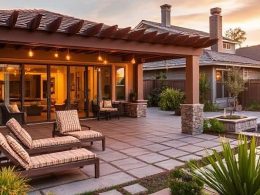
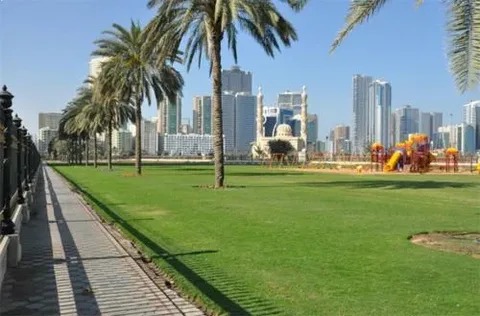
Step into Al Mamsha and you immediately sense that this isn’t a typical residential project. There are no car horns, no congested parking lots just shaded boulevards, landscaped courtyards, and winding pedestrian paths linking homes, cafés, and retail spaces. Designed by Alef Group, one of Sharjah’s most progressive developers, Al Mamsha embodies a new vision for sustainable urban living in Sharjah — where every corner encourages connection, wellness, and social interaction.
Alef Group describes Al Mamsha as a “city within a city,” and that description rings true. Residents can live, work, dine, shop, and socialise all within a few walkable minutes. The absence of cars doesn’t limit convenience; it enhances it. Electric buggies and designated cycling lanes provide smooth mobility, while open public squares invite people to gather and linger a rarity in urban developments dominated by car-centric design.
Designing for People, Not Cars
The concept of walkable communities in Sharjah isn’t just a design choice; it’s an environmental and social statement. Al Mamsha’s architecture embraces the natural flow of wind and light, aligning building layouts with prevailing wind directions to maintain natural ventilation. Wide pedestrian corridors, shaded by trees and canopies, make outdoor spaces usable throughout the year even during the UAE’s warmer months.
By 2025, Al Mamsha had already attracted over 1.24 million visitors and 2,000 residents, turning it into one of Sharjah’s most dynamic urban hubs. Families stroll between coffee shops and play areas, cyclists navigate smoothly on dedicated paths, and children enjoy safe, car-free courtyards. The atmosphere is vibrant but unhurried urban living without the chaos.
The development’s energy doesn’t come from its architecture alone but from the people who animate it. Its mix of residential clusters, boutique retail outlets, and creative spaces is deliberately designed to cultivate diversity. You’ll find entrepreneurs working remotely in shaded outdoor cafés, parents meeting after school pick-ups, and artists exhibiting their work in community corners. Every layer of Al Mamsha encourages interaction, turning a collection of buildings into a living ecosystem.
A Royal Endorsement of Vision
The significance of Al Mamsha was further highlighted when Her Highness Sheikha Jawaher bint Mohammed Al Qasimi, Wife of His Highness the Ruler of Sharjah and Chairperson of the Sharjah Family & Community Council, toured the community in 2025. Her visit symbolised not only royal recognition but also the emirate’s commitment to creating inclusive, people-focused urban spaces.
During her tour, Sheikha Jawaher explored key lifestyle destinations within Al Mamsha, engaging with entrepreneurs and residents who embody Sharjah’s values of culture, sustainability, and community spirit. The visit also included a presentation from Alef Group’s leadership about upcoming phases new residential handovers, F&B brands, and expanded community areas ensuring that Al Mamsha continues to evolve as a model of sustainable urban living in Sharjah.
Blending Sustainability with Lifestyle
Environmental responsibility is a cornerstone of Al Mamsha’s philosophy. The community integrates energy-efficient materials, natural shading, and passive cooling systems to reduce reliance on air conditioning and lower carbon emissions. Smart lighting, water conservation measures, and recycling initiatives form part of a wider sustainability framework, aligning with Sharjah’s Green Future Vision and the UAE’s Net Zero 2050 strategy.
As more UAE residents seek greener, more connected lifestyles, developments like Al Mamsha are setting the benchmark. In a region where comfort and convenience often mean air-conditioned malls and private cars, this shift toward walkable, human-scale communities marks a profound cultural change.
Sharjah’s Urban Evolution
Sharjah has long been known as the UAE’s cultural capital a city of heritage, learning, and art. Yet in recent years, it has also emerged as a pioneer in sustainable urban planning. The emirate’s approach balances growth with environmental and social sustainability, ensuring that progress enhances quality of life rather than diminishing it.
Alef Group’s CEO, Issa Ataya, has repeatedly emphasised that the company’s goal is not simply to construct buildings but to shape lifestyles. “Al Mamsha represents the future of living where sustainability, community, and convenience intersect,” he said in a previous interview. “It’s about creating a place where people feel they belong, where they can thrive personally and socially.”
A Model for Future Developments
As cities across the region grapple with rapid growth and urban sprawl, Al Mamsha offers a blueprint for how Middle Eastern cities can adapt. Its success demonstrates that walkable communities in Sharjah aren’t just aspirational they are practical, profitable, and scalable. Other developers across the Gulf are now studying its design and community model as they plan new mixed-use projects focused on people-centric living.
The lessons from Al Mamsha extend beyond Sharjah. Urban planners in Dubai, Abu Dhabi, and even Riyadh are increasingly exploring how to integrate walkability, sustainability, and local identity into large-scale developments. The shift signals a regional recognition that environmental resilience and community wellbeing must go hand in hand.
A Vision for the Future
Looking ahead, Alef Group’s plans for Al Mamsha’s next phase promise to enhance its role as a hub for sustainable urban living in Sharjah. Upcoming expansions will include additional green corridors, community event spaces, and partnerships with sustainability-focused brands. The group also intends to integrate smart technologies that further reduce resource consumption while improving the resident experience.
As the UAE moves steadily toward its sustainability milestones for 2030 and beyond, Al Mamsha stands as both a symbol and a solution proof that sustainable, walkable, people-oriented cities are not just possible but desirable. It’s a model that could redefine how the region thinks about urban growth in the decades to come.
Conclusion
Al Mamsha Sharjah isn’t just a development; it’s a declaration that progress can be human, that growth can be green, and that cities can once again belong to people rather than cars. As Sharjah continues to lead the UAE’s sustainability journey, projects like Al Mamsha are shaping the narrative for the future: vibrant, inclusive, and sustainable communities built for life on foot.