




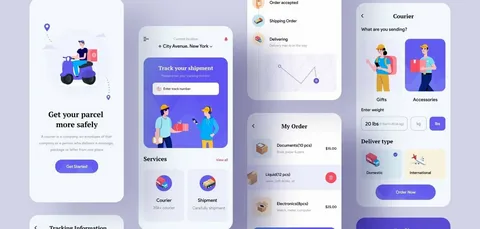
In today’s fast-paced digital world, the demand for efficient and user-friendly stationery delivery services is growing rapidly, catering to both individual consumers and businesses. As companies look to establish a strong presence in the competitive e-commerce sector, creating advanced stationery delivery apps has become a critical step towards enhancing customer satisfaction and driving growth.
This article explores the essential elements needed for a successful stationery delivery app, focusing on key features, technology choices, user experience design, and effective marketing strategies. By understanding these components, businesses can position themselves for success in the evolving stationery market.

Understanding the Need for Advanced Stationery Delivery Apps
The Rise of E-commerce in Stationery
E-commerce has revolutionized the stationery industry. Consumers are no longer confined to the dusty aisles of retail stores, browsing through cluttered shelves. Instead, they enjoy the convenience of online shopping, exploring a wide range of stationery products from the comfort of their homes.
With an increasing demand for unique, high-quality, and personalized stationery items, businesses must adapt and create advanced delivery apps to capitalize on this trend.
Consumer Expectations and Convenience
Today’s consumers have elevated expectations for their shopping experiences. They seek seamless navigation, speedy transactions, and delivery services that are almost instant. The ability to place an order anytime and anywhere, coupled with tracking features and rapid checkouts, has become non-negotiable. If a stationery delivery app doesn’t offer these conveniences, users are likely to abandon their carts before completing their purchases.
Competitive Advantage for Growing Businesses
For emerging businesses, an advanced stationery delivery app is a game-changer. The right app can transform a company from just another stationery outlet to a go-to destination. With features like personalized recommendations, loyalty programs, and streamlined processes, businesses can build and maintain a loyal customer base, giving them a significant competitive edge.
Key Features of a Successful Stationery Delivery App
User-Friendly Interface and Navigation
First impressions matter, especially online. An intuitive user interface ensures that customers can easily find what they need. A clean layout, well-organized categories, and a user-friendly search function are vital. The easier it is for customers to locate their favorite products, the more likely they are to make a purchase.
Robust Product Catalog Management
A captivating product catalog is the heart of your app. It should feature high-quality images and detailed descriptions to effectively showcase your products. Implementing effective categorization and tagging helps users filter options quickly, making it easier for them to find exactly what they need.
Order Customization Options
Personalization is key in today’s market. Allowing users to customize their stationery—whether it’s monogramming a notebook or choosing colors for their art supplies—adds a special touch that can set your app apart. When customers feel a product is tailored just for them, they’re more likely to complete their purchase.
Real-Time Inventory Management
Technology Stack: Choosing the Right Tools for Development
Front-end Development Frameworks
Selecting the right front-end framework is crucial. Popular choices like React, Angular, or Vue.js allow for the creation of responsive and attractive apps. These frameworks enable dynamic content updates, ensuring your app is not only visually appealing but also functional.
Back-end Technologies and Databases
On the back end, robust technologies like Node.js or Ruby on Rails, coupled with databases such as MongoDB or PostgreSQL, ensure the app can effectively manage everything from user accounts to inventory. Think of the back end as the engine of a luxury vehicle—essential for a smooth experience.
Mobile vs. Web App Considerations
When choosing between a mobile, web, or hybrid app, consider your target audience. Mobile apps can provide a more personalized experience, while web apps are often more accessible. Striking the right balance is essential to reach the widest customer base.
User Experience Design in Stationery Delivery Apps
Importance of Intuitive Design
User experience design is critical to app success. An intuitive design helps guide users smoothly from onboarding to checkout, creating a frictionless shopping experience.
Effective Use of Visual Elements
Visual elements significantly enhance user engagement. High-quality images, clean icons, and a cohesive color scheme can transform a basic app into an engaging experience that resonates with users. Your brand’s personality should shine through in the app’s design.
Accessibility Considerations
Inclusivity should be a top priority in your design process. An accessible app ensures everyone, including those with disabilities, can navigate it easily. Features like text-to-speech capabilities and readable color contrasts can widen your audience and demonstrate a commitment to customer care.
Integrating Payment Solutions and Delivery Tracking
Popular Payment Gateways
Offering a variety of payment gateways like PayPal, Stripe, and Square can enhance the checkout experience. Choose gateways that align with your target demographic, ensuring seamless transactions without hassle.
Ensuring Secure Transactions
Security is paramount when handling payment information. Implement SSL certificates, encryption, and comply with PCI regulations to safeguard user data. Trust is vital in building customer relationships, especially in online transactions.
Real-Time Delivery Tracking Features
Real-time delivery tracking can transform the customer experience. Integrate GPS tracking and push notifications to keep users informed about their order status, minimizing “Where’s my order?” inquiries and turning them into “It’s here!” celebrations.
Marketing Strategies for Launching Your App
Building an Online Presence
An app without an online presence is like a pen without ink. Create a user-friendly website showcasing your app’s features and benefits. Utilize SEO strategies to ensure you appear in search results. Engaging blogs about stationery trends can boost visibility and draw in customers.
Utilizing Social Media Marketing
Leverage social media platforms like Instagram and Pinterest to promote your app. Share visually appealing posts and engage with your audience through stories and videos. Incorporate user-generated content to foster community and excitement around your brand.
Engaging Influencers in the Stationery Niche
Partnering with stationery influencers can elevate your app’s credibility. Send samples for reviews or have them create unboxing videos to generate buzz and excitement.
Scaling Your App to Accommodate Business Growth
Analyzing User Feedback for Improvement
Regularly analyze user feedback to identify areas for improvement. Use surveys and in-app feedback tools to gather insights, allowing your app to evolve according to user needs.
Expanding Product Offerings
Once you establish a loyal customer base, consider expanding your product line. Diversifying offerings, such as eco-friendly options or personalized kits, can attract new customers and excite existing ones.
Optimizing for Increased Traffic and Users
As your app gains traction, optimize its performance to handle increased traffic. Invest in cloud hosting and utilize content delivery networks (CDNs) to enhance speed and responsiveness.
Future Trends in Stationery Delivery App Development
Adoption of AI and Machine Learning
Incorporating AI and machine learning can significantly enhance user experience. These technologies can analyze purchasing patterns, providing personalized recommendations that keep users engaged and satisfied.
Personalization in User Experience
Personalization is essential for customer loyalty. Use data insights to tailor experiences, such as customized greetings and tailored promotions, enhancing user connection.
Sustainability and Eco-Friendly Practices
Embracing sustainability is imperative as eco-conscious consumers rise. Offering eco-friendly stationery and sustainable practices can differentiate your app and attract conscientious buyers.
Conclusion
Developing an advanced stationery delivery app involves more than just providing a service; it’s about creating an engaging experience for users. By focusing on essential features, leveraging the right technology, and implementing effective marketing strategies, businesses can tap into the growing demand for stationery products.
As the industry evolves, adaptability and innovation will be crucial for success. Embracing these strategies will not only enhance customer satisfaction but also lead to sustainable growth.
FAQs
What are the essential features of a stationery delivery app?
Essential features include a user-friendly interface, product catalog management, order customization, real-time inventory management, secure payment integration, and delivery tracking.
How can I ensure the security of transactions in my app?
You can ensure security by implementing secure payment gateways, using encryption, following PCI compliance, and regularly updating your app for vulnerabilities.
What technologies are commonly used in developing a stationery delivery app?
Common technologies include front-end frameworks like React, back-end technologies like Node.js, and databases like MongoDB, along with mobile app platforms like Flutter.
How can I effectively market my stationery delivery app?
Effective strategies include building an online presence, engaging in social media marketing, collaborating with influencers, and offering promotions to attract users.