



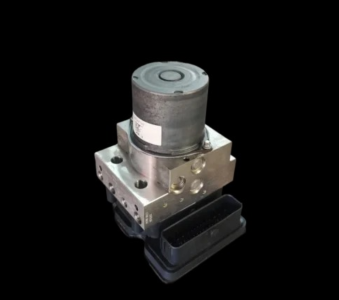
The Anti-lock Braking System (ABS) is an essential safety feature in today’s vehicles. It plays a critical role in preventing wheel lock-up during emergency braking, allowing drivers to maintain steering control and reduce stopping distances.
At the heart of this system is the ABS pump — a component often overlooked until problems arise. When it fails, ABS pump repair becomes crucial not only to restore braking efficiency but also to ensure safety on the road.
Understanding the ABS Pump
The ABS pump is part of a larger network that includes sensors, valves, and a control module. Its primary function is to manage the hydraulic pressure in the brake lines during hard braking.
When one or more wheels begin to lose traction, the ABS module activates the pump to rapidly adjust the pressure and restore grip.
Without a functioning ABS pump, the system cannot regulate pressure efficiently, meaning the wheels could lock up during sudden braking. This dramatically increases the risk of skidding, especially on slippery or uneven surfaces.
Why ABS Pump Repair Matters
Many drivers may continue operating their vehicle with a malfunctioning ABS system, especially if regular braking still works. But that decision comes with serious risks.
A failed ABS pump disables the system’s ability to control hydraulic pressure, reducing the car’s ability to handle emergency stops.
This can lead to longer braking distances and a higher chance of losing control in adverse conditions.
In addition, modern vehicles rely on the ABS system to support other technologies such as traction control and electronic stability control. When the pump fails, these systems may also stop functioning properly.
Symptoms That Indicate You Need ABS Pump Repair
Recognizing the warning signs early can help you avoid more serious and costly repairs. Common symptoms of a failing ABS pump include:
- ABS warning light: One of the most obvious indicators is the ABS light remaining on in your dashboard.
- Unusual brake pedal feel: If your brake pedal becomes stiff, soft, or unresponsive, it could be a sign of hydraulic imbalance caused by pump failure.
- Strange noises during braking: Grinding, buzzing, or clicking sounds when braking hard may point to internal wear or a faulty motor in the pump.
- Loss of traction under braking: If your car skids easily when stopping quickly, the ABS may not be activating, often due to a non-functioning pump.
- Fault codes during diagnostics: A scan using diagnostic equipment can identify specific errors in the ABS module related to the pump.
Causes of ABS Pump Failure
Several factors can lead to ABS pump failure. Some are related to age and wear, while others stem from poor maintenance. Common causes include:
- Moisture in brake fluid: Brake fluid absorbs water over time. Moisture inside the hydraulic system can corrode pump components.
- Electrical issues: Problems with the pump’s motor or its wiring can prevent it from receiving the signals or power it needs to operate.
- Wear and tear: Like all mechanical parts, ABS pumps can wear out over time, especially in vehicles that see heavy or aggressive braking.
- Faulty control module: Sometimes the problem lies with the electronic control unit that communicates with the pump rather than the pump itself.
The ABS Pump Repair Process
Repairing an ABS pump involves several steps to restore its function and ensure system reliability:
- System diagnosis: A thorough scan of the ABS system helps identify fault codes and narrow down the root cause of the problem.
- Pump removal: Once the pump is confirmed as the issue, it is removed from the vehicle for inspection.
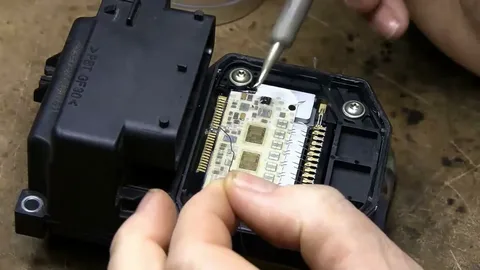
- Disassembly and inspection: The pump is disassembled, and internal components such as valves, seals, and motor brushes are examined.
- Component repair or replacement: Damaged or worn parts are either repaired or replaced. In some cases, entire sections of the pump may need to be swapped out.
- Reassembly and testing: The repaired pump is reassembled, reinstalled in the vehicle, and tested to ensure proper function.
- Brake fluid replacement and bleeding: Since the system is opened during repair, new brake fluid is added and air is removed to restore full pressure and responsiveness.
Can the ABS Pump Always Be Repaired?
Not all ABS pump issues can be fixed through repair. In some cases, replacement is the only viable solution. The decision depends on:
- Extent of the damage: Severe corrosion, complete motor failure, or cracked housing may make repair impossible.
- Availability of replacement parts: Some older or specialized pumps may not have parts readily available for repair.
- Cost of repair vs. replacement: In some instances, the cost of rebuilding the pump exceeds the cost of fitting a new or refurbished one.
That said, many common ABS pump problems — especially those involving electrical faults or minor mechanical wear — can be resolved with skilled repair work.
Preventing ABS Pump Problems
Preventative maintenance can go a long way in avoiding the need for major ABS pump repair. Here are a few tips to keep the system in good condition:
- Change brake fluid regularly: Brake fluid should be flushed every 2–3 years to prevent moisture buildup that can damage internal components.
- Inspect electrical systems: Check for corroded connectors or damaged wiring around the ABS unit, especially in vehicles used in wet or salty environments.
- Address warning lights immediately: Never ignore an illuminated ABS warning light. Quick diagnosis can prevent small issues from turning into major faults.
- Drive responsibly: Avoid excessive hard braking when unnecessary, which reduces the workload on the ABS system and extends its lifespan.
Conclusion
ABS pump repair is more than just a mechanical fix — it’s a vital step toward maintaining safety and control on the road.
A properly functioning ABS pump ensures your vehicle can handle emergency braking situations without losing traction, skidding, or increasing stopping distance.
Understanding the symptoms, causes, and repair process can help you act quickly if problems arise. With timely intervention and routine care, you can ensure your ABS system — and its vital pump — continues to perform its life-saving function for years to come.