



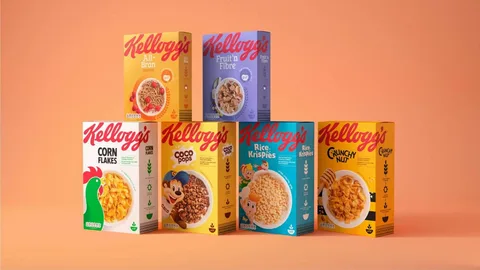
Cereal boxes are a central element of grocery store shelves. Whether it’s the bold graphics, the memorable mascot, or the irresistible health claims, cereal packaging plays a significant role in consumer choices.
But behind the flashy design lies a set of precise dimensions that directly affect packaging, storage, shipping, and marketing strategies.
In this article, we’ll take a closer look at the cereal box dimensions, why they matter, and how they impact everything from production to your kitchen cabinet.
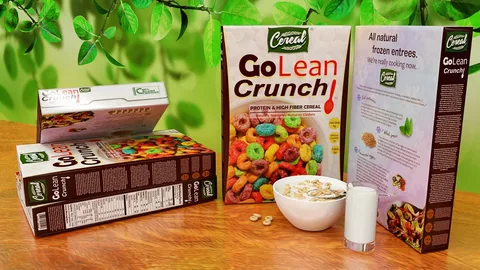
Standard Cereal Box Dimensions
While there are variations in size depending on the brand, product type, and market, most cereal boxes in the United States follow a few general guidelines.
A standard full-size cereal box typically holds between 10 to 18 ounces of cereal, and its dimensions are usually:
- Height: 12 inches (30.5 cm)
- Width: 7.75 inches (19.7 cm)
Depth: 2 inches (5.1 cm)
Cereal Box dimension
These measurements are designed to provide enough space for the product inside, while also optimizing the box for easy handling, branding, and storage.
Mini cereal boxes, often found in hotels or variety packs, are much smaller, with typical dimensions of:
- Height: 5 inches (12.7 cm)
- Width: 3 inches (7.6 cm)
- Depth: 1.5 inches (3.8 cm)
These smaller boxes are generally intended for single-serve portions.
Why Cereal Box Dimensions Matter
1. Shelf Visibility and Appeal
The design and dimensions of a cereal box are crucial in how it stands out on the grocery shelf.
Retailers often arrange products in a way that maximizes visibility, so cereal boxes must fit well within these constraints while also making an impact.
A taller, narrower box often catches a shopper’s eye more easily than a shorter or wider one, especially when displayed on the shelves.
By maintaining a standard size, manufacturers ensure their products have a consistent appearance across various stores and regions.
2. Shipping and Logistics
Efficient logistics and transportation are essential to reducing overall costs. The dimensions of a cereal box are carefully optimized for palletizing and bulk shipping.
Packaging must be designed in a way that maximizes space on pallets and minimizes empty gaps between boxes. Too large or oddly shaped packaging can lead to wasted space and higher shipping costs.
Standard dimensions, such as 12-inch height and 7.75-inch width, ensure that products can be packed and shipped efficiently, whether they’re going to local grocery stores or across the country.
3. Branding and Consumer Engagement
The front-facing side of a cereal box is the most important real estate for branding. It’s where companies place their logos, product images, and catchy slogans.
A larger surface area allows brands to showcase their identity, attract attention, and convey key information about the product, such as nutritional facts, special offers, or environmental claims.
In general, brands prefer taller boxes since they provide a larger canvas for bold graphics and appealing visuals.
4. Consumer Experience and Convenience
Consumers also benefit from the standardized dimensions of cereal boxes. When boxes are similar in size, it helps customers gauge the quantity of cereal they are purchasing.
Standard dimensions like 12 inches by 7.75 inches also mean that cereal boxes are easy to stack in kitchens, cabinets, or pantries.
If a box is too large, it might be cumbersome to store; if it’s too small, customers might feel they aren’t getting enough product for their money.
Variations in Cereal Box Sizes
Cereal packaging isn’t always uniform, and manufacturers often offer variations to cater to different consumer needs. Some of the common variations include:
- Family-Size Boxes: Larger boxes that hold more cereal, typically 13 to 16 ounces or more, are marketed to larger households or families. These boxes are often bulkier, sometimes reaching up to 14 inches tall.
- Mini Boxes: These boxes are designed for individual servings or trial packs and are usually found in hotel rooms or variety packs. Their compact size makes them ideal for short-term use.
- Limited Edition/Seasonal Boxes: Many cereal brands release boxes with special designs for holidays, special promotions, or movie tie-ins.
These boxes might possess distinct sizes to fit particular promotional spaces in retail locations, or to hold more toys or collectible objects
Custom Dimensions for Specific Needs
Some brands design custom-sized boxes for specific reasons, such as optimizing for store displays or accommodating extra-large servings.
For example, family-size boxes may have a different depth or height than standard boxes.
Similarly, cereal boxes designed for export might need to meet different regulations or storage requirements in other countries, which could lead to slight variations in size.
Final Thoughts: The Importance of Cereal Box Dimensions
Cereal box dimensions go far beyond merely containing a product; they are integral to the packaging process, branding, marketing, and logistics.
The careful planning behind a cereal box’s size ensures that it is optimized for visibility, shipping, and consumer appeal.
Whether it’s a standard-size box, a mini version for a single serving, or a special edition, understanding the importance of box dimensions helps brands create products that consumers will not only enjoy but also trust.