






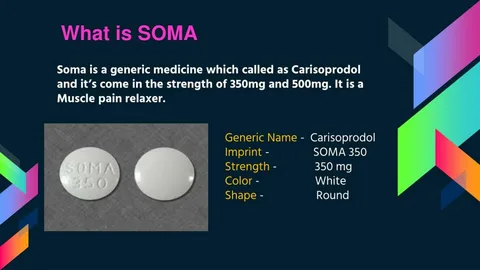
If your physician has recently prescribed Soma 350 mg, you may be wondering what happens after you take your first dose. Many patients focus on pain relief and muscle relaxation, but few understand the neurological process that begins once the medication enters the body.
Soma 350 mg, which contains carisoprodol, is commonly prescribed for short-term relief of muscle pain and discomfort. While most people expect the medication to simply relax tight muscles, the reality is much more complex. The drug works through the central nervous system and influences several areas of the brain responsible for muscle control, alertness, and pain perception.
Understanding how Soma works can help patients feel more confident and prepared when beginning treatment. This guide explains the brain effects of Soma 350 mg, what happens during the first 30 minutes, and why its effects may feel different from what many patients expect.
What Is Soma 350 mg?
Soma 350 mg is a prescription muscle relaxant that contains carisoprodol as its active ingredient. Doctors often prescribe it to relieve acute muscle pain caused by strains, injuries, or musculoskeletal conditions. Unlike pain medications that target inflammation directly, Soma works by affecting communication between the nerves and the brain. This reduces muscle tension and helps the body relax while healing.
Because it acts on the central nervous system, many patients notice both physical and mental effects after taking the medication.
The First 10 Minutes: Absorption Begins
Immediately after swallowing Soma 350 mg, the tablet begins dissolving in the digestive system. During this stage, the medication enters the bloodstream through the gastrointestinal tract. However, it has not yet reached the brain in significant amounts.
Most patients do not feel noticeable effects during the first ten minutes. Any sensations experienced at this stage are often related to anticipation rather than the medication itself. The body is simply preparing to transport the drug throughout the system.
10 to 20 Minutes: Initial Brain Activity Starts
As the medication enters circulation, carisoprodol begins crossing the blood-brain barrier. Once inside the central nervous system, it starts interacting with neurotransmitter systems responsible for regulating muscle activity and nerve signaling.
At this point, many patients notice subtle changes, including:
- Mild relaxation
- Reduced muscle tightness
- Less physical tension
- Slight calming sensations
The effects are usually gentle and gradual rather than sudden or dramatic.
20 to 30 Minutes: Noticeable Muscle Relaxation
Between twenty and thirty minutes after taking Soma 350 mg, the medication becomes more active within the nervous system. Neural pathways involved in muscle tension begin slowing down. Signals responsible for muscle spasms become less intense, allowing muscles to relax more naturally.
During this phase, many patients report:
- Reduced muscle stiffness
- Improved comfort
- Lower pain awareness
- Beginning stages of sedation
Although alertness may still feel normal, the body often starts experiencing a noticeable sense of ease and relaxation.

The Second Phase: Meprobamate Formation
One of the most important facts many patients never learn is that Soma does not work alone. After entering the body, the liver converts part of the medication into a compound called meprobamate. This metabolite also affects the central nervous system and contributes significantly to the drug’s overall effects.
As meprobamate levels increase, patients may notice:
- Greater relaxation
- Reduced anxiety
- Enhanced calmness
- Increased drowsiness
This second phase explains why Soma sometimes feels stronger over time rather than immediately after taking it.
How Soma Influences the Brain
Soma 350 mg affects several areas of the nervous system simultaneously.
GABA Receptor Activity
One of the primary mechanisms involves the enhancement of GABA activity. GABA is the brain’s main inhibitory neurotransmitter.
When GABA activity increases:
- Neural activity slows down
- Muscle tension decreases
- Sedation increases
- Calmness improves
This process helps reduce excessive nerve signaling that contributes to muscle spasms and discomfort.
Spinal Cord Communication
Soma also influences nerve communication within the spinal cord. By reducing signal transmission between sensory and motor neurons, the medication helps interrupt the cycle of muscle tightness and pain. This effect plays a major role in its muscle-relaxing properties.
Brainstem and Alertness Centers
The medication affects areas responsible for alertness and arousal.
As these regions become less active, patients often experience:
- Physical relaxation
- Mental calmness
- Reduced stress responses
- Mild sleepiness
These effects explain why many healthcare providers recommend caution when performing activities that require full attention.
What Patients Expect vs. What They Actually Experience
Many first-time users have certain expectations about Soma that differ from reality. Patients often expect the medication to work only on the injured muscle area. However, Soma affects the entire central nervous system, creating a whole-body response.
Many also expect immediate pain relief. Instead, the effects typically build gradually over the first hour. Some people assume the medication only relaxes muscles. In reality, it can also produce feelings of calmness and reduced anxiety because of its neurological effects. Understanding these differences helps set realistic expectations and improves treatment satisfaction.
Important Safety Considerations
Because Soma affects the brain and nervous system, patients should follow their physician’s instructions carefully.
Safety recommendations include:
- Avoid alcohol while taking Soma.
- Do not combine it with other sedative medications unless directed by a healthcare provider.
- Avoid driving or operating machinery until you understand how the medication affects you.
- Take only the prescribed dose.
- Use the medication for the recommended duration.
These precautions help reduce the risk of excessive drowsiness and other unwanted effects.
Why Understanding Soma Matters
Patients often focus only on symptom relief. However, understanding how a medication works can improve confidence and encourage safer use. Knowing that Soma influences both muscles and the nervous system explains why it produces relaxation, calmness, and sometimes drowsiness. This knowledge also helps patients recognize normal effects and understand when they should consult a healthcare professional.
Conclusion
Soma 350 mg does much more than simply relax muscles. During the first 30 minutes after taking a dose, the medication begins a complex neurological process involving the brain, spinal cord, and central nervous system. As carisoprodol enters the bloodstream and later converts into meprobamate, patients often experience progressive muscle relaxation, reduced discomfort, and a growing sense of calm.
Understanding these effects can help patients feel more prepared when starting treatment and use the medication responsibly. Always follow your physician’s instructions and discuss any concerns with a qualified healthcare provider before making changes to your treatment plan.
If your physician has prescribed Soma 350 mg, obtaining medication from a trusted pharmacy is important. Safe4Cure offers pharmaceutical-grade products with secure ordering and discreet delivery, helping patients access their prescribed medications with confidence.