



Football conversations often begin with bold predictions and end with quiet backtracking funny how that works. Pre-match evaluation sits in that overlooked middle—less glamorous than post-match reactions, yet far more useful. By studying form, context, and structure, analysts gain clarity before the chaos unfolds. This process transforms guesswork into grounded insight, especially within football match analysis. Preparation may not guarantee perfection, but it certainly reduces the chances of confidently saying something that ages terribly within ninety minutes.
The Foundation of Smarter Predictions
Solid predictions rarely come from instinct alone; they are built on layers of observation and reasoning. Pre-match evaluation examines team form, injury lists, head-to-head records, and tactical patterns. Ignoring these factors is a bit like entering an exam armed only with optimism (brave, but misguided). Effective football match tips emerge from structure, not randomness. When information is organized thoughtfully, patterns begin to appear, offering a clearer picture of potential outcomes rather than relying on emotional guesswork.

Reading Between the Numbers
Statistics offer a compelling narrative, though they rarely tell the full story on their own. Metrics such as expected goals, possession trends, and defensive efficiency provide valuable signals—but interpretation is everything. Numbers may be honest, yet they still require context to speak clearly. A dominant possession figure, for example, might hide inefficiency in attack. Thoughtful football match analysis blends raw data with situational awareness, ensuring conclusions reflect reality rather than misleading statistical comfort.
The Human Element
Beyond data lies the unpredictable realm of human behavior—confidence, fatigue, and motivation often shape results as much as tactics do. A past match comes to mind where statistics strongly favored one side, yet visible frustration and low energy told a different story (the result followed emotion, not expectation). Such moments highlight the importance of reading players, not just numbers. Pre-match evaluation must account for psychology, because football remains a human game played under pressure, not a spreadsheet exercise.
Tactical Awareness Before Kickoff
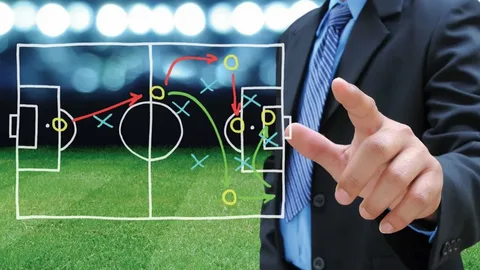
Every match unfolds like a strategic puzzle, where formations and playing styles quietly dictate the rhythm. Pre-match evaluation studies these tactical setups, identifying how teams press, defend, and transition. One manager’s aggressive approach may clash beautifully—or disastrously—with another’s cautious system. It often resembles chess disguised as chaos, where positioning matters more than spectacle. Understanding these nuances allows analysts to anticipate patterns, turning pre-game observations into meaningful insights about how the match might develop.
Avoiding Common Pitfalls
Common mistakes tend to repeat themselves—overvaluing recent victories, ignoring key injuries, or trusting personal bias too heavily. Falling in love with a team after one impressive performance can lead to questionable judgment (and occasional regret). Pre-match evaluation demands discipline, encouraging analysts to question assumptions rather than confirm them. Cross-checking data, context, and team news helps prevent avoidable errors. Careful thinking may not eliminate surprises, but it certainly reduces the likelihood of being blindsided.
Consistency Over Guesswork
Success in football analysis rarely comes from isolated correct predictions; it grows from consistent, structured evaluation. Developing a repeatable approach ensures that insights improve over time, rather than fluctuating with emotion. Professionals rely on steady processes, refining their methods with each match reviewed. Football Match tips become more reliable when backed by habit rather than impulse. Consistency builds confidence, turning analysis into a dependable framework instead of a series of hopeful guesses.
Conclusion
Pre-match evaluation may not attract headlines, yet it quietly shapes the quality of understanding behind every prediction. Preparation offers clarity, while hindsight often brings uncomfortable honesty (sometimes both arrive together). Careful analysis, blending data with human insight, creates a balanced perspective that stands the test of unpredictable outcomes. Football rewards those willing to do the unseen work beforehand—and while perfection remains elusive, thoughtful preparation ensures fewer surprises and far more meaningful observations when the final whistle blows.