



Dublin’s Silicon Docks area is a recognized hub for European enterprise software and B2B technology startups. These startups build powerful platforms that aim to solve complex challenges for large multinational companies. The financial opportunities are massive. However, the road to success in the enterprise software world isn’t easy. The sales cycle is long, intricate, and often frustrating.
To make things even harder, many of these startups try to accelerate their growth by pouring substantial sums of venture capital into search advertising. Unfortunately, this approach often backfires. Without the right strategy, the result is a rapid and catastrophic depletion of funds, with little to no return on investment.
So, what’s going wrong?
The Core Problem: Broad Targeting and Wasted Budget
The primary issue is the way these startups target their audience. Many focus too broadly on terms that attract a wide variety of people, including those who will never be in a position to buy their software. For example, a startup offering a sophisticated inventory management system designed for large manufacturing firms might bid on a broad search term like “inventory software.” While this term is frequently searched, it attracts all the wrong types of people: small retail shop owners, students doing assignments, and independent sellers—none of whom have the budget for an enterprise-level solution.
As a result, the startup ends up paying for clicks from people who will never convert. These irrelevant clicks drain the advertising budget quickly, often within hours. Meanwhile, the startup’s ideal target—the corporate procurement manager—searches later on in the day for a specific solution but doesn’t see the ad. By the time the high-value buyer is looking for the product, the startup has already wasted its budget.

A More Focused Approach
This is where the solution lies. To make the most of their advertising budget, startups need to get more precise. Instead of trying to reach everyone, they should focus solely on the technical phrases used by their true target audience: corporate decision-makers.
This is a highly specialized approach. It’s about spending time analyzing search data, identifying the exact keywords that corporate buyers use, and filtering out all the irrelevant terms. That means avoiding generic terms like “inventory software” and instead targeting very specific phrases such as “enterprise inventory management for manufacturing” or “ERP integration for supply chain management.”
However, just focusing on the right keywords isn’t enough. The campaign also needs constant, data-driven management to ensure maximum effectiveness.
The Importance of Negative Keywords
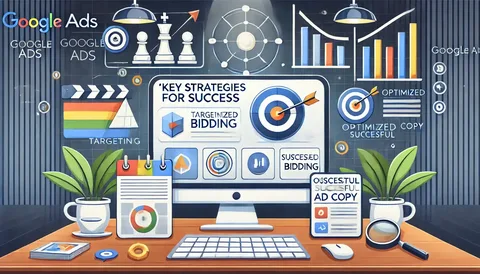
A key part of this strategy is the use of negative keywords. These are words or phrases that, when included in a search, will prevent an ad from being shown. For instance, if the startup’s target market is enterprise-level companies, terms like “free,” “cheap,” or “for small businesses” should be negative keywords. These filters ensure that the ad doesn’t show up when someone is looking for low-cost, consumer-grade solutions.
Creating an exhaustive list of negative keywords can take a lot of time, but it is crucial to avoid wasting money. Experts in Google Ads spend days analyzing search data and competitor keywords to build this list. By doing so, they ensure that the startup’s ads are shown only to people who are highly likely to be interested in a premium, enterprise-level solution.
Landing Pages: Aligning the Message
Once a high-intent buyer clicks on an ad, it’s essential that the landing page they are directed to matches their expectations. If a corporate executive clicks on a highly technical ad, only to be sent to a vague, generic homepage, the opportunity is lost. They won’t take the time to dig through irrelevant information—they’ll simply bounce and move on to a competitor.
To convert these expensive clicks into qualified leads, the landing page must speak directly to the technical needs of the buyer. It should immediately highlight:
- The software’s security compliance standards
- Integration capabilities with existing corporate systems
- Clear, easy options for scheduling a technical demonstration
The goal is to make it clear, right away, that this is a solution built for large companies with complex needs. If the landing page doesn’t reflect this, the click becomes a wasted investment.
Managing the Sales Cycle Effectively
The sales cycle for enterprise software is lengthy, often stretching months or even years. Therefore, every marketing dollar counts. For a startup, financial runway is a limited resource, and burning it on irrelevant clicks can significantly shorten that runway.
The key to sustainable growth is treating paid search advertising not as a broad brand awareness campaign, but as a precise, tactical tool for lead generation. This is where hiring a professional Google Ads management service can be invaluable. These specialists have the expertise to ensure that every cent of the marketing budget goes toward generating the right leads—those that are most likely to convert into long-term clients.
With the right team in place, startups can avoid the dangerous trap of general advertising. They can create campaigns that are narrowly focused on reaching only the most relevant decision-makers—those who are actively seeking high-quality, enterprise-level solutions.
Why Professional Management Makes All the Difference
Running a successful Google Ads campaign requires more than just setting up a few keywords and a budget. It involves a deep understanding of search behaviors, constant optimization, and a focus on high-value keywords that lead to qualified leads. Without this level of expertise, startups run the risk of wasting large portions of their venture capital on ineffective ads.
A professional team will bring a highly analytical and data-driven approach to campaign management. They will monitor and adjust the campaigns continually, making sure that every click aligns with the startup’s goals.
By focusing exclusively on high-intent searches and using rigorous filtering to block irrelevant clicks, startups can generate meaningful leads—those that ultimately drive product demonstrations and sales.
Conclusion: Protect Your Financial Runway
Broad, poorly targeted search advertising is a huge financial risk for enterprise software companies. Startups that fail to focus their campaigns narrowly on the right audience end up burning through precious capital with no measurable return.
To avoid this, startups must adopt a highly targeted, data-driven approach. By implementing aggressive negative keyword filtering and focusing on specific technical phrases used by corporate buyers, they can protect their venture capital. This strategy will ensure that every cent spent on advertising is used to secure high-value product demonstrations, which in turn lead to long-term commercial success.
Call to Action
If your startup is struggling to see a return on your advertising spend, it’s time for a change. Stop wasting your valuable resources on irrelevant clicks. Reach out to our specialist team today to audit your current campaigns. Let us help you optimize your Google Ads strategy and start generating the high-value corporate leads your software deserves.