




Living with retinitis pigmentosa (RP) involves navigating a gradual shift in how you experience the world. While modern medicine excels at diagnostics and is currently pioneering groundbreaking gene therapies, many individuals in 2026 are turning to Ayurveda as a functional, supportive pillar for long-term retinal health.
Ayurveda views the eyes through the lens of Alochaka Pitta, which is the metabolic fire of sight. When this balance is disrupted by Vata (degeneration) or Pitta (inflammation), vision begins to fade. This guide outlines how an integrative Ayurvedic approach can help slow progression and improve your daily quality of life through systemic and localized care.
1. The Core Philosophy: Systemic Neuroprotection
In the traditional texts of Ayurveda, retinitis pigmentosa is often categorized under Timira (progressive vision loss) or Drishtimandala-gata Roga. In 2026, the medical community recognizes that while the genetic blueprint of RP is fixed, the rate of degeneration is often influenced by external stressors. The goal of Ayurveda is not a “magic cure” for a genetic condition, but rather neuroprotection. This involves strengthening the remaining retinal cells and reducing “metabolic noise” that can accelerate cell death.
By focusing on the body’s internal environment, Ayurvedic care aims to achieve three primary goals:
-
Reduce Oxidative Stress: Protecting delicate photoreceptors from free radical damage is essential. Ayurveda utilizes potent antioxidants to buffer the retina against the harsh effects of light and metabolic waste.
-
Enhance Microcirculation: Improving blood flow to the tiny vessels of the retina ensures that nutrients reach the back of the eye. Proper circulation also helps in the efficient removal of toxins.
-
Stabilize Nerve Function: Supporting the optic nerve’s ability to transmit visual data to the brain is a priority. This helps maintain the clarity of the vision that remains.
2. Targeted Ocular Therapies: The Role of Netra Tarpana
Specific external therapies provide direct nourishment to the eyes. These are most effective when you start them in the early to middle stages of RP. They serve as a localized treatment to complement systemic health.
Netra Tarpana (The Pool of Ghee)
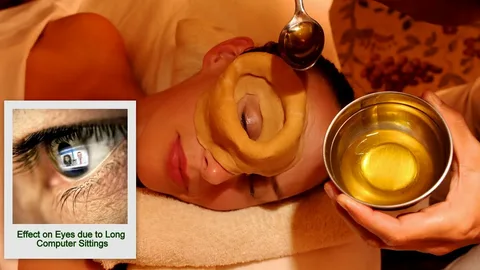
This is the hallmark of Ayurvedic eye care. A dam made of herbal dough is carefully built around the eyes. Then, lukewarm medicated ghee (clarified butter) is poured over the open eyes. This process allows the lipid-rich ghee to permeate the subtle channels of the eye. It lubricates the ocular surface and is believed to soothe the Marmas, or vital energy points, associated with the brain-eye connection. The fat-soluble herbal compounds in the ghee provide direct nourishment to the retinal tissues.
Anjana and Nasya
Beyond Tarpana, other therapies like Anjana (medicated collyrium) are applied to the eyelid margins. This stimulates tear production and clears the ocular channels. Meanwhile, Nasya involves the administration of medicated oils through the nasal passages. In Ayurveda, the nose is considered the gateway to the head. Nasya helps support the neurological pathways that connect the eyes to the central nervous system. Together, these treatments create a multi-dimensional approach to ocular health.
3. The “Eye-Friendly” Lifestyle and Diet
Ayurvedic management relies heavily on Chakshushya (eye-enhancing) habits. Your daily routine acts as a buffer against the stressors that accelerate retinal degeneration. In 2026, our environments are filled with digital strain and artificial light, making these habits more important than ever.
Dietary Pillars for Ocular Health
-
Antioxidant-Rich Foods: Focus on Amalaki (Indian gooseberry). It is exceptionally high in Vitamin C and contains heat-stable antioxidants that specifically target the eyes.
-
Healthy Fats: Medicated ghees, such as Triphala Ghrita or Jivantyadi Ghrita, are used internally to nourish the nervous system. These fats are essential for maintaining the integrity of the cell membranes in the retina.
-
Foods to Avoid: You should limit highly processed sugars and excessively salty or spicy foods. These are believed to aggravate Pitta and increase ocular inflammation, which can further damage the sensitive photoreceptor cells.
Daily Habits for 2026
-
Blue Light Management: Limit screen time, especially in the evening. In 2026, we understand that digital eye strain adds “background noise” to a vulnerable retina. This strain can exacerbate the symptoms of RP and lead to faster fatigue.
-
Light Protection: Always wear UV-protected sunglasses when outdoors. Ayurveda recognizes that excessive Tejas (light or heat) can strain a retina that is already struggling. Proper shading preserves the health of the remaining rod and cone cells.
-
Yogic Eye Exercises: Gentle movements, such as Trataka (candle gazing) or simple eye rotations, help maintain the flexibility and strength of the extraocular muscles. These exercises improve focus and reduce the physical strain associated with tunnel vision.
4. Integrating with Modern Ophthalmology
The most effective way to manage RP today is through Integrative Ophthalmology. This approach bridges the gap between traditional wisdom and modern science, ensuring that you receive the benefits of both worlds.
| Feature | Modern Ophthalmology | Ayurvedic Support |
| Primary Goal | Diagnosis, Gene Therapy, Monitoring | Systemic Resilience, Tissue Nourishment |
| Focus | Genetic markers, Retinal imaging | Dosha balance, Gut-eye axis |
| Tools | ERG, OCT, Injections | Netra Tarpana, Rasayana (Rejuvenation) |
By combining regular check-ups with your retina specialist and an Ayurveda-informed plan, you create a comprehensive safety net. Modern tools like OCT (Optical Coherence Tomography) allow you to track the thickness of the retinal layers. Meanwhile, Ayurvedic treatments like Rasayana (rejuvenation therapy) work to improve the quality of the tissue being monitored. Organizations like the Netra Eye Institute are instrumental in helping patients navigate this integrated path safely.
Conclusion
Retinitis pigmentosa is a marathon, not a sprint. While the diagnosis can sometimes feel like a closing door, an Ayurvedic framework helps you keep the room as bright as possible for as long as possible. By focusing on systemic health, targeted ocular nourishment, and mindful living, you take an active role in your vision’s future.
As we move further into 2026, the focus remains on quality of life. This means ensuring that every habit, from the food you eat to the way you manage light, supports the vision you still have. By treating the body as a whole, you provide your eyes with the best possible environment to function. Stay consistent with your routine, work closely with your medical team, and remain proactive in your care. Your vision is a precious resource, and with the right support, you can protect it for years to come.