







Discovering black patches on the bottom of your feet can be concerning, especially if they appear suddenly or change over time. The soles of your feet endure constant pressure, friction, and moisture, making them susceptible to various skin conditions. While many dark patches are harmless and temporary, some may require medical attention. Understanding the possible causes and how to care for your feet can help you respond effectively.
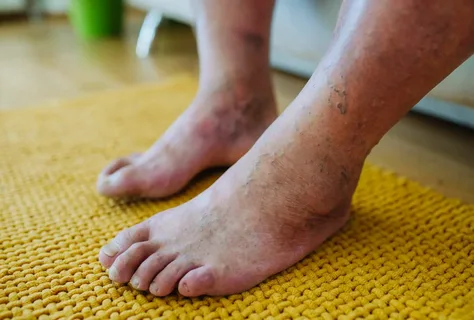
Common Causes of Black Patches on the Bottom of Feet
1. Friction and Blood Blisters
One of the most frequent reasons for black patches is friction from poorly fitting shoes or prolonged walking. When the skin experiences repeated rubbing, small blood vessels can break, resulting in dark red, purple, or black patches—commonly known as blood blisters. These areas may be tender and slightly raised.
What to Do:
Allow the blister to heal naturally. Avoid popping it, and switch to appropriately fitted footwear to reduce further irritation.
2. Bruising or Minor Injury
You might notice a dark patch after stepping on a hard object or injuring your foot. Internal bleeding can create a black or deep purple mark beneath the skin.
What to Do:
Rest your foot, elevate it, and apply a cold compress for the first 24 hours. If pain or swelling increases, consult a healthcare professional.
3. Hyperpigmentation
Hyperpigmentation occurs when there’s an excess of melanin in certain skin areas, often due to pressure, inflammation, or previous injuries. These patches tend to be flat, painless, and develop over time.
What to Do:
Keep your skin moisturized and try to minimize friction. If the pigmentation persists or spreads, it’s wise to consult a dermatologist.
4. Fungal Infections
Fungal infections, like athlete’s foot, can lead to darkened patches alongside symptoms such as itching, peeling, or burning sensations. Conditions that create a warm, moist environment for your feet can increase the risk of these infections.
What to Do:
Maintain cleanliness and dryness. Change socks daily and apply antifungal creams as instructed. If symptoms persist, seek medical advice.
5. Plantar Warts
Plantar warts can crop up on the soles of your feet and may contain small black dots, which are clotted blood vessels. They’re caused by the human papillomavirus (HPV) and may cause discomfort while walking.
What to Do:
Avoid picking at the wart. Over-the-counter treatments can help, but stubborn warts may require professional intervention.
6. Calluses with Trapped Debris
Repeated pressure can thicken the skin, leading to calluses. Sometimes dirt or blood trapped under the hardened skin can appear as a dark patch.
What to Do:
7. Serious but Rare Causes
Although infrequent, a dark patch on the sole may suggest a serious condition, such as Acral lentiginous melanoma, which is a rare form of skin cancer that can appear on the palms or soles.
Warning Signs:
- Irregular borders
- Uneven color
- Rapid growth
- Bleeding or ulceration
- A patch that doesn’t heal
If you notice any of these symptoms, seek immediate medical evaluation.
When to See a Doctor
Consult a healthcare provider if the black patch:
- Changes in shape, size, or color
- Causes persistent pain
- Bleeds without any injury
- Does not improve after a few weeks
- Appears suddenly without a clear cause
Early diagnosis is crucial for appropriate treatment and your peace of mind.
Diagnosis and Evaluation
A healthcare provider will assess the patch, taking into account your symptoms, medical history, and any recent injuries. They may recommend tests like skin scrapings, imaging, or biopsies if necessary.
Avoid self-diagnosis for ongoing or unusual skin changes.
Treatment Options
Treatment varies based on the underlying cause:
- Friction or Bruising: Rest and supportive footwear
- Fungal Infections: Topical or oral antifungal medications
- Warts: Medicated treatments or minor procedures
- Calluses: Gentle exfoliation and moisturizing
- Serious Concerns: Dermatological evaluation and specialized care
Always adhere to professional medical advice when addressing foot conditions.
Prevention Tips
You can prevent black patches on the soles of your feet by practicing proper foot care:
- Wear comfortable, well-fitting shoes.
- Opt for moisture-wicking socks.
- Keep your feet clean and dry.
- Moisturize daily.
- Avoid walking barefoot in public areas.
- Trim your toenails correctly.
- Regularly inspect your feet.
If you have diabetes, check your feet daily, as even minor skin changes can lead to complications.
Home Care for Minor Cases
For milder cases, try:
- Soaking feet in warm water
- Applying soothing moisturizers
- Reducing pressure on affected areas
- Avoiding harsh scrubbing
If symptoms persist or worsen, seek medical advice rather than solely relying on home remedies.
Final Thoughts
If you notice a patch that appears unusual, grows quickly, or does not improve, consult a healthcare professional promptly. Early evaluation is key to ensuring appropriate treatment and maintaining your overall foot health.
Pay attention to your feet—they support your entire body daily. Regular inspections, proper hygiene, and comfortable footwear can significantly contribute to healthy skin and prevent future issues.