






Patients should inform their healthcare provider about all medications they are taking. However, your gums play an equally important role in maintaining a strong and healthy smile. Gums protect the roots of your teeth, support the jawbone, and act as a barrier against harmful bacteria. Understanding the differences between healthy vs. unhealthy gums can help you detect early warning signs and prevent serious dental problems.
In this guide, we’ll break down the key signs you should know and explain how to maintain optimal gum health.
What Do Healthy Gums Look Like?
In this guide, we’ll explore the key differences between healthy vs unhealthy gums, examining their causes, symptoms, and the best ways to maintain optimal gum health.
1. Pink and Even Color
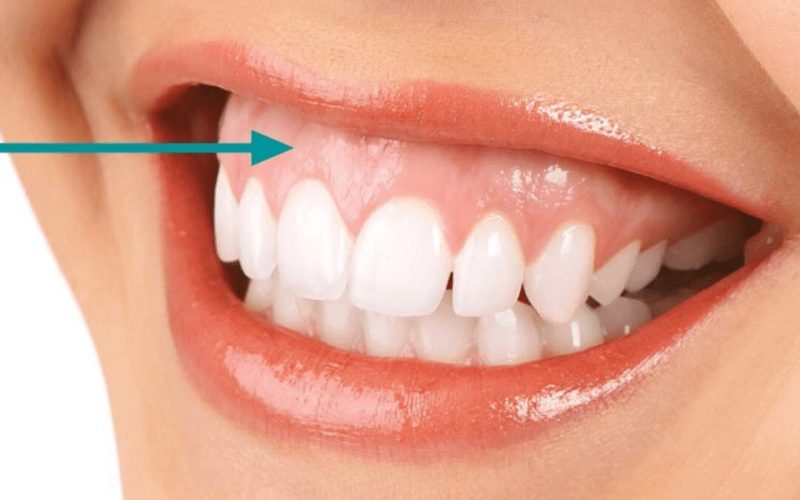
Healthy gums are typically light pink. While natural pigmentation may vary from person to person, the color should appear even and consistent without dark red or inflamed patches.
2. Firm and Tight Texture
Healthy gums are firm and fit snugly around each tooth. They create a tight seal that prevents bacteria from entering deeper tissues.
3. No Bleeding
Gums should not bleed during brushing or flossing. If bleeding occurs regularly, it is usually a sign of inflammation or gum disease.
4. No Pain or Swelling
Healthy gums do not feel tender or swollen. Eating, brushing, and flossing should not cause discomfort. If your gums meet these criteria, it is a good sign that your oral hygiene routine is effective.

Signs of Unhealthy Gums
Unhealthy gums often develop due to plaque buildup, poor oral hygiene, smoking, hormonal changes, or certain medical conditions. Recognizing the warning signs early can prevent more severe complications.
1. Redness or Darkening
One of the first signs of unhealthy gums is a change in color. Gums may appear red, dark pink, or even purplish, indicating inflammation.
2. Swelling and Puffiness
Inflamed gums often look swollen or enlarged. They may feel soft instead of firm when touched.
3. Bleeding During Brushing or Flossing
Frequent bleeding is not normal. It is commonly associated with gingivitis, the earliest stage of gum disease.
4. Persistent Bad Breath
Chronic bad breath can result from bacteria trapped along the gumline. If mouthwash only temporarily masks the odor, gum disease may be the underlying cause.
5. Gum Recession
As gum disease progresses, gums may pull away from the teeth. This exposes more of the tooth surface and may cause sensitivity to hot or cold foods.
6. Loose Teeth
In advanced stages, gum disease (periodontitis) can damage the bone supporting your teeth, potentially leading to tooth mobility or loss.
Key Differences at a Glance
Understanding healthy vs. unhealthy gums becomes easier when comparing them side by side:
| Feature | Healthy Gums | Unhealthy Gums |
|---|---|---|
| Color | Light pink | Red or darkened |
| Texture | Firm and snug | Puffy or swollen |
| Bleeding | None | Bleeds easily |
| Sensitivity | Comfortable | Tender or sore |
| Breath | Fresh | Persistent bad odor |
This comparison helps you quickly evaluate your gum health.
What Causes Gum Problems?
Several factors contribute to unhealthy gums:
Poor Oral Hygiene
Smoking
Tobacco use reduces blood flow to gum tissue and weakens the immune system, increasing susceptibility to infections.
Hormonal Changes
Pregnancy, puberty, and menopause can make gums more sensitive and prone to inflammation.
Medical Conditions
Diabetes and immune disorders may increase the risk of gum infections.
Nutritional Deficiencies
Lack of essential vitamins, particularly vitamin C, can weaken gum tissue and delay healing.
Why Early Detection Matters
Catching gum problems early can prevent serious complications. Gingivitis is reversible with proper care. However, if left untreated, it can progress to periodontitis—a more severe form of gum disease that can damage bone and lead to tooth loss.
Additionally, research has shown links between gum disease and overall health conditions, including heart disease and diabetes. Maintaining healthy gums is an important part of protecting your overall well-being.
How to Maintain Healthy Gums
Preventing gum disease requires consistent care and attention.
Brush Properly Twice Daily
Use a soft-bristled toothbrush and fluoride toothpaste. Gently brush along the gumline to remove plaque without causing irritation.
Floss Daily
Flossing removes debris between teeth where toothbrushes cannot reach. This is essential for preventing plaque buildup.
Use Antibacterial Mouthwash
A therapeutic mouthwash can help reduce bacteria and improve gum health.
Schedule Regular Dental Checkups
Maintain a Healthy Lifestyle
A balanced diet, proper hydration, and avoiding tobacco use all contribute to stronger gum tissue and improved immunity.
When to See a Dentist
If you notice persistent bleeding, swelling, gum recession, or loose teeth, schedule a dental appointment promptly. Early intervention can prevent more complex treatments later.
Final Thoughts
Understanding the differences between healthy vs. unhealthy gums is essential for protecting your smile. Healthy gums are pink, firm, and free from bleeding or pain. Unhealthy gums often display redness, swelling, bleeding, and sensitivity.
Understanding the differences between healthy vs unhealthy gums is essential for maintaining long-term oral health. As emphasized by Dental Advice Today, healthy gums are pink, firm, and free from bleeding or pain. In contrast, unhealthy gums often show signs of redness, swelling, bleeding, and sensitivity, which should never be ignored.