



Preeclampsia is a serious pregnancy condition most commonly defined by high blood pressure and signs of organ damage after 20 weeks of pregnancy. However, in rare and atypical cases, preeclampsia can develop without clearly elevated blood pressure. This unusual presentation, sometimes called normotensive or atypical preeclampsia, can be more challenging to recognize and diagnose.
Understanding how preeclampsia without hypertension presents, why it happens, and what warning signs to watch for is essential for protecting both maternal and fetal health.
What Is Preeclampsia?
Preeclampsia is a multi-system disorder that typically occurs during the second half of pregnancy or shortly after childbirth. It affects blood vessels and organs such as the liver, kidneys, brain, and placenta. In classic cases, high blood pressure is one of the first measurable signs, along with protein in the urine or abnormal lab findings.
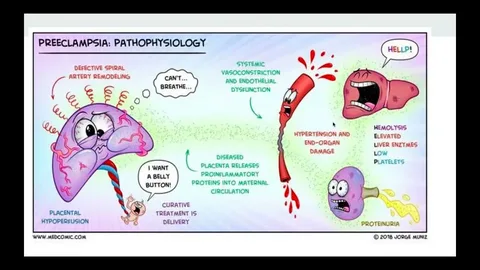
The exact cause of preeclampsia-without high blood pressure is not fully understood, but it is believed to involve abnormal development of blood vessels in the placenta. This can lead to reduced blood flow, inflammation, and stress on the mother’s organs.
Can Preeclampsia Occur Without Hypertension?
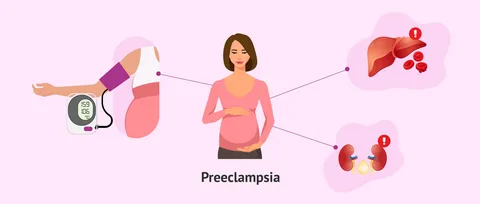
Although high blood pressure is a hallmark feature, preeclampsia without hypertension can occur. In these cases, patients may develop signs of organ dysfunction even when blood pressure readings remain within normal limits.
This form is less common but medically recognized. Diagnosis relies on identifying other clinical features rather than blood pressure alone. Because most prenatal screenings emphasize blood pressure checks, atypical presentations require heightened clinical awareness.
Why Does It Happen?
The exact cause of preeclampsia—whether with or without hypertension—is not fully understood. It is believed to involve abnormal placental development early in pregnancy. Blood vessels supplying the placenta may not form or function properly, leading to reduced blood flow.
This reduced blood flow can trigger inflammation and stress throughout the mother’s body. In some cases, organ damage or dysfunction appears before significant blood pressure elevation occurs.
Researchers continue to study why some individuals develop atypical presentations while others experience the classic high blood pressure pattern.
Warning Signs Beyond High Blood Pressure
Since hypertension may not be present, recognizing other symptoms is critical. Warning signs may include:
Severe or Persistent Headaches
Headaches that do not respond to usual remedies may indicate neurological involvement.
Visual Disturbances
Blurred vision, flashing lights, sensitivity to light, or temporary vision changes can signal brain or vascular changes.
Upper Abdominal Pain
Pain beneath the ribs on the right side may indicate liver involvement and should not be ignored.
Sudden Swelling
Swelling in the face, hands, or feet—especially if rapid and unusual—may raise concern.
Nausea or Vomiting
New or worsening nausea in the later stages of pregnancy can be a red flag.
Decreased Urine Output
Changes in kidney function may reduce urination.
These symptoms require prompt medical evaluation, even if blood pressure readings are normal.
How Is It Diagnosed?
Diagnosing preeclampsia without hypertension requires careful assessment. Healthcare providers may order:
- Urine tests to detect protein (proteinuria)
- Blood tests to assess liver enzymes and kidney function
- Platelet count tests
- Fetal monitoring to evaluate baby’s well-being
In some cases, abnormal lab findings may be the primary indicator of the condition. Continuous monitoring helps determine whether blood pressure eventually rises or remains normal.
Risk Factors
The risk factors for atypical preeclampsia are similar to those of traditional preeclampsia. These include:
- First pregnancy
- History of preeclampsia
- Multiple gestation (twins or more)
- Chronic hypertension or diabetes
- Obesity
- Autoimmune conditions
However, preeclampsia can develop in individuals without known risk factors, making regular prenatal care essential for all pregnancies.
Potential Complications
If not identified and managed early, preeclampsia without hypertension can lead to serious complications:
- Seizures (eclampsia)
- HELLP syndrome (a severe liver and blood disorder)
- Placental abruption
- Preterm delivery
- Fetal growth restriction
Early detection significantly reduces the likelihood of severe outcomes.
Treatment and Management
The only definitive cure for preeclampsia is delivery of the baby and placenta. However, the timing of delivery depends on gestational age and the severity of the condition.
Monitoring
Mild cases may involve frequent prenatal visits, lab testing, and fetal monitoring.
Medications
In severe cases, medications may be administered to prevent seizures and manage complications.
Hospitalization
Some individuals may require hospitalization for close observation.
The goal is to balance maternal safety with the baby’s development, ensuring delivery occurs at the safest possible time.
Postpartum Considerations
Preeclampsia can develop or worsen after delivery, even in cases where blood pressure was previously normal. Postpartum symptoms such as severe headaches, vision changes, or abdominal pain should always be evaluated promptly.
Ongoing follow-up care is important, as individuals who experience preeclampsia have a higher long-term risk of cardiovascular disease.
The Importance of Awareness
Because preeclampsia without hypertension is uncommon, it may be overlooked if symptoms are dismissed. Patients should report any unusual or severe symptoms to their healthcare provider immediately.
Routine prenatal appointments remain the most effective way to monitor maternal and fetal health. Open communication ensures that symptoms are evaluated thoroughly, even when blood pressure appears normal.
Final Thoughts
Preeclampsia without hypertension is a rare but serious condition that challenges the traditional understanding of this pregnancy complication. While high blood pressure is a key diagnostic feature in most cases, it is not always present.
Awareness of warning signs beyond blood pressure measurements is essential for early detection and timely care. Health Vore emphasizes that regular prenatal visits, open communication with healthcare providers, and immediate attention to unusual symptoms can significantly improve outcomes.
Awareness, vigilance, and consistent prenatal care are the most powerful tools in managing this atypical presentation of preeclampsia.