





Tooth extraction is one of the most frequent dental procedures in modern oral healthcare. In the suburb of Doreen, patients who deal with persistent toothaches, advanced decay, or overcrowding have access to a wealth of skilled dental professionals. These experts prioritize safety and efficiency, ensuring that every extraction is as stress-free as possible.
While the idea of losing a tooth can feel intimidating, knowledge is the best remedy for anxiety. By understanding why extractions happen, how the process works, and what recovery looks like, you can make informed decisions about your oral health with total confidence.
Why Is Tooth Extraction Necessary?
A dentist’s primary goal is almost always to save your natural teeth. Professionals in Doreen typically exhaust options like fillings, root canal therapy, or protective crowns before suggesting a removal. However, specific clinical conditions often make extraction the most logical and healthy choice for the patient.

Severe Decay and Infection
The most common culprit is deep-seated decay. When a cavity migrates past the enamel and reaches the soft pulp at the center of the tooth, it can cause excruciating pain and systemic infection. If the tooth’s structure is too compromised to support a filling or a crown, removing it prevents the infection from spreading to the jawbone or bloodstream.
Advanced Periodontal Disease
Gum disease is a quiet but destructive force. In its advanced stages, it destroys the bone and ligaments that anchor your teeth in place. When a tooth becomes loose due to bone loss, extraction is often the only way to restore health to the surrounding tissues and prevent further complications.
Impacted Teeth and Overcrowding
Wisdom teeth are notorious for causing trouble. They often become “impacted,” meaning they are stuck under the gumline or grow at an angle that threatens neighboring teeth. Furthermore, some patients require extractions to create space before beginning orthodontic treatments like braces.
The Two Main Types of Extractions
Not all tooth removals are the same. Dentists generally categorize the procedure into two distinct methods based on the tooth’s position and condition.
1. Simple Extractions
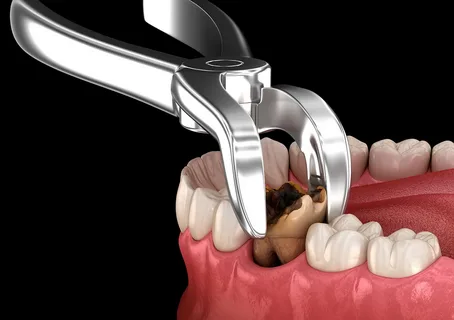
A simple extraction involves a tooth that is visible above the gum line. During this visit, a Doreen dentist uses a local anesthetic to completely numb the area. They then use specialized instruments to gently loosen the tooth and lift it from its socket. Because the tooth is easily accessible, this process is quick and involves minimal recovery time.
2. Surgical Extractions
This method is reserved for more complex cases, such as teeth that have broken off at the gum line or haven’t fully erupted. Because the dentist may need to make a small incision in the gum or remove a tiny amount of surrounding bone, these procedures are more involved. Many clinics offer sedation or general anesthesia to ensure the patient remains comfortable and relaxed throughout the surgery.
How to Prepare for Your Appointment
Success begins before you even sit in the dental chair. A thorough preparation phase ensures that your dentist can manage any potential risks.
- The Initial Exam: Your dentist will take digital X-rays to map out the tooth’s root structure and the density of the surrounding bone.
- Medical History: Be honest about your medications. Blood thinners, for example, can affect how you heal. You should also mention any heart conditions or joint replacements, as these might require a round of antibiotics before the surgery.
- Fasting: If you are undergoing sedation, your dentist will likely ask you to avoid eating or drinking for several hours prior to the appointment.
A Walkthrough of the Procedure
What actually happens during the extraction? While every case is unique, most procedures follow a standard, predictable path.
First, the dental team ensures the site is fully numbed. You might feel some pressure as the dentist works, but you should not feel any sharp pain. For simple extractions, the dentist uses an “elevator” to widen the socket and “forceps” to remove the tooth.
In a surgical scenario, the dentist carefully exposes the tooth through a small incision. If the tooth is particularly stubborn, they may divide it into smaller sections to make the removal smoother and less traumatic for the jaw. Once the tooth is out, the site is cleaned, and a sterile gauze pad is applied to help a blood clot form. In some cases, a few self-dissolving stitches are used to close the area.
The Golden Rules of Recovery
The 24 to 48 hours following an extraction are the most critical for long-term success. While some discomfort and minor swelling are normal, proper aftercare prevents the most common post-surgical issue: Dry Socket.
Managing Pain and Swelling
You can usually manage post-operative pain with standard over-the-counter relievers. To keep swelling down, apply an ice pack to your cheek in 20-minute intervals during the first day.
Protecting the Blood Clot
The blood clot that forms in the empty socket is essential for healing. To keep it intact, you must avoid:
- Using straws (the suction can pull the clot out).
- Vigorous rinsing or spitting.
- Smoking for at least 72 hours.
- Physical exertion that raises your blood pressure.
Nutrition and Hygiene
Risks and When to Call Your Dentist
While modern extractions are incredibly safe, no surgery is without risk. Complications like prolonged bleeding or infection are rare but possible. The most painful complication is a “dry socket,” which occurs when the protective blood clot fails to form or is dislodged, exposing the underlying bone to air and food.
If you experience a fever, severe chills, or pain that gets worse after the third day rather than better, contact your Doreen dental clinic immediately. Early intervention can quickly resolve these issues.
Choosing the Right Dental Professional in Doreen
Selecting a dentist is a personal decision. When looking for an extraction specialist in Doreen, prioritize clinics that offer a combination of experience and modern technology. Look for practices that provide:
- Clear, written aftercare instructions.
- Sedation options for nervous patients.
- Transparent pricing and a track record of positive patient reviews.
A great dentist doesn’t just pull a tooth; they manage your overall wellness and discuss future options for replacing the missing tooth, such as dental implants or bridges.
Conclusion: A Path to Better Health
Tooth extraction is more than just a dental procedure; it is often the first step toward a pain-free life. Whether you are addressing a wisdom tooth that won’t grow in or a molar that has seen better days, the dental community in Doreen is equipped to provide high-quality care.
By following your dentist’s advice and focusing on a careful recovery, you can protect your smile and ensure your long-term oral health remains in peak condition. Remember, a missing tooth isn’t the end of your dental journey—it’s an opportunity to rebuild a healthier, stronger mouth.