




Renewable Energy Software Development Services in South Africa are gaining importance as the country expands its use of solar, wind, and hybrid energy systems. Power shortages and grid instability have pushed both public and private sectors to adopt more intelligent energy management approaches. Software is no longer a supporting layer. It now plays a central role in how energy is produced, monitored, and distributed.
This shift has created strong demand for systems that can handle real-time data, support automation, and improve operational visibility. Traditional monitoring tools fall short when dealing with distributed energy assets spread across large geographic areas. As a result, modern solutions rely heavily on connected devices and advanced data analysis.
IoT and analytics sit at the center of this change. Together, they enable energy operators to track performance continuously, identify issues early, and make informed decisions. This combination is shaping how smart energy monitoring systems and data-driven energy solutions are designed and deployed across South Africa.
Understanding IoT in Renewable Energy Systems
What is IoT in the Energy Context
In renewable energy systems, IoT refers to a network of connected devices that collect and transmit data from physical assets such as solar panels, wind turbines, and substations. These devices provide continuous visibility into system performance without requiring manual checks.
Each component in the network communicates through secure protocols, sending data to centralized platforms. This allows operators to monitor multiple sites from a single interface. In regions where energy infrastructure is widely distributed, this capability becomes essential.
Types of Sensors and Devices Used
A typical IoT-enabled energy system includes several types of sensors and devices, such as:
- Temperature and humidity sensors for environmental monitoring
- Voltage and current sensors for electrical performance tracking
- Vibration sensors for detecting mechanical issues in turbines
- Smart meters for measuring energy consumption and distribution
These devices are designed to operate in harsh conditions and provide consistent data over long periods. Their accuracy directly affects the reliability of the entire system.
Data Collection and Communication
Data collected by IoT devices is transmitted through communication networks such as cellular, satellite, or low-power wide-area networks. The choice depends on location and infrastructure availability.
Once transmitted, the data is stored in cloud or on-premise systems for further analysis. Reliable data flow is critical. Any interruption can affect monitoring accuracy and delay response to potential issues.
Role of Data Analytics in Energy Software
Real-Time Data Processing
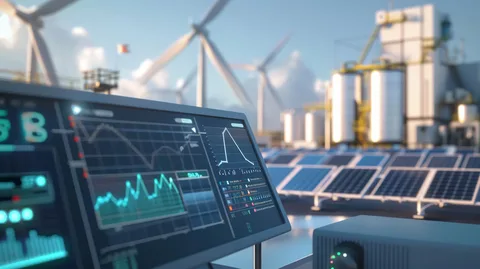
Energy systems generate large volumes of data every second. Analytics platforms process this data in real time, allowing operators to detect anomalies as they occur. For example, a sudden drop in solar panel output can be identified within seconds, enabling immediate investigation.
Real-time processing also supports automated alerts. These alerts help teams respond quickly without relying on manual observation.
Predictive Maintenance and Forecasting
One of the most valuable applications of energy analytics software is predictive maintenance. By analyzing historical and real-time data, systems can identify patterns that indicate potential failures.
For instance, gradual changes in vibration levels in a wind turbine may signal wear and tear. Addressing the issue early prevents costly breakdowns and reduces downtime. This approach is widely used in predictive maintenance energy strategies across large-scale installations.
Energy Consumption Optimization
Analytics also helps in understanding how energy is consumed across different locations and time periods. This insight allows operators to adjust distribution strategies and reduce waste.
For example, energy loads can be shifted to off-peak hours, or storage systems can be used more effectively. Over time, these adjustments lead to more efficient use of available resources.
How IoT and Analytics Work Together
IoT and analytics are most effective when used as a combined system rather than separate components. IoT devices collect raw data, while analytics platforms convert that data into actionable insights.
The process typically follows a clear flow:
- Sensors capture performance and environmental data
- Data is transmitted to a central platform
- Analytics tools process and interpret the data
- Insights trigger alerts or automated actions
This integration supports automation in decision-making. For example, if a system detects overheating in a solar inverter, it can automatically reduce load or shut down the affected component.
Improved system reliability is one of the key outcomes. Continuous monitoring and analysis reduce the likelihood of unexpected failures and improve overall operational stability.
Use Cases in South Africa’s Renewable Energy Sector
Solar Farm Monitoring Systems
South Africa has seen rapid growth in solar installations, both at utility and commercial levels. IoT-enabled monitoring systems track panel performance, weather conditions, and energy output.
These systems help operators identify underperforming panels and take corrective action. Over time, this improves energy yield and reduces maintenance costs.
Wind Energy Performance Tracking
Wind farms rely on consistent performance across multiple turbines. IoT devices track variables such as wind speed, rotor speed, and vibration levels.
Analytics platforms use this data to assess efficiency and predict maintenance needs. This ensures that turbines operate within safe and optimal conditions.
Smart Metering Solutions
Smart meters are becoming common in urban and semi-urban areas. They provide real-time data on energy consumption, allowing both providers and consumers to make informed decisions.
For utilities, smart meters improve billing accuracy and reduce losses. For consumers, they offer better visibility into usage patterns.
Benefits of IoT-Driven Renewable Energy Software
The combination of IoT in renewable energy in South Africa and advanced analytics offers several practical benefits:
- Reduced operational costs: Early detection of issues lowers repair expenses
- Improved asset performance: Continuous monitoring ensures systems operate efficiently
- Better energy forecasting: Data-driven models provide more accurate predictions
These benefits are particularly important in regions where energy demand is high and supply constraints are common.
Challenges in Implementation
Despite the advantages, implementing IoT and analytics in renewable energy systems comes with challenges.
Data security concerns are a primary issue. Connected devices increase the attack surface, making it essential to secure communication channels and storage systems.
Infrastructure limitations can also affect deployment. Remote areas may lack reliable connectivity, which impacts data transmission and system performance.
Integration complexity is another challenge. Many existing energy systems were not designed for digital integration. Connecting legacy infrastructure with modern platforms requires careful planning and technical expertise.
Conclusion
Renewable energy software development services in South Africa are becoming more advanced as IoT and analytics take a central role in system design. These technologies provide continuous visibility, support predictive maintenance, and improve overall efficiency.
Their combined use allows energy operators to move from reactive management to proactive decision-making. While challenges remain, the long-term benefits in reliability, cost control, and performance make this approach a practical direction for modern energy systems.
As renewable energy adoption continues to grow, the role of connected devices and data analysis will remain closely tied to how effectively these systems operate.