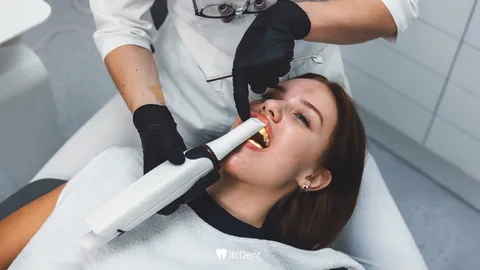
Dental emergencies can appear suddenly, turning a normal day into a stressful situation. Whether it’s a tooth breaking while eating or intense pain waking you at night, urgent issues demand immediate attention. In these moments, the speed and skill of your dental team matter greatly.
Prompt, accurate care eases pain, prevents further damage, and protects your long-term oral health. Experienced professionals not only treat the issue quickly but also guide you through the process with clear explanations and reassuring support. Their expertise helps you stay calm, understand your options, and feel confident that you’re receiving the right care when it matters most.
Understanding Dental Emergencies
Dental emergencies vary in severity and type, but all share one thing in common: they demand prompt attention. Some of the most frequent urgent dental situations include:
- Severe or worsening toothache
- Abscesses or facial swelling
- Cracked, chipped, or fractured teeth
- Knocked-out teeth due to trauma
- Lost crowns, fillings, or other restorations
- Injuries to the lips, gums, or tongue
The timing of intervention is crucial. Quick care can reduce pain, lower infection risk, and preserve natural teeth. Delaying treatment can make an emergency far more complicated, requiring more invasive procedures later on.
Why Speed and Expertise Make a Difference
During a dental emergency, time, accuracy, and calm decision-making are vital. While any dental professional can provide basic care, the knowledge and experience of a seasoned team ensure the safest and most effective outcome.
Benefits of Skilled Emergency Care:
- Rapid assessment and diagnosis
- Immediate relief from pain and discomfort
- Minimization of long-term damage
- Reduced stress through clear communication
Patients who see an emergency dentist in Lowestoft often report that the quick, confident handling of their situation alleviates anxiety almost immediately. Expertise in urgent care allows for precise treatment decisions and gives patients reassurance during a stressful event.
The Step-by-Step Emergency Care Process
A structured approach ensures that dental emergencies are handled efficiently. Typical steps include:
| Step | Purpose |
| Initial assessment & medical history | Understand the patient’s condition and overall health |
| Pain and symptom evaluation | Identify the cause and urgency of the issue |
| Diagnostic imaging (X-rays, intraoral cameras) | Detect hidden fractures, infections, or decay |
| Immediate treatment | Temporary or permanent intervention to address the problem |
| Follow-up care | Ensure healing and prevent recurrence |
This clear, organized process helps patients feel informed and reduces the uncertainty that often accompanies urgent dental situations.
Skill in Action: Common Emergency Scenarios
The technical expertise of a dental team becomes most apparent in high-pressure situations. Common emergencies and their typical treatments include:
- Severe Toothache or Infection: Prompt treatment may involve drainage, antibiotics, or root canal therapy to reduce pain and prevent complications.
- Cracked or Broken Teeth: Skilled dentists can rebuild teeth using composite bonding, provide temporary solutions, or prepare for long-term restorative work.
- Lost Crowns or Fillings: Rapid replacement or temporary sealing protects the tooth from bacteria and further decay.
- Trauma from Accidents or Sports: Stabilising loosened teeth, repositioning knocked-out teeth, and treating soft-tissue injuries requires expertise and swift action.
Turning to an emergency dentist in Lowestoft ensures that these urgent problems are resolved quickly, preventing them from developing into more severe issues.
Communication: Reassuring Patients in Stressful Situations
The emotional support provided by a skilled dental team is as important as the treatment itself. Dental emergencies can provoke fear and anxiety, and clear communication helps patients remain calm.
How Experienced Teams Support Patients:
- Explain each step before proceeding
- Offer choices when possible
- Maintain a calm, reassuring tone throughout
- Ensure patients understand the treatment plan
This approach transforms an overwhelming situation into a manageable, predictable experience. Patients leave feeling informed, cared for, and confident in their recovery.
Teamwork: The Backbone of Smooth Emergency Care
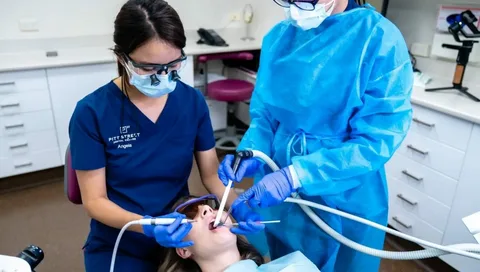
A proficient dental team works in synchrony to provide seamless care. While the dentist leads the clinical decisions, dental nurses, receptionists, and support staff all contribute to an efficient and stress-free experience.
Key Roles of a Skilled Team:
- Streamlined emergency triage
- Rapid preparation of equipment and materials
- Coordinated treatment execution
- Monitoring patient comfort and wellbeing
Collaboration ensures that appointments run smoothly, procedures are performed efficiently, and patients feel supported throughout.
Technology That Enhances Emergency Care
Advanced dental technology supports both speed and precision, improving outcomes and comfort for patients. Common tools include:
- Digital X-rays: Provide immediate, accurate imaging with lower radiation
- Intraoral cameras: Allow patients to visualise issues in real-time
- High-precision restorative materials: Improve durability and aesthetics of temporary and permanent repairs
- Advanced sterilisation systems: Maintain safe, hygienic clinical environments
The combination of modern technology and expertise ensures rapid, effective care that prioritises patient comfort.
Preventing Emergencies Through Routine Care
While many emergencies occur unexpectedly, regular professional care can prevent a significant number of urgent issues. Hygienists play a crucial role in maintaining oral health and spotting early signs of potential problems. Why a hygienist in Lowestoft Matters:
- Removes plaque and tartar that cannot be reached by daily brushing
- Identifies early decay or gum disease
- Provides personalized oral hygiene advice
- Helps patients manage sensitivity and inflammation
Consistent hygiene visits reduce the risk of sudden infections, tooth fractures, and other urgent problems, ensuring your smile stays healthy for longer.
Handling Dental Emergencies at Home
Knowing how to manage an emergency before reaching the clinic can help stabilize the situation and reduce discomfort.
Recommended Actions:
- Rinse with warm, salty water to reduce bacteria
- Apply a cold compress to control swelling
- Store knocked-out teeth in milk
- Take over-the-counter pain relief if necessary
- Use temporary dental filling material if available
Avoid:
- Applying aspirin directly to gums
- Ignoring swelling, bleeding, or severe pain
- Attempting to reattach crowns or fillings
- Consuming very hot or very cold foods
These steps help preserve teeth and prevent worsening conditions until professional care is available.
Conclusion
Dental emergencies are unpredictable, but the support of an experienced, skilled dental team transforms stressful moments into manageable ones. From rapid diagnosis and precise treatment to compassionate communication, expert care ensures patients feel informed, comfortable, and reassured.
Regular hygiene visits and preventive care from a hygienist in, further reduce the risk of urgent issues, while a trusted emergency dentist is ready to provide swift, reliable intervention when needed. Thank you for trusting Lowestoft as your partner in rapid, expert dental care and long-term oral health.