





The Role of Cement in Construction
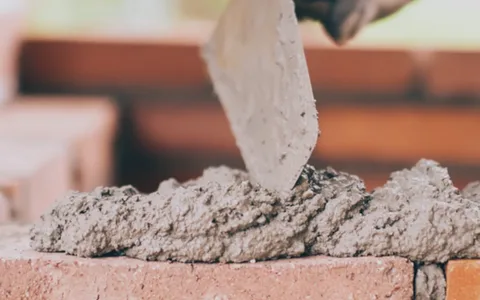
Cement in Construction is one of the most critical materials in the construction industry, forming the foundation of homes, commercial buildings, and large infrastructure projects. From small residential houses to highways, bridges, and high-rise developments, cement plays a central role in providing strength, durability, and long-term stability.
Without cement, modern construction as it exists today would not be possible, as it binds materials together and allows structures to stand safely for decades.
The Cement Production Process
Cement in Construction is produced mainly from limestone, clay, and other natural minerals. These raw materials are heated at extremely high temperatures in industrial kilns and then ground into a fine powder.
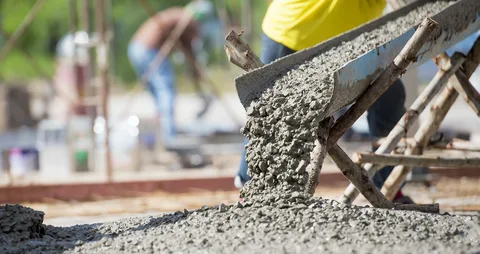
When cement is mixed with water, it forms a paste that binds aggregates such as sand and gravel, creating concrete. As this mixture cures and hardens, it gains impressive strength and becomes resistant to moisture, pressure, and environmental stress.
Advantages of Using Cement in Construction
Long-Term Structural Stability
One of the key reasons Cement in Construction is so widely used is its ability to provide long-term structural stability. Buildings constructed with quality cement can withstand heavy loads, daily wear, and harsh weather conditions.
This makes cement suitable for both residential and commercial construction projects. In areas with extreme climates, cement-based structures offer reliability and safety that alternative materials often cannot provide.
Cost-Effectiveness
Another major advantage of Cement in Construction is its cost-effectiveness. Compared to many modern construction materials, cement offers an excellent balance between price, availability, and performance.
Because it is produced locally in many regions, including Pakistan, transportation costs remain manageable. This affordability allows cement to be used in everything from small housing projects to large-scale infrastructure developments.
Versatility in Application
Cement is also valued for its versatility. Different types of Cement in Construction are designed for different construction needs, such as rapid hardening cement, sulfate-resistant cement, and blended cement.
Each type serves a specific purpose and performs better under certain conditions. Understanding these variations helps builders select the right product for safety, durability, and efficiency.
Durability and Maintenance
Durability is another reason cement remains essential in construction. Cement-based structures are resistant to fire, moisture, and temperature changes, which reduces long-term maintenance costs. This durability is especially important in urban areas where buildings are exposed to pollution, vibration, and constant use. Strong cement structures maintain their integrity over long periods.
Importance of Market Awareness
For homeowners, builders, and contractors, staying informed about cement quality and market prices is extremely important. Cement prices often change due to factors such as fuel costs, production demand, and economic conditions. Without accurate information, project budgets can quickly become unbalanced, leading to delays and additional expenses.
Reliable online platforms help simplify this process by offering updated and transparent information. GharHub provides updated cement prices in Pakistan, along with brand details and helpful guidance for buyers. Whether someone is planning a small home or managing a large project, access to accurate data supports better decision-making.
Choosing the Right Type of Cement in Construction
Choosing the right Cement in Construction involves more than selecting a brand or comparing prices. Factors such as environmental exposure, structural requirements, and project timelines must be considered. Using the correct cement improves safety, enhances durability, and reduces future repair costs.
Quality Control in Cement Usage
Another important aspect of cement usage is quality control during storage and application. Improper storage can lead to moisture absorption, which reduces cement strength before it is even used. Similarly, incorrect mixing ratios or poor curing practices can weaken concrete and shorten the lifespan of a structure.
Skilled labor, proper supervision, and adherence to construction standards are essential to achieve optimal results. Regular testing and inspections also help ensure that cement performs as expected throughout the construction process, protecting both investment and safety.
Sustainability in Cement in Construction Production
As sustainability becomes increasingly important, cement manufacturers are also exploring eco-friendly alternatives and production methods. Blended cements and energy-efficient processes help reduce environmental impact while maintaining performance.
Awareness of these developments allows builders to make responsible choices that support both construction quality and environmental protection in the long term.
Conclusion: Making Informed Decisions for Cement in Construction
Ultimately, informed best material selection, proper handling, and trusted information sources play a vital role in successful construction projects of every scale and purpose.
Careful planning and informed decisions ensure stronger structures, reduced costs, and long-lasting results for builders, homeowners, and communities alike across residential, commercial, and public infrastructure development projects worldwide today.