




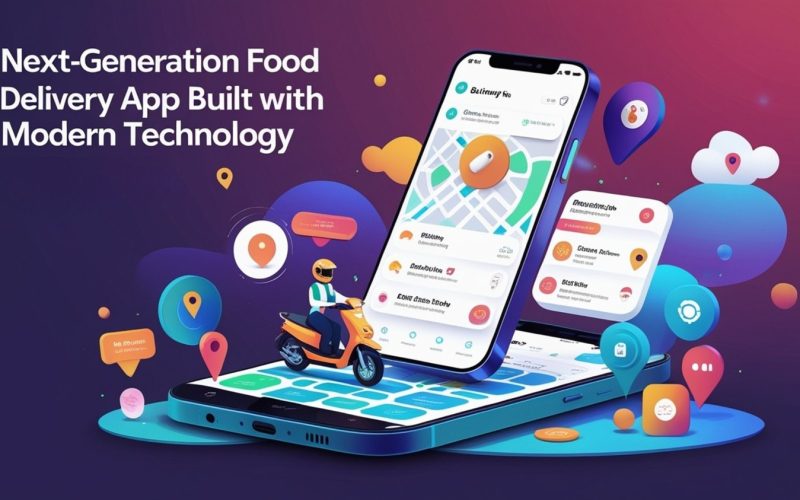
In recent years, the food delivery industry has undergone a remarkable transformation, driven by advances in technology and shifting consumer behaviors. Next-generation food delivery apps are emerging, utilizing innovative tools and solutions that enhance convenience, efficiency, and user experience.
These modern platforms not only meet the growing demand for quick meals but also address sustainability concerns and support local businesses. This article explores the key technologies propelling these innovations, examines enhancements in user experience, and highlights future trends shaping the food delivery landscape.
Overview of Next-Generation Food Delivery Apps
Evolution of Food Delivery Services
Food delivery has evolved significantly, moving away from the traditional model of calling in takeout orders. With the rise of smartphones, the industry has transformed into a dynamic digital platform offering diverse culinary choices. Today, the landscape features an array of delivery options supported by an ever-growing gig economy of delivery drivers. This advancement has turned food delivery into a multi-layered experience that caters to changing consumer preferences.
Current Market Landscape
The present-day food delivery market resembles a bustling food court, overflowing with options as new players continually enter the scene. Major platforms like Uber Eats and DoorDash vie for dominance, while niche apps focusing on specialized diets or local favorites are emerging. With consumer demand skyrocketing, competition is intense. Customers now expect speedy, reliable service and a wide variety of culinary choices, compelling next-gen food delivery apps to deliver standout experiences.
Key Technologies Driving Innovation
Artificial Intelligence and Machine Learning
Artificial intelligence (AI) and machine learning (ML) are crucial in the development of next-gen food delivery apps. These technologies analyze user data to predict orders, optimize delivery routes, and suggest new items based on individual preferences. This level of personalization transforms the user experience, ensuring that your food arrives quickly and tailored to your tastes.
Real-Time Tracking and Logistics Solutions
Mobile Application Development Frameworks
The development of food delivery apps has been revolutionized by modern frameworks like React Native and Flutter. These tools enable developers to create elegant, high-functioning apps that operate seamlessly on both iOS and Android. Rapid development cycles mean that features and updates can be rolled out quickly, enhancing the user experience consistently across devices.
User Experience Enhancements
Personalization and Customization Features
Next-gen food delivery apps are focusing heavily on personalization. With advanced AI, users can receive tailored recommendations and customize their orders to their exact specifications. This level of customization not only enriches the user experience but also fosters loyalty, as customers feel a deeper connection to the service.
Seamless Payment Options
Convenience is key in food delivery, and modern apps are streamlining the payment process. Many platforms now offer seamless integrations with digital wallets and one-click checkout options, making it easier than ever to complete an order. Loyalty rewards and promotions amplify the appeal, adding extra value to the diner’s experience.
User-Friendly Interface Design
Sustainability and Ethical Practices
Eco-Friendly Packaging Solutions
With climate change at the forefront of consumers’ minds, next-gen food delivery apps are adopting eco-friendly packaging. These include biodegradable containers and compostable utensils, reducing the environmental impact of taken-out meals. By championing sustainability, these platforms contribute to a greener planet while keeping food deliciously wrapped.
Supporting Local and Sustainable Suppliers
Modern food delivery services are increasingly prioritizing partnerships with local and sustainable suppliers. This not only supports local economies but also minimizes carbon footprints by reducing transportation distances. Consumers can enjoy dishes made from locally sourced ingredients, fostering a sense of community connection with every meal.
Reducing Food Waste Initiatives
Food waste is a pressing global issue, and many new food delivery platforms are taking assertive steps to tackle it. By collaborating with food banks or offering discounts on soon-to-expire items, they facilitate responsible consumption. This initiative not only benefits users financially but also contributes positively to environmental sustainability.
Integration with Local Businesses
Partnership Models with Restaurants
Next-generation food delivery apps serve as a bridge between consumers and local culinary delights. Through various partnership models—such as revenue-sharing agreements—restaurants can increase their visibility while maintaining profitability. These collaborations enhance consumer choice and create a win-win situation for all parties involved.
Promoting Local Food Culture
These platforms do more than just deliver food; they act as channels for local culinary culture. By highlighting seasonal ingredients and unique culinary traditions, food delivery apps connect users to their communities.
Safety and Security Features
User Data Protection Measures
In an era where cyber-security is paramount, food delivery apps must prioritize user data protection. Employing advanced encryption methods and security protocols, these services ensure that customers’ personal information remains secure. Features like biometric logins and two-factor authentication further enhance user safety.
Order Verification and Safety Protocols
Safety doesn’t just pertain to user data; it extends to food quality as well. Robust order verification processes ensure that every meal meets health and safety standards. By collaborating with restaurants to enforce strict hygiene practices, apps guarantee that customers receive food that is not only delicious but also safe to eat.
Future Trends in Food Delivery Services
Emerging Technologies on the Horizon
As technology evolves at an unprecedented pace, the food delivery landscape is set for exciting advancements. From AI-enhanced recommendation systems to drone deliveries, innovation is redefining the sector. Concepts like augmented reality (AR) may soon allow users to visualize their meals in 3D before placing their orders.
Changing Consumer Preferences
Modern consumers have evolving tastes and preferences, demanding not only convenience but also ethical and sustainable practices. Increased interest in plant-based options and locally sourced ingredients means that food delivery apps need to stay attuned to these trends. Platforms that prioritize sustainability and community ties will stand to gain in this competitive landscape.
Conclusion: A Flavorful Future Awaits
Next-generation food delivery apps are not just about convenience; they’re revolutionizing how we enjoy meals while forging connections within local communities. By leveraging cutting-edge technologies and maintaining a focus on sustainability, these platforms are meeting and exceeding modern consumer expectations. As the industry continues to evolve, it’s clear that innovation will play a crucial role in shaping the future of food delivery.
So, as we look to the horizon, it’s an exciting time for both users and providers in this rapidly transforming landscape. The journey ahead promises not just advancements in technology, but also a deeper connection to the food we love and the communities we cherish.