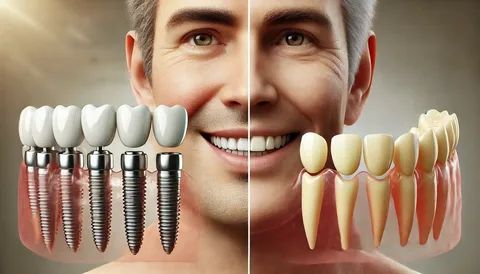
The All-on-6 dental implant procedure has transformed modern dentistry, offering a secure and long-lasting solution for individuals with missing or failing teeth.
While the surgery itself is a significant milestone, the recovery phase plays an equally vital role in ensuring successful results. Understanding what happens during healing can help patients feel more confident, prepared, and motivated to follow professional guidance.
This article explores each stage of the recovery process, outlining practical steps to support healing, reduce discomfort, and protect your new smile for years to come.

What to Expect Immediately After All-on-6 Surgery
Following All-on-6 surgery, it is normal to experience mild to moderate discomfort. Most patients leave the clinic on the same day with a temporary fixed prosthesis, allowing them to smile and function while healing begins.
Common post-surgical experiences include:
- Swelling around the cheeks and jaw
- Minor bleeding for the first 24 hours
- A feeling of tightness or pressure
- Mild bruising near the implant sites
These symptoms typically peak within the first two days and gradually improve. Dentists provide clear post-operative instructions to manage discomfort and protect the implants during this crucial phase. Any severe pain, prolonged bleeding, or fever should be reported promptly.
The First 72 Hours: A Critical Healing Phase
The initial 72 hours after surgery are essential for setting the foundation for long-term success. Rest is vital during this period, and physical exertion should be kept to a minimum.
Key recovery steps include:
- Taking prescribed pain relief and antibiotics exactly as directed
- Applying cold compresses intermittently to reduce swelling
- Keeping the head elevated while resting
- Avoiding smoking, alcohol, and hot beverages
Oral hygiene should be gentle, avoiding the surgical area unless instructed otherwise. This careful approach helps prevent infection and supports early tissue healing.
Nutrition and Diet Guidelines for Optimal Recovery
Diet plays a crucial role in recovery, particularly in protecting the implants while they integrate with the jawbone. During the early healing phase, a soft-food diet is essential.
Recommended foods include:
| Suitable Foods | Foods to Avoid |
| Smooth soups | Hard or crunchy foods |
| Mashed vegetables | Sticky or chewy items |
| Yoghurt and soft cheese | Spicy or acidic foods |
| Scrambled eggs | Nuts and seeds |
Patients receiving dental implant Bristol treatments are often advised to maintain a nutrient-rich diet to support bone healing and overall recovery. Adequate hydration and protein intake are especially important for tissue repair.
Oral Care During the Healing Process
Maintaining oral hygiene without disturbing the implants requires balance and care. Dentists typically recommend gentle cleaning techniques during the early stages.
Helpful oral care tips:
- Rinse with warm salt water or a prescribed mouthwash
- Use a soft-bristled toothbrush around non-surgical areas
- Avoid vigorous rinsing or spitting in the first few days
As healing progresses, patients gradually resume normal brushing routines under professional guidance. Clinics specialising in All on 6 Dental Implants Bristol often provide tailored hygiene plans to ensure implant stability and gum health.
Long-Term Healing: Weeks to Months After Surgery
Beyond the initial recovery phase, the focus shifts to osseointegration the process where implants fuse with the jawbone. This phase can take several months and determines the long-term success of the treatment.
During this period:
- Temporary prosthetics may be adjusted for comfort
- Follow-up appointments monitor healing progress
- Final prosthetic teeth are planned and fitted
Patients who choose Dental Implant Bristol services benefit from structured aftercare schedules, ensuring potential issues are addressed early and healing remains on track.
Common Recovery Challenges and How to Avoid Them
Although All-on-6 implants have high success rates, complications can occur if post-operative care is neglected.
Potential challenges include:
- Infection caused by poor oral hygiene
- Implant stress from chewing hard foods too soon
- Delayed healing due to smoking or unmanaged medical conditions
Warning signs such as persistent swelling, pain, or loosening of the prosthesis should never be ignored. Those undergoing all on 6 dental implants Bristol treatments are encouraged to maintain regular reviews to reduce risks and ensure lasting outcomes.
Tips for a Faster and More Comfortable Recovery
A smooth recovery is often the result of consistent, mindful habits. Small lifestyle adjustments can significantly improve comfort and healing speed.
Helpful tips include:
- Prioritising quality sleep
- Managing stress levels
- Attending all scheduled check-ups
- Following dietary and hygiene guidance closely
Patients who actively engage in their recovery process often experience better long-term results and higher satisfaction with their new smile.
Managing Swelling and Bruising During Recovery
Swelling and bruising are common after All-on-6 surgery and vary from patient to patient. These symptoms are a natural response to surgical intervention and usually subside within a week when managed correctly.
To minimise swelling and bruising:
- Apply cold compresses for short intervals
- Avoid bending or heavy lifting
- Stay well hydrated
- Follow medication instructions carefully
Proper management helps improve comfort and supports faster visual recovery.
The Importance of Follow-Up Appointments
Follow-up appointments are a vital part of the All-on-6 healing journey. These visits allow dentists to monitor progress, identify potential issues early, and ensure the implants are integrating correctly.
During follow-up visits:
- Healing tissues are assessed
- Prosthetic adjustments are made if needed
- Oral hygiene techniques are reviewed
Skipping appointments can delay recovery or compromise results, making regular check-ups essential for long-term success.
Frequently Asked Questions About All-on-6 Recovery
How long does recovery take? Initial healing occurs within two weeks, while full integration may take several months.
Is pain normal after surgery? Mild discomfort is expected and manageable with prescribed medication.
When can I return to work? Many patients resume light work within a few days, depending on comfort levels.
Can implants fail during healing? Failure is rare and usually linked to poor aftercare or underlying health factors.
Conclusion
All-on-6 implant recovery is a structured process that rewards patience, consistency, and professional guidance. By understanding each stage of healing and following recommended care routines, patients can protect their investment and enjoy long-lasting results.
With expert support and a commitment to aftercare, providers like Smilo Dental Implant Bristol help patients transition smoothly from surgery to a confident, healthy smile.