





Payroll management for small business owners is about more than paying people on time. It affects cash flow, employee trust, and legal compliance. One missed filing or small error can lead to penalties that cost far more than the payroll itself.
This guide explains how payroll management works, what small businesses must comply with, and the best practices that keep payroll accurate and stress free.
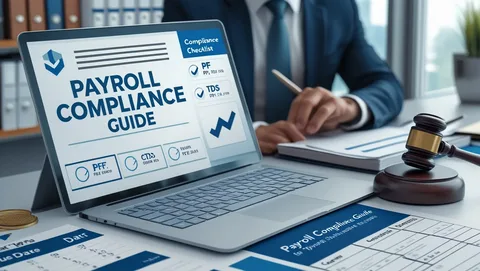
Payroll management covers everything involved in paying employees correctly and legally. This includes calculating wages, withholding taxes, filing payroll reports, and keeping proper records.
For small businesses, payroll management usually includes:
- Employee setup and classification
- Time tracking and wage calculation
- Payroll tax withholding and payments
- Filing required payroll reports
- Maintaining payroll records
Payroll is not just an HR task. It is a compliance function tied directly to your finances.
Core Payroll Processes Every Small Business Must Follow
Strong payroll starts with clear and repeatable processes.
Employee Onboarding and Payroll Setup
Each employee must be set up correctly from day one. This includes tax forms, pay rates, and payment methods. Errors at setup often create long-term payroll issues.
Time Tracking and Pay Calculation
Accurate time tracking ensures employees are paid correctly and helps avoid wage disputes. This is especially important for hourly and overtime workers.
Payroll Processing and Approvals
Payroll should follow a consistent schedule with clear approval steps. This reduces last-minute errors and missed deadlines.
Pay Schedules and Payment Methods
Small businesses must follow state rules for pay frequency. Direct deposit is common, but records must still be maintained.
Payroll Compliance Requirements for Small Businesses
Payroll compliance is where many small businesses struggle.
Federal Payroll Compliance Basics
Small businesses must withhold and pay federal taxes such as income tax, Social Security, and Medicare. These amounts must be reported and paid on time.
State and Local Payroll Requirements
States may require additional taxes, filings, and labor law compliance. Rules vary by location and must be monitored regularly.
Payroll Tax Filings and Deadlines
Payroll filings may be weekly, monthly, quarterly, or annual. Missing a deadline often results in penalties and interest.
Record keeping and Documentation
Payroll records must be kept for several years. Proper documentation protects your business during audits or disputes.
Common Payroll Mistakes Small Businesses Make
Payroll problems usually come from small oversights that repeat over time.
Common mistakes include:
- Misclassifying employees and contractors
- Filing payroll taxes late
- Manual calculation errors
- Poor record retention
These issues increase compliance risk and waste valuable time.
Payroll Taxes Explained for Small Business Owners
Payroll taxes are one of the biggest cash obligations for small businesses.
Employer vs Employee Payroll Taxes
Employees pay income tax and their share of payroll taxes. Employers are responsible for matching certain taxes and paying additional employer taxes.
Withholdings and Deductions
Withholdings must be calculated correctly every pay period. Incorrect withholding leads to employee issues and tax adjustments later.
Quarterly and Annual Payroll Filings
Most small businesses file quarterly payroll reports and annual summaries. Accuracy here is critical to avoid IRS notices.
Penalties for Non-Compliance
Late or incorrect filings can trigger fines quickly. Payroll penalties often add up faster than income tax penalties.
Best Practices for Efficient Payroll Management
Reliable payroll does not require complexity. It requires consistency.
Best practices include:
- Standardizing payroll procedures
- Using payroll calendars and reminders
- Reviewing payroll reports regularly
- Reconciling payroll with bank records
- Keeping payroll data secure
These habits reduce errors and improve confidence in your numbers.
Payroll Software vs Payroll Services
Small businesses often choose between software and professional services.
When Payroll Software Is Enough
Software works well for very small teams with simple payroll needs. Owners must still manage filings and compliance.
Limitations of DIY Payroll
Software does not prevent classification errors, missed filings, or compliance mistakes. The responsibility remains with the business owner.
Benefits of Professional Payroll Management Services
Professional payroll management services handle filings, compliance, and reporting. This reduces risk and saves time without adding internal staff.
When Small Businesses Should Outsource Payroll Management
Outsourcing payroll makes sense when:
- Payroll takes too much owner time
- Compliance rules feel overwhelming
- Errors or penalties have occurred
- The business is growing
Outsourced payroll provides accuracy and peace of mind at a predictable cost.
How Strong Payroll Management Supports Business Growth
Effective payroll management helps small businesses:
- Avoid penalties and compliance issues
- Improve cash flow planning
- Build employee trust
- Free up time for operations and growth
When payroll runs smoothly, owners can focus on running the business instead of fixing mistakes.
Final Thoughts
Payroll management for small business owners is not optional and it is not something to handle casually. Clear processes, strong compliance, and regular reviews make payroll predictable instead of stressful.
If payroll feels like a constant problem, it may be time to improve your systems or get professional support. Getting payroll right protects your business and supports long-term growth.