




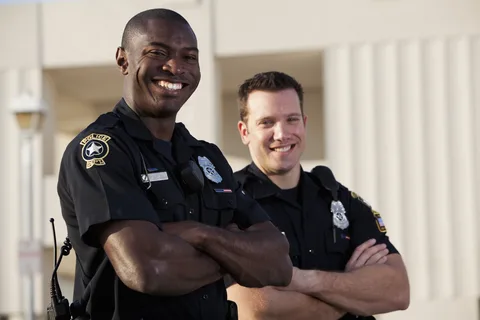
In communities across the United States, law enforcement officers are at the frontline of ensuring public safety. Yet, behind each badge are human beings facing constant pressure, emotional strain, and logistical challenges.
Increasingly, research and real-world results are pointing to one consistent truth: when police departments invest in structured support systems—mental health resources, community partnerships, and technological tools—officer performance improves, community trust grows, and incidents of misconduct and burnout decrease.
From peer support units and wellness programs to community engagement strategies and trauma-informed leadership, these support systems are transforming daily policing outcomes.
The role of officer resilience becomes central in this discussion, as mental and emotional well-being significantly influences decision-making, situational awareness, and communication in high-stress environments.
Key Points
- Support systems range from mental health services to technological tools and policy reforms.
- These systems not only benefit officers but also enhance community relations and trust.
- Agencies that prioritize resilience and wellness see fewer incidents, improved morale, and greater retention.
- Technology, data analytics, and community co-production models are emerging as crucial support structures.
- Building resilient police departments requires cultural change, leadership buy-in, and sustained investment.
The Pressures of Modern Policing
Modern policing is more complex than ever before. Officers are expected to serve as first responders to mental health crises, community mediators, and enforcers of the law—all while being recorded and scrutinized in real time.
This intense environment places considerable psychological and physical burdens on officers.
According to the National Alliance on Mental Illness (NAMI), nearly 1 in 4 police officers have thoughts of suicide at some point in their life, compared to 1 in 14 in the general population.
Chronic stress, repeated exposure to trauma, and lack of systemic support contribute significantly to these statistics.
Types of Support Systems That Make a Difference
1. Officer Wellness and Mental Health Programs
A robust wellness framework begins with acknowledging that officers need mental health care just as much as physical protection. Groundbreaking initiatives like peer counseling, critical incident debriefing, and embedded psychologists can provide continuous support.
Departments such as the LAPD and NYPD have implemented officer wellness programs that proactively provide services before a crisis occurs.
These include regular check-ins, confidential counseling, and stress management training. Proper wellness initiatives help improve job satisfaction and reduce instances of excessive force or withdrawal due to mental strain.
2. Community-Oriented Policing
When support extends beyond the department to the community, policing becomes a collaborative effort. Community-oriented policing models encourage residents and officers to co-develop strategies for safety and crime prevention.
For instance, programs that embed officers in schools or neighborhood councils help foster trust and facilitate early interventions.
These partnerships also offer officers a support network outside of their department, distributing the responsibility of public safety across the community.
3. Leadership and Organizational Culture
Leadership plays a pivotal role in whether support systems flourish or fail. Leaders who prioritize psychological safety, open communication, and integrity create environments where officers feel empowered to seek help and grow.
Progressive police chiefs are now incorporating trauma-informed leadership training to help supervisors recognize behavioral signs of stress or burnout. This shift in leadership philosophy can trickle down to affect every interaction on the street.
4. Training and Education
Support also comes in the form of knowledge. Training programs focusing on de-escalation, racial and cultural awareness, and crisis intervention can equip officers with the soft skills necessary for complex situations.
Departments that integrate scenario-based training are finding that officers are better prepared to assess situations calmly and react with appropriate force levels. Ongoing education fosters adaptability and confidence.
5. Technological Tools
Digital solutions—from body-worn camera analytics to AI-driven dispatch support—are offering a new layer of infrastructural support.
These technologies can reduce cognitive load, flag critical incidents for review, and provide real-time data to assist with tactical decision-making.
When implemented responsibly, technology can serve as both a protective shield and a performance enhancer, allowing officers to focus more on human interaction and less on administrative burden.
Real-World Examples of Support Systems in Action
Minneapolis’ Office of Violence Prevention
In the wake of heightened community tensions, Minneapolis launched the Office of Violence Prevention (OVP), which partners with local organizations to mediate conflicts before they escalate into violence.
This relieves street officers of pressures that may not require policing and allows coworkers from health and social services to intervene when appropriate.
Camden, New Jersey’s Departmental Overhaul
Camden transformed its police department by disbanding and rebuilding it with new policies centered around community policing and officer accountability.
Integral to this transformation was the introduction of regular wellness assessments, community engagement metrics, and transparent performance evaluations. Violent crime dropped, and community satisfaction rose sharply.
Seattle’s Crisis Intervention Team
Seattle’s Crisis Intervention Team (CIT) model pairs mental health professionals with specially-trained officers to respond to mental health calls.
This interdisciplinary support system reduces the risk of excessive force and improves outcomes for both officers and civilians.
Challenges in Implementing Support Systems
Despite the benefits, implementing support systems isn’t without challenges. These include:
- Budget Constraints: Funding wellness programs and tech platforms requires upfront investment, which not all departments can afford.
- Cultural Resistance: In some departments, stigma around seeking help remains strong. Officers may fear being seen as weak or unfit.
- Lack of Leadership Buy-In: Without leadership prioritization, support systems struggle to gain traction or see meaningful integration.
- Policy Misalignment: If support systems are not backed by policy changes, they may become symbolic rather than impactful.
Strategies for Building Resilient Support Systems
Building out effective support structures means taking a holistic, long-term approach. Here are some best practices:
- Normalize Mental Health Care: Integrate wellness checks into standard operational procedures and ensure confidentiality to reduce stigma.
- Invest in Leadership Development: Promote leaders who value officer well-being and community collaboration.
- Use Data to Drive Policy: Collect and analyze data on use-of-force incidents, mental health calls, and community feedback to guide decisions.
- Collaborate Across Sectors: Form partnerships with public health agencies, schools, and non-profits to share responsibility and resources.
- Empower Officers Through Training: Training in mental health first aid, implicit bias, and cultural competency prepares officers for diverse situations.
Conclusion
Support systems are not just beneficial—they are essential in improving the daily realities of policing in the United States. From fostering officer resilience to enhancing community relationships, the right structures can redefine what effective law enforcement looks like.
As public expectations evolve and challenges grow more complex, departments equipped with comprehensive support mechanisms will be better positioned to serve and protect with integrity, empathy, and effectiveness.
Frequently Asked Questions (FAQ)
What are support systems in policing?
Support systems in policing include programs, policies, and tools designed to aid officers in handling psychological stress, improving decision-making, and fostering community partnerships.
These can include mental health services, leadership training, community engagement strategies, and technology platforms.
Why is officer wellness important?
Officer wellness is crucial because it directly impacts performance, judgment, and public interaction.
Mentally and emotionally healthy officers are less likely to escalate situations, more likely to make sound decisions, and better equipped to serve communities effectively.
How do support systems affect community-police relations?
Support systems that emphasize transparency, collaboration, and mutual respect help build trust between communities and police.
When residents see officers operating with empathy and accountability, they are more likely to cooperate and engage positively.
What role does leadership play in support systems?
Leadership is foundational. Leaders set the tone for departmental culture. Supportive leadership encourages wellness, endorses ongoing learning, and models behaviors that prioritize mental health and community partnership.
Are support systems expensive to implement?
While some systems require initial investment, many programs can be phased in or subsidized through grants and partnerships. Importantly, the long-term benefits—reduced turnover, fewer lawsuits, better community outcomes—often outweigh the costs.
Can small police departments adopt these systems?
Yes. Small departments can scale solutions to fit their size and leverage regional collaborations with mental health agencies, local government, and nonprofits to support implementation.