






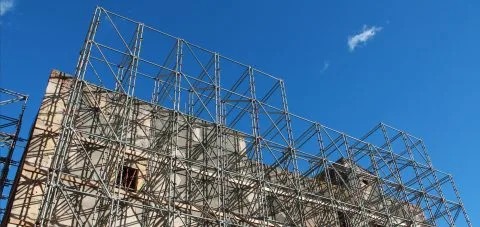
Urban landscapes are filled with aging structures that were built decades ago under very different standards. Over time, weather, usage, and material fatigue reduce their strength.
Building rehabilitation focuses on restoring safety, usability, and durability without demolishing the entire structure. People searching for solutions usually want to fix cracks, leakage, corrosion, or load issues while keeping costs practical and minimizing disruption to daily life.
How Aging Structures Lose Strength Over Time
Buildings slowly deteriorate due to environmental exposure, vibration, poor drainage, and outdated construction practices. Moisture penetration weakens concrete, steel reinforcement corrodes, and small cracks expand into structural concerns.
Building rehabilitation addresses these hidden problems before they become dangerous. This approach helps property owners extend building life while avoiding sudden failures that can result in safety risks and expensive emergency repairs.
Difference Between Repair, Restoration, and Rehabilitation
Many people confuse basic repairs with full building rehabilitation. Repairs usually fix visible damage, while restoration focuses on aesthetics or heritage value. Rehabilitation goes deeper by improving structural performance and functionality.
It upgrades the building to meet current safety expectations without altering its original character. This distinction matters for owners searching for long-term solutions instead of temporary fixes that may fail again.
Signs That Indicate Immediate Attention Is Needed
Visible cracks, falling plaster, water seepage, rust stains, and uneven floors are warning signs. These issues often indicate deeper structural distress.
Building rehabilitation becomes necessary when minor repairs no longer solve recurring problems. Property owners searching online often want to understand whether their building is safe to occupy or requires professional evaluation to prevent future hazards and financial losses.
Importance of Structural Assessment Before Rehabilitation
A proper assessment forms the foundation of successful building rehabilitation. Engineers examine load paths, material conditions, and foundation stability. Non-destructive testing helps identify internal damage without breaking structural elements.
This step ensures solutions are targeted rather than guesswork. People searching for rehabilitation services usually want clarity on costs, risks, and outcomes, which depend heavily on accurate technical evaluation.
Common Structural Problems Addressed During Rehabilitation
Typical issues include concrete spalling, corrosion of reinforcement, foundation settlement, and beam or column distress. Building rehabilitation resolves these through strengthening techniques and material upgrades. Addressing these problems early prevents further deterioration.
Search intent here is practical: owners want their buildings to remain safe, compliant, and usable without unnecessary reconstruction or long-term disruption to occupants.
Role of Modern Materials in Rehabilitation Projects
Advancements in materials have transformed building rehabilitation outcomes. High-performance mortars, fiber-reinforced polymers, and protective coatings improve strength and durability. These materials are designed to work with existing structures rather than replace them. Property owners often search for long-lasting solutions that reduce future maintenance, making modern rehabilitation methods more appealing than traditional patchwork repairs.
Improving Safety Standards Through Rehabilitation
Older buildings were not designed for current load requirements or seismic considerations. Building rehabilitation upgrades structural capacity to handle modern usage. Strengthening critical elements improves resistance to stress and environmental forces. People searching for these services often want reassurance that their building meets present-day safety expectations, especially in high-density urban areas where risk levels are higher.
Addressing Water Seepage and Moisture Damage
Water ingress is one of the most common reasons people look for building rehabilitation solutions. Persistent moisture weakens concrete and accelerates steel corrosion. Rehabilitation strategies include sealing cracks, improving drainage, and applying protective treatments. These measures stop damage at its source. Search intent usually centers on preventing recurring leakage rather than repeatedly repainting or patching affected surfaces.
Rehabilitation as a Cost-Effective Alternative to Reconstruction
Demolition and reconstruction involve high costs, approvals, and long timelines. Building rehabilitation offers a practical alternative by extending the usable life of existing structures. It reduces material waste and preserves established communities. People searching for rehabilitation services are often balancing budget constraints with safety concerns, making rehabilitation an attractive middle path between neglect and complete redevelopment.
Sustainability Benefits of Rehabilitating Buildings
Reusing existing structures significantly reduces environmental impact. Building rehabilitation minimizes construction waste and lowers demand for new raw materials. Energy-efficient upgrades can also be integrated during the process. Search behavior shows growing interest in sustainable construction practices, especially among property owners who want responsible solutions without compromising structural integrity or long-term performance.
Importance of Skilled Expertise in Rehabilitation Work
Rehabilitation is not a trial-and-error process. Building rehabilitation demands technical knowledge, experience, and precision. Poor execution can worsen existing problems. Search intent here is trust-driven, as property owners want assurance that the work will genuinely improve safety and durability. Expertise ensures that solutions align with structural needs rather than surface-level fixes.
Long-Term Performance After Rehabilitation
A well-executed building rehabilitation project significantly improves structural lifespan. Regular monitoring and minor maintenance help sustain results. Buildings regain functionality and safety while retaining their original identity. People searching for rehabilitation information often want to know whether the investment will last, making long-term performance a key consideration when choosing rehabilitation over temporary repairs.
Rehabilitation for Residential and Commercial Buildings
Both residential societies and commercial properties benefit from building rehabilitation. Homes regain safety and comfort, while commercial buildings maintain operational continuity. Different usage patterns require tailored approaches. Search intent varies, but the core need remains the same: restoring structural reliability without interrupting daily activities more than necessary.
Planning a Rehabilitation Project the Right Way
Successful building rehabilitation starts with clear objectives, proper assessment, and phased execution. Coordination among stakeholders ensures smooth progress. People researching this topic want guidance on what to expect rather than technical jargon. A structured plan helps avoid surprises, control costs, and achieve outcomes that align with safety, usability, and long-term value.
Why Building Rehabilitation Is a Smart Investment
Choosing building rehabilitation protects both property value and occupant safety. It extends structural life while adapting old buildings to modern demands. As urban infrastructure continues to age, rehabilitation becomes a practical necessity rather than an option. Search interest reflects this shift, as more owners look for informed solutions that preserve assets instead of replacing them entirely.
Building rehabilitation is no longer just about fixing visible damage. It is a thoughtful process that restores strength, safety, and functionality to aging structures.
By addressing underlying structural issues, rehabilitation helps prevent future risks and extends the life of buildings without the cost and disruption of reconstruction. For property owners, it offers a balanced solution that protects value, ensures safety, and supports sustainable urban development.