
When planning a home renovation, one of the most important things homeowners should understand is the difference between structural and cosmetic changes. These two categories not only vary in complexity and cost but also require different levels of planning, expertise, and permissions from local authorities. Making the right distinction early helps you avoid unexpected delays, budget issues, and compliance problems. Partnering with a trusted Residential Construction Company in NJ ensures your home improvement decisions are safe, compliant, and long-lasting.
What Are Structural Changes?
Structural changes involve modifications that affect the stability, load-bearing capacity, or essential framework of your home. These are not surface-level improvements—they directly impact how your home stands, functions, and withstands external forces. Because of this, they require professional handling, careful design, and strict adherence to municipal codes.
Examples of Structural Changes
Structural changes typically involve:
-
Removing or altering load-bearing walls
Load-bearing walls support the weight of the structure above. Removing them requires additional beams or supports, engineering plans, and official approvals. -
Adding new rooms or extensions
Expanding the footprint of your home or constructing new rooms changes the original structural layout, often requiring foundation work and framing. -
Changing foundation elements
Modifying or repairing the foundation is one of the most significant structural tasks and must be handled by experts to prevent future settlement issues. -
Replacing structural beams or columns
These components support the weight of floors and roofs. Any replacement must be carefully engineered. -
Modifying roof structure
Converting a flat roof to a pitched one, adding skylights, or altering trusses all fall under structural modifications.
Why Structural Changes Require Expertise
Because structural work directly affects the safety and integrity of your home, it often requires:
-
Architectural drawings
-
Engineering approvals
-
Building permits
-
Compliance with New Jersey construction codes
-
Professional supervision during construction
Attempting such changes without expertise can lead to:
-
Serious safety hazards
-
Failed inspections
-
Legal issues or penalties
-
Poor workmanship requiring expensive fixes later
-
Compromised home value
This is why homeowners in New Jersey rely on licensed contractors and engineers who understand local regulations and can execute the work safely and efficiently.
What Are Cosmetic Changes?
Cosmetic changes, on the other hand, focus on appearance and upgrades that enhance your home’s look and comfort without affecting its structural stability. These updates are perfect for modernizing interiors, improving aesthetics, and boosting property value without extensive construction.
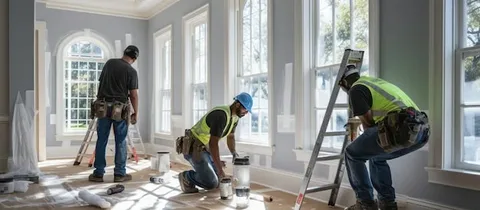
Examples of Cosmetic Changes
Common cosmetic updates include:
-
Painting walls or adding wallpapers
-
Changing flooring such as tiles, hardwood, or vinyl
-
Updating lighting fixtures for better aesthetics or efficiency
-
Installing new cabinetry in kitchens or bathrooms
-
Replacing countertops with materials like quartz, granite, or marble
-
Adding décor or trim such as crown molding, wainscoting, or accent walls
These changes are typically:
-
Faster to complete
-
Less expensive than structural modifications
-
Easy to reverse or modify
-
Less disruptive to everyday life
-
Usually not subject to building permits
Cosmetic improvements offer homeowners a cost-effective way to refresh their space without undergoing major construction.
Why the Difference Matters
Understanding whether your project is structural or cosmetic is crucial for several reasons:
1. Budget Planning
Structural changes—especially those involving beams, foundations, or extensions—are significantly more expensive than cosmetic improvements. They require skilled labor, engineering input, and detailed planning. Knowing the category helps you allocate your renovation budget wisely.
2. Legal & Permit Requirements
In New Jersey, most structural changes require building permits, inspections, and approval from the local municipality. Failing to obtain proper permits can lead to:
-
Fines
-
Stop-work orders
-
Problems during home resale
-
Insurance claim issues
Cosmetic changes, however, typically do not require permits, making them simpler to plan and execute.
3. Safety Considerations
Structural mistakes can compromise the entire house. Improper removal of load-bearing walls or incorrect roof modifications can lead to:
-
Sagging floors
-
Cracks in walls
-
Roof instability
-
Long-term structural damage
Working with a qualified Residential Construction Company in NJ ensures all safety standards are met.
4. Timeline Expectations
Structural projects naturally take longer due to the involvement of design professionals, permit approvals, inspections, and skilled labor. Cosmetic changes can be completed quickly, often within days or weeks, depending on the scope.
5. Home Value Impact
Both types influence property value, but in different ways:
-
Structural changes add long-term value by increasing space, stability, and functionality.
-
Cosmetic changes offer immediate visual appeal and help your home look modern and well-maintained.
A combination of both often leads to the highest return on investment.
How to Determine Which Type of Change You Need
If you’re unsure whether your renovation idea qualifies as structural or cosmetic, consider the following:
-
Does the change affect the support system of the home?
-
Will it require engineering or architectural plans?
-
Does it involve cutting into or altering load-bearing elements?
-
Is the change strictly about appearance?
-
Will the municipality require permits?
When in doubt, seek professional guidance. A licensed contractor can evaluate your project and clearly classify it to help you move forward confidently.
Final Thoughts
Both structural and cosmetic changes play an essential role in transforming a home. Structural modifications enhance safety, expand living space, and improve long-term functionality, while cosmetic updates refresh the atmosphere, improve aesthetics, and boost immediate appeal. Understanding the difference helps you plan better, stay within budget, and avoid unexpected challenges.
If you’re unsure where your planned renovation falls or need expert guidance, partnering with a skilled Residential Construction Company in NJ can help you assess your needs, stay compliant with local building codes, and achieve the best results. From planning and permits to design and construction, trusted professionals ensure your renovation is safe, efficient, and beautifully executed.
Thankyou: https://worldwidedigest.com/