





Introduction
As global industries continue to prioritize sustainability, efficiency, and digital transformation, the importance of energy optimization has reached a new peak. Businesses across sectors—manufacturing, real estate, hospitality, healthcare, and logistics—are under pressure to reduce their carbon footprint while maintaining profitability and operational excellence.
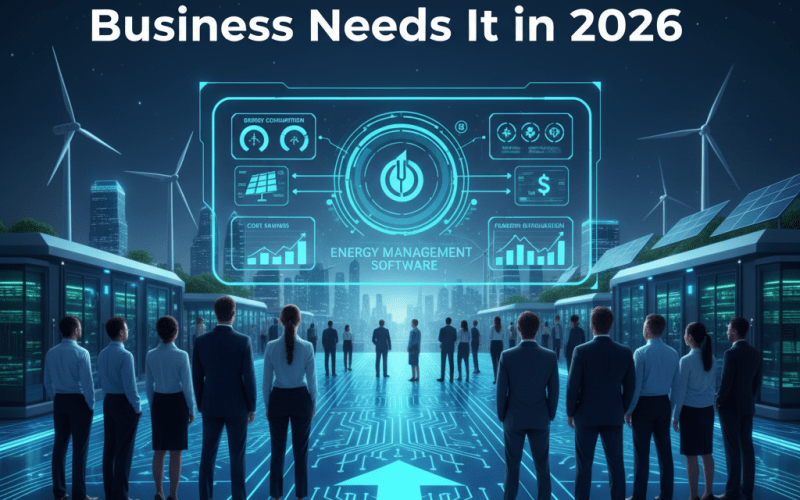
That’s where Energy Management Software (EMS) steps in. It empowers organizations to monitor, analyze, and optimize energy consumption using real-time data, intelligent automation, and predictive analytics. In 2026, as global energy demands grow and climate goals tighten, energy management software development will play a crucial role in helping companies stay compliant, competitive, and sustainable.
In this article, we’ll explore what energy management software is, how it works, its benefits, and why investing in custom energy management solutions in 2026 can drive both environmental impact and business growth.
What Is Energy Management Software?
Energy Management Software (EMS) is a digital platform that enables businesses to track, analyze, and control energy usage across various assets, facilities, or systems. It collects data from sensors, meters, and IoT devices, providing a centralized dashboard to monitor consumption patterns, detect inefficiencies, and suggest improvements.
An EMS goes beyond basic monitoring—it integrates with automation systems, renewable energy sources, and AI-driven analytics to deliver actionable insights that reduce waste and optimize energy performance.
In essence, energy management software transforms complex energy data into intelligent decisions, allowing businesses to save money, meet sustainability targets, and operate efficiently.
The Rising Importance of Energy Efficiency in 2026
The year 2026 will mark a pivotal shift in global energy trends. Businesses are facing growing regulatory pressure to cut emissions and adopt renewable energy solutions. The International Energy Agency (IEA) predicts that by 2026, digital technologies like AI, IoT, and cloud computing will account for a significant portion of industrial energy optimization.
Key reasons behind this growing focus include:
- Stricter government policies and ESG reporting
- Soaring energy prices and operational costs
- Corporate sustainability goals aligned with net-zero emissions
- Consumer demand for green and responsible brands
- Advances in renewable energy integration
Against this backdrop, investing in energy management software development is no longer a “nice-to-have” — it’s an essential step toward energy resilience and long-term business sustainability.
How Does Energy Management Software Work?
Energy management software typically follows a structured workflow involving data collection, analysis, and optimization. Here’s a breakdown of how it functions:
1. Data Collection
The system gathers real-time data from multiple sources such as smart meters, IoT sensors, HVAC systems, lighting units, and production lines.
2. Data Integration
Collected data is unified into a central platform, often connected with ERP or building management systems (BMS).
3. Real-Time Monitoring
Users can visualize consumption trends via dashboards and alerts. These insights help detect energy spikes, wastage, or anomalies instantly.
4. Analytics and AI Forecasting
AI and Machine Learning algorithms analyze usage patterns, forecast future demand, and recommend optimization actions.
5. Automation and Control
Some advanced systems automatically adjust power loads, lighting, or equipment operations to maintain optimal energy efficiency.
6. Reporting and Compliance
EMS platforms generate detailed reports for sustainability tracking, regulatory compliance, and ESG audits.
By integrating automation and analytics, modern EMS solutions allow companies to move from reactive energy management to predictive control, setting the stage for smarter, greener operations.
Key Features of a Modern Energy Management System
To maximize energy efficiency in 2026, businesses should look for EMS solutions that combine data intelligence, automation, and scalability. Some essential features include:
- Real-Time Energy Monitoring: Instant insights into energy usage at equipment, department, or facility levels.
- AI-Powered Analytics: Detects patterns, forecasts energy needs, and suggests optimization strategies.
- IoT Integration: Connects smart devices and sensors to automate power regulation.
- Carbon Footprint Tracking: Calculates CO₂ emissions and visualizes sustainability impact.
- Automated Alerts: Sends notifications for anomalies, equipment failures, or excessive consumption.
- Customizable Dashboards: Allows businesses to visualize energy KPIs in real time.
- Integration with Renewable Sources: Helps balance solar, wind, or grid energy inputs efficiently.
- Regulatory Compliance Reports: Simplifies documentation for government and sustainability standards.
A skilled energy management software development team can customize these features to align with your business model, ensuring the platform evolves as your energy goals expand.
Benefits of Energy Management Software for Businesses
Let’s explore how energy management software delivers measurable ROI across industries:
1. Cost Savings
By identifying energy wastage and inefficiencies, companies can reduce energy bills by up to 30%. Real-time monitoring ensures resources are used only when needed.
2. Sustainability and Carbon Reduction
EMS enables organizations to meet environmental targets by cutting emissions and integrating renewables. It’s a core pillar for achieving Net Zero commitments.
3. Data-Driven Decision Making
With detailed analytics and predictive modeling, companies can make strategic decisions about energy procurement, maintenance, and production planning.
4. Improved Operational Efficiency
Automation reduces manual monitoring efforts, freeing employees to focus on higher-value tasks.
5. Proactive Maintenance
AI-driven alerts help identify equipment inefficiencies or potential failures before they cause downtime.
6. Competitive Advantage
Brands that demonstrate eco-conscious operations attract environmentally aware customers and investors.
7. Compliance and Reporting
EMS solutions simplify ESG disclosures, making compliance with sustainability laws faster and more transparent.
In 2026, the businesses that integrate intelligent energy systems will not only cut costs but also strengthen their market positioning as responsible, tech-forward organizations.
Use Cases of Energy Management Software Across Industries
The applications of energy management software span multiple sectors:
- Manufacturing: Tracks energy usage across production lines, identifies inefficient machinery, and optimizes power loads.
- Commercial Real Estate: Monitors building energy consumption and automates HVAC, lighting, and elevators to lower utility bills.
- Hospitality: Hotels use EMS to manage lighting, water heating, and air conditioning—ensuring guest comfort while reducing waste.
- Healthcare: Hospitals can maintain critical system uptime while controlling excessive energy usage in labs and medical equipment.
- Utilities and Smart Cities: Municipal governments leverage EMS for sustainable urban planning, integrating smart grids and public infrastructure monitoring.
- Oil and Gas: Energy companies monitor operational energy usage and reduce inefficiencies in refineries and extraction sites.
The Role of AI and IoT in the Future of Energy Management
By 2026, AI and IoT will form the backbone of next-gen energy management systems.
Here’s how they’re transforming the space:
- AI Predictive Analytics: Forecasts future consumption and detects inefficiencies.
- IoT Sensors: Enable real-time data collection and device-level automation.
- Machine Learning Algorithms: Continuously improve performance by learning user patterns.
- Digital Twins: Simulate energy performance and predict future energy scenarios.
- Cloud Platforms: Allow seamless access to energy dashboards across devices and locations.
By combining AI-driven insights with IoT-powered automation, companies can maximize efficiency while maintaining sustainability compliance a critical advantage in 2026’s competitive energy landscape.
Why Businesses Need Custom Energy Management Software in 2026
While there are off-the-shelf EMS tools available, they often fall short of meeting unique business needs. That’s why organizations are increasingly opting for custom energy management software development.
Here’s why a custom-built solution is worth the investment:
- Tailored to your specific assets, equipment, and energy goals.
- Integrates seamlessly with existing ERP or IoT systems.
- Scalable to manage multiple facilities or global operations.
- Enhanced security and data privacy controls.
- Flexibility to add future AI, ML, or renewable energy modules.
A best app development company with experience in sustainability and industrial software can design an EMS that evolves with your energy objectives—whether you’re optimizing a single facility or managing a global infrastructure.
Choosing the Right Development Partner
When selecting a best app development company for your EMS project, focus on the following criteria:
- Experience in IoT and AI-based solutions
- Expertise in sustainability and green tech domains
- Ability to build scalable, cloud-based architectures
- Proficiency in integrating with existing systems (ERP, BMS, CRM)
- Strong data visualization and UI/UX design capabilities
- Ongoing maintenance and analytics support
Choosing the right energy management software development partner ensures that your system delivers measurable ROI, adapts to changing regulations, and provides long-term operational visibility.
The Future of Energy Management Software
The future of EMS will be driven by automation, intelligence, and decentralization. Here’s what to expect:
- AI-Powered Optimization: Self-learning systems that adapt to dynamic energy needs.
- Integration with Renewable Grids: Seamless management of solar and wind power sources.
- Blockchain for Transparency: Secure energy trading and verification of green credits.
- Remote Energy Management: Control and optimize multi-site operations from a single platform.
- Sustainability Analytics: Comprehensive dashboards that merge energy efficiency with ESG performance.
As organizations continue to digitize their operations, energy management software will become the command center for corporate sustainability and cost efficiency.
Conclusion
In 2026, energy management software will no longer be an optional investment—it will be a strategic necessity. As industries evolve toward smarter, greener operations, the ability to track, optimize, and automate energy consumption will define a company’s success.
By partnering with the best app development company specializing in energy management software development, your business can build a powerful system that delivers both economic and environmental impact—ensuring compliance, efficiency, and long-term sustainability.
Whether you manage factories, hotels, hospitals, or offices, the message is clear: Smarter energy management today means stronger business performance tomorrow.