






Introduction
The food industry is constantly evolving, not just in terms of flavors and menus but also in the way food is presented and delivered. One area that has seen significant transformation in recent years is restaurant wrapping trends. Whether it’s packaging for takeout orders, food delivery, or in-house presentations, the way food is wrapped and packaged plays a crucial role in enhancing customer experiences. In 2025, the restaurant industry is embracing new trends that reflect the growing demand for sustainability, convenience, and creativity in packaging.
From eco-friendly materials to eye-catching designs, the latest restaurant wrapping trends are redefining how food is presented to customers. In this article, we will explore these trends, discussing the innovative ways restaurants are wrapping their food and how these changes are transforming the food industry as a whole.
Latest Restaurant Wrapping Trends Transforming the Food Industry?
1. Sustainable and Eco-Friendly Materials
As sustainability becomes more important to consumers, restaurants are increasingly turning to eco-friendly wrapping materials. Traditional plastic and Styrofoam containers, which have long been used in the food industry, are being replaced by biodegradable, recyclable, and compostable alternatives.
Why This Trend Is Important:
The environmental impact of plastic waste is a growing concern. According to various reports, a large portion of plastic waste comes from the foodservice industry. By adopting sustainable packaging, restaurants are reducing their carbon footprint and contributing to global efforts to reduce plastic pollution.
Examples of Eco-Friendly Materials:
- Compostable Paper Wraps: Made from biodegradable materials, these wraps are ideal for sandwiches, burgers, and snacks.
- Plant-Based Plastics: Materials like PLA (polylactic acid), which are made from renewable resources like corn or sugarcane, are becoming popular as a more eco-friendly alternative to petroleum-based plastics.
- Edible Packaging: Some forward-thinking restaurants are experimenting with edible wraps made from ingredients like seaweed or rice paper. These wraps can be eaten along with the food, leaving behind no waste.
By making these eco-conscious choices, restaurants are appealing to environmentally aware customers while also reducing their overall environmental impact.
2. Personalized and Branded Packaging
In today’s competitive food industry, restaurants are finding creative ways to stand out—not just in their menus but in their packaging too. Personalized and branded packaging is one of the latest wrapping trends gaining momentum in the food industry.
Why This Trend Is Important:
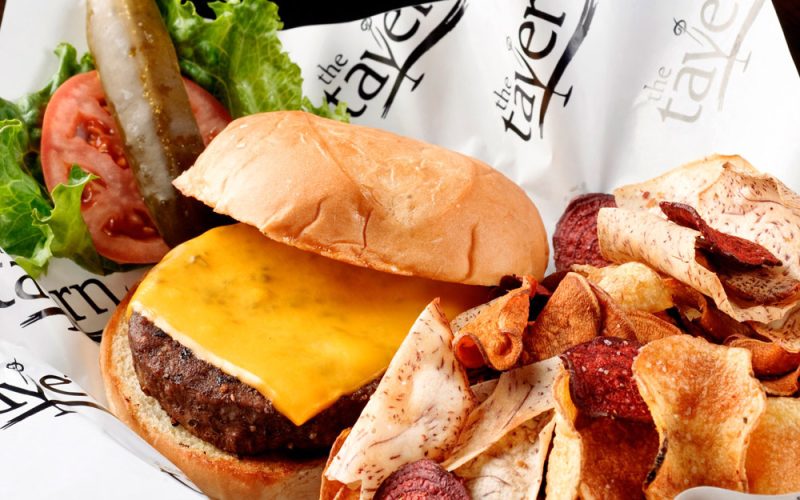
Customizing the packaging with logos, colors, and unique designs helps create a memorable experience for customers. Branded packaging also enhances brand recognition, providing an opportunity for restaurants to market themselves without being overly promotional.
How Restaurants Are Personalizing Packaging:
- Custom Prints: Many restaurants are investing in custom wrapping papers and bags that feature their logo, unique artwork, or a witty slogan. This makes the food feel more premium and helps build a connection with customers.
- Interactive Elements: Some restaurants are adding interactive elements to their packaging, such as QR codes that link to special promotions, menus, or even fun games. This engagement creates a more memorable experience for customers.
- Themed Wrapping: For special occasions like holidays or restaurant anniversaries, businesses are producing limited-edition wraps with thematic designs, adding to the excitement and buzz around their offerings.
This trend not only enhances the aesthetic appeal of food packaging but also strengthens customer loyalty and adds a touch of personality to the brand.
3. Innovative and Practical Designs for Convenience
As convenience becomes a priority for customers, restaurants are focusing on developing wrapping designs that are both practical and innovative. Whether it’s for takeout or delivery, ease of use is now a key factor in food packaging.
Why This Trend Is Important:
Consumers today lead busy lives and seek packaging that enhances their convenience, particularly when ordering food to-go or for delivery. Easy-to-carry, spill-resistant, and heat-insulated wraps are all features that make dining experiences more hassle-free.
Innovative Packaging Designs:
- Two-in-One Wrapping: Some restaurants are offering packaging that can be used for both serving and taking the food home. For instance, a pizza box that can transform into a serving tray or a sandwich wrap that doubles as a placemat.
- Leak-Proof Packaging: For sauces, soups, or juicy foods like burgers, leak-proof packaging has become a must-have feature. Restaurants are using airtight seals, waterproof coatings, and secure closure mechanisms to ensure that customers don’t have to deal with messy spills.
- Heat Retention: With the rise in food delivery services, packaging that retains heat has become increasingly popular. Insulated wraps and containers keep food warm during transportation, improving the overall dining experience.
By focusing on practicality and user-friendliness, restaurants can improve their customer service and create a smoother food delivery experience.
4. Minimalist and Aesthetic Wrapping
Minimalism is not just a design trend for interiors or fashion; it’s also making waves in the food packaging industry. Many restaurants are now opting for simple, elegant packaging that showcases the food without overwhelming it with excessive designs.
Why This Trend Is Important:
Minimalist packaging appeals to customers who appreciate clean, modern aesthetics. It also focuses on the quality of the food itself, allowing the dishes to speak for themselves. Simple, elegant wraps often feature neutral colors and subtle branding, allowing the food to shine.
Examples of Minimalist Designs:
- Brown Paper Bags or Kraft Paper Wraps: These materials offer a natural, rustic feel and can be customized with simple logos or text.
- Clear Containers: Transparent packaging allows customers to see the food, adding an element of transparency and reinforcing the quality of the dish.
- Simple Patterns or Solid Colors: Instead of using elaborate graphics, some restaurants opt for clean, solid-colored wraps or boxes, which can make the dining experience feel more refined and sophisticated.
This trend helps reinforce the idea that less is more, allowing the focus to be on the quality of the food rather than on flashy packaging.
5. Upcycled and Recycled Materials
Upcycling and recycling are becoming key trends not only in the food industry but also across other sectors. Many restaurants are looking for innovative ways to incorporate upcycled or recycled materials into their food packaging.
Why This Trend Is Important
Consumers are increasingly demanding sustainability in all areas of life, including food. By using upcycled materials or packaging made from recycled goods, restaurants can reduce their environmental impact and meet the expectations of eco-conscious customers.
Examples of Upcycled Materials in Food Packaging:
- Recycled Paper and Cardboard: Restaurants are using post-consumer recycled paper and cardboard to create packaging that is both eco-friendly and sturdy.
- Upcycled Plastic: Some restaurants are experimenting with upcycled plastic that would otherwise end up in landfills, helping to reduce plastic waste in the environment.
- Reusable Containers: Some restaurants are offering customers the option to return or reuse containers for future meals, reducing the need for single-use packaging altogether.
Upcycling and recycling are significant steps toward building a more sustainable food industry. This trend helps restaurants appeal to a growing market of environmentally conscious customers who value sustainability.
Conclusion
The latest restaurant wrapping trends are transforming the food industry by focusing on sustainability, convenience, and creativity. As the demand for eco-friendly and functional packaging grows, restaurants are stepping up with innovative solutions that not only reduce environmental impact but also enhance customer satisfaction.
Whether it’s through eco-friendly materials, personalized designs, or practical packaging, these trends are helping to shape the future of the foodservice industry. As consumers continue to prioritize sustainability and convenience, restaurants that embrace these wrapping trends will have a competitive edge in an increasingly crowded market.