





Introduction
Dubai’s rich cultural heritage shows centuries of skilled craftsmanship, trade, and changing architecture. As the city modernizes quickly, it’s more important than ever to document, protect, and restore its historic buildings.
In the past, restoration work used manual measurements and drawings. Today, experts use advanced technology like 3D scanning.
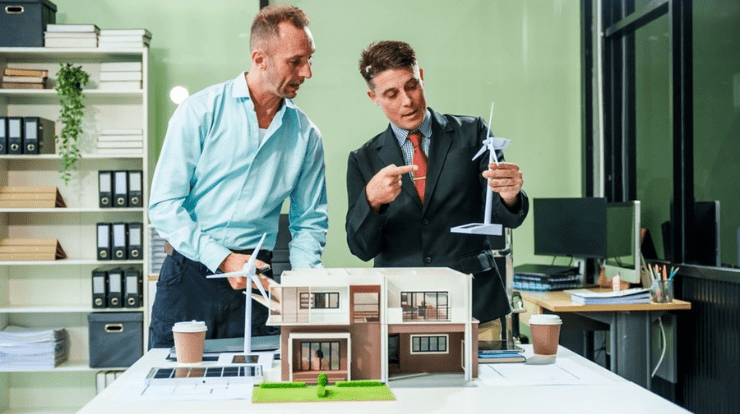
3D scanning has changed how heritage sites are preserved by making the process more accurate and efficient. When combined with architectural scale models, these scans help connect digital records with physical models, making sure Dubai’s history is kept safe for future generations.
Capturing Historical Accuracy through High-Resolution Data
3D scanning lets preservation teams capture every detail of old buildings. Using tools like laser scanners or photogrammetry, experts collect millions of data points that show the exact shape of walls, arches, and decorations.
In historic areas of Dubai, like Al Fahidi and Deira, this accuracy is very important to carefully document fragile buildings before starting restoration.
These scans create precise digital copies that show the real condition of every part. This helps designers build architectural scale models, so they can study the building’s size and texture without risking damage to the original site.
Supporting Digital Preservation and Long-Term Archiving
One of the main advantages of 3D scanning is its ability to create lasting digital archives. Cultural heritage sites in Dubai are often exposed to environmental factors such as humidity, sandstorms, and temperature fluctuations. Over time, these elements can cause deterioration that is hard to reverse.
With 3D scans, preservationists can store digital versions of entire structures, ensuring that detailed records remain available even if the original building changes or decays. These digital archives can later support physical restorations or the creation of architectural scale models Dubai for research and museum displays, keeping Dubai’s architectural history accessible to future generations.
Improving Restoration Planning and Design Efficiency
Before starting any physical restoration, careful planning is essential. 3D scans provide detailed data that form the foundation of precise restoration plans. These scans allow architects to see the current state of the building and identify issues like misalignments, cracks, or material loss.
In Dubai, where heritage buildings often use materials like coral stone, gypsum, and wood, understanding how these materials behave is crucial.
Using scan data, teams can pinpoint areas that need reinforcement and design restoration steps based on these findings. When combined with architectural scale models, these scans allow professionals to test and visualize restoration strategies before any physical work begins, ensuring better results.
Enhancing Collaboration Between Multidisciplinary Teams
Cultural restoration involves many different experts — architects, historians, engineers, and conservation specialists. It can be tough to communicate across these fields using only drawings or descriptions. 3D scans make collaboration easier by providing a clear, visual reference that everyone can access.
In Dubai, where many restoration projects involve international experts, digital scanning helps ensure everyone is on the same page. The scan data can be turned into physical architectural models, allowing teams to discuss changes, track progress, and make confident decisions throughout the restoration process.
Reconstructing Damaged or Lost Architectural Elements
Many historic buildings in Dubai have been partially damaged or lost due to time or urban growth. 3D scans help restore missing parts by comparing existing fragments with scanned data from similar structures.
This allows architects to digitally rebuild what’s been lost before creating physical models. For example, a collapsed wind tower or broken mashrabiya panel can be digitally modeled, refined, and recreated with great precision. Once finalized, these elements can be replicated in architectural scale models to visualize the restoration before applying them to the real site.
Integrating Modern Technology with Traditional Craftsmanship
Dubai’s heritage restoration blends modern technology with traditional artistry. While 3D scans provide precise measurements, local artisans contribute cultural authenticity through traditional materials and techniques. This partnership ensures that restored buildings maintain their historical spirit while meeting modern conservation standards.
When the scanned data is transformed into architectural scale models, artisans can study physical proportions and ornamental patterns, helping them recreate authentic details in real-world restorations. This combination of science and craft reinforces Dubai’s commitment to preserving cultural heritage with innovation and respect.
Reducing On-Site Risks During Restoration
Restoration sites can be fragile and hard to access, with old buildings sometimes having unstable walls or hidden weaknesses. 3D scanning allows teams to document every detail without physically touching the structure.
Laser scanners can capture data from a distance, minimizing the risk of causing further damage. This non-invasive approach is especially useful in Dubai’s older neighborhoods, where preservation requires extra care. The scan data can then be used for remote assessments, virtual walkthroughs, or physical architectural models that mimic real conditions, making planning and execution safer.
Enhancing Public Awareness and Museum Exhibitions
Beyond professional use, 3D scanning also helps the public connect with Dubai’s heritage. Digital reconstructions can be turned into physical displays or interactive exhibits at museums and cultural centers.
Visitors can explore miniature versions of historic sites, learning about architecture, craftsmanship, and history. These exhibits, often made from architectural scale models created from scanned data, offer a hands-on connection to Dubai’s past. This not only strengthens cultural identity but also supports tourism by showcasing the city’s commitment to preserving its heritage.
3D scanning also promotes sustainability by reducing waste and cutting down on trial-and-error. The detailed scans allow teams to plan restorations accurately, using fewer resources. In Dubai, where sustainability is a key goal, this technology helps save energy and reduce mistakes during restoration.
By combining digital scans with architectural models, project teams can test designs and structural changes before building, saving time and materials while ensuring precise restoration results.
Conclusion
3D scanning has transformed cultural restoration in Dubai, offering unmatched accuracy, fostering collaboration, and ensuring every detail of the city’s heritage is preserved. When paired with architectural scale models, 3D scans combine digital precision with physical representation.
This powerful synergy allows Dubai to protect its cultural landmarks while adopting advanced restoration methods. By blending technology with tradition, Dubai continues to honor its architectural legacy and share its rich history with the world.