





Introduction
In today’s fast-paced digital world, a strong online presence is no longer optional — it’s essential for every business, organization, and personal brand. Your website serves as the digital face of your identity, often creating the first impression for potential customers or clients. A well-designed website not only attracts visitors but also keeps them engaged, builds trust, and encourages meaningful interaction.
That’s where a Web Designer plays a vital role. A skilled designer combines creativity, technology, and strategy to create websites that are visually appealing, user-friendly, and high-performing. Whether it’s a corporate website, e-commerce platform, or personal portfolio, professional web design enhances credibility, improves user experience, and drives conversions.
Professional web design helps you:
- Create responsive and visually stunning websites
- Improve user experience and engagement
- Enhance online visibility and branding
- Build trust and credibility through design
- Turn visitors into loyal customers
What Is Digital Identity and Why Does It Matter?
Your digital identity is the online version of who you are as a brand or individual. It includes your website design, logo, colors, content, voice, and how you present yourself online. It influences how people think of you before they ever meet you in person.
A strong digital identity helps you grow, attract customers, and stand out from competitors. It also builds trust because people often judge a brand by how professional and easy-to-use the website is. If your digital identity is clear and memorable, visitors feel confident learning more about you.
What Does a Web Designer Do?
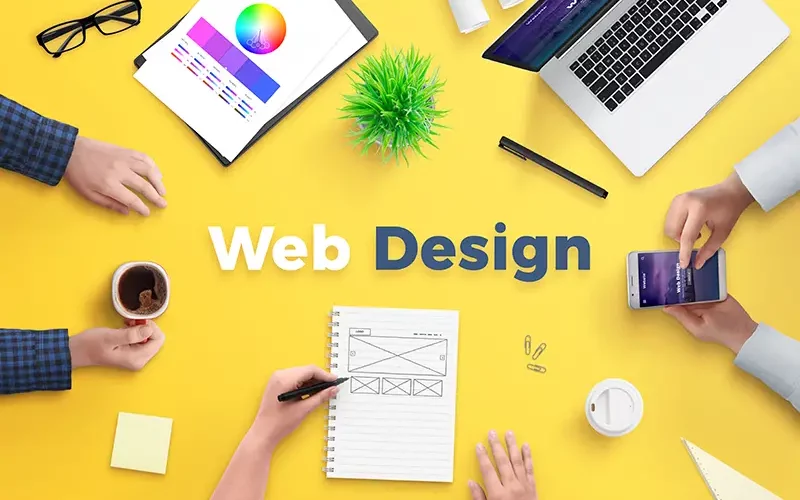
A Web Designer is responsible for crafting the visual layout, structure, and overall aesthetic of a website. Their work begins with understanding the client’s goals, brand identity, and target audience. Using this insight, they design a digital experience that reflects the brand’s message clearly and effectively.
Web designers use tools such as Figma, Adobe XD, WordPress, and other modern design platforms to bring their vision to life. Their job goes far beyond just choosing colors or fonts it’s about creating a cohesive design system that ensures smooth navigation, fast loading speeds, and mobile responsiveness.
A great web designer focuses equally on creativity and usability. The end goal is to design websites that not only look attractive but also provide visitors with a seamless browsing experience that encourages action whether that means making a purchase, subscribing, or getting in touch.
How a Web Designer Helps Shape Your Digital Identity
A web designer is not just someone who creates a beautiful webpage. They are a strategist, a creative thinker, and a problem-solver. Their goal is to design a website that reflects your style, values, and goals while giving users a smooth and enjoyable experience.
1. Crafting a Unique Visual Identity
Your website’s visual appearance is the first thing people notice. A web designer creates a look that matches your personality or brand message. This includes choosing the right colors, fonts, images, and layout that align with your business tone.
A strong visual identity helps your audience remember you. When people see the same style across your social media, website, and marketing materials, they instantly recognise your brand.
2. Designing a Clear and User-Friendly Layout
A good web designer knows how to make a website easy to navigate. They create pages that guide users smoothly from one section to another. A clean layout reduces confusion and helps visitors find what they need quickly.
User-friendly design includes simple menus, readable text, fast loading pages, and mobile-friendly layouts. These details matter because visitors leave if a website is slow or hard to understand.
3. Building Trust Through Professional Design
People trust businesses that look professional online. A web designer helps create this trust by making sure every part of your site looks polished, clean, and consistent.
Clear messaging, thoughtful design, and smooth user experience give your visitors a sense of reliability. When people trust you, they are more likely to buy from you, follow you, or connect with your services.
4. Improving User Experience (UX)
User experience design is a huge part of modern web design. A web designer studies how people behave online and designs a website that feels natural and easy to use.
This includes:
- Making the site fast and responsive
- Organizing content so it is easy to scan
- Creating buttons and links that are simple to click
- Ensuring the design works well on all devices
When the experience is smooth, visitors stay longer and explore more of your website.
5. Designing for Mobile Users
More than half of website visitors today use their phones. A web designer makes sure your site looks great on mobile devices as well as desktops.
Mobile-friendly design helps you reach more people and makes your digital identity accessible to everyone. It also improves search engine ranking and helps customers interact with your business easily.
6. Telling Your Brand Story Visually
Your website is a place to tell your story. A web designer uses colors, shapes, images, and layouts to communicate your brand message.
For example:
- A modern tech company may use clean lines and cool colors
- A bakery may use warm tones and soft images
- A personal brand may use simple layouts and friendly colors
Through design, visitors immediately understand what kind of brand you are.
Importance of Professional Web Design
Professional web design is much more than decorating a webpage it’s about creating a strategic digital environment that builds credibility and converts visitors into customers. In fact, users often decide within seconds whether to stay on a website or leave it. A clean, modern, and visually appealing design helps establish a positive first impression immediately.
A well-designed website also impacts your search engine optimization (SEO). Search engines favor sites that are structured properly, mobile-friendly, and fast-loading. A poor layout or slow website can increase bounce rates, which harms both SEO rankings and user trust. By investing in professional web design, you’re not only enhancing aesthetics but also improving performance and discoverability.
Key Skills of a Web Designer
A professional web designer brings together artistic vision and technical know-how. Their skill set enables them to build functional, beautiful, and optimized websites.
Essential skills include:
- Strong understanding of visual design principles like balance, hierarchy, and contrast.
- Technical knowledge of HTML, CSS, and responsive frameworks.
- Proficiency in tools such as Figma, Adobe XD, and Photoshop.
- Expertise in UX (User Experience) and UI (User Interface) design.
- Familiarity with SEO-friendly structure and content layout.
These skills ensure that the website not only looks professional but also performs well across all devices and screen sizes.
The Role of UX and UI in Web Design
User Experience (UX) and User Interface (UI) are at the heart of modern web design. UX design focuses on how a visitor interacts with the site ensuring it’s intuitive, simple, and enjoyable. UI design, meanwhile, handles how the website looks and feels from color palettes and typography to buttons and icons.
When UX and UI work together, they create a balanced experience that feels natural and engaging. A professional web designer ensures visitors can easily find what they’re looking for, reducing frustration and keeping them interested. This harmony directly impacts engagement, conversions, and overall satisfaction.
Benefits of Hiring a Professional Web Designer
Hiring a professional web designer offers numerous advantages that extend beyond aesthetics. A professionally designed website is an investment that enhances your digital strategy and supports your long-term growth.
Here are some major benefits:
- High-quality design: Your website will meet modern design and accessibility standards.
- Better performance: Faster loading times and seamless functionality across devices.
- SEO optimization: Clean code and structured layouts that improve visibility on Google.
- Increased trust and credibility: A polished design signals professionalism.
- Higher conversions: A user-friendly layout encourages visitors to take desired actions.
In short, a professional web designer ensures your website works as a powerful marketing and branding tool — one that drives traffic and delivers results.
Customization and Branding
Every business has a unique story, and your website should reflect that individuality. A professional web designer tailors each element — from layout and color palette to typography and imagery to match your brand’s voice and personality.
This customized approach not only sets you apart from competitors but also creates a consistent and memorable brand experience. A cohesive design across your website, social media, and marketing materials reinforces your identity and helps customers recognize and trust your brand instantly.
Web Designer vs. Website Builder
With the rise of DIY platforms like Wix or Squarespace, many people turn to website builders for quick results. While these tools are convenient, they often lack the flexibility and uniqueness that a professional design offers.
Website builders rely on generic templates, limiting customization and creativity. In contrast, a professional web designer creates a tailor-made solution aligned with your goals, audience, and long-term business strategy.
Custom-designed websites typically perform better in SEO, load faster, and provide stronger branding opportunities. They can also scale easily as your business grows something most template-based builders struggle with.
Future of Web Design
The field of web design is evolving rapidly with emerging technologies and design trends. Features like AI integration, dark mode, 3D elements, and interactive experiences are shaping how users engage with websites. Designers are increasingly focused on creating personalized, accessible, and immersive experiences that captivate audiences.
As users expect faster and more intelligent digital interactions, the role of a web designer becomes even more crucial. Staying updated with design innovations ensures that your website remains relevant, appealing, and competitive in a constantly changing digital landscape.
Conclusion
A Web Designer is not just someone who builds web pages they are the architects of your online identity. Their creativity and technical expertise help businesses create websites that inspire trust, enhance user engagement, and strengthen brand presence.
By investing in professional web design, you secure a long-term digital asset that works for your business around the clock. Whether you’re launching a startup, running an established company, or growing a personal brand, a well-designed website is the foundation of success in the digital world. In an age where first impressions happen online, make sure yours is unforgettable.